Sea Kayaking Articles from P&H Staff, Team Paddlers, and Friends

Category: Reviews Page 1 of 2

A Perfect Weekend with the Volan 158

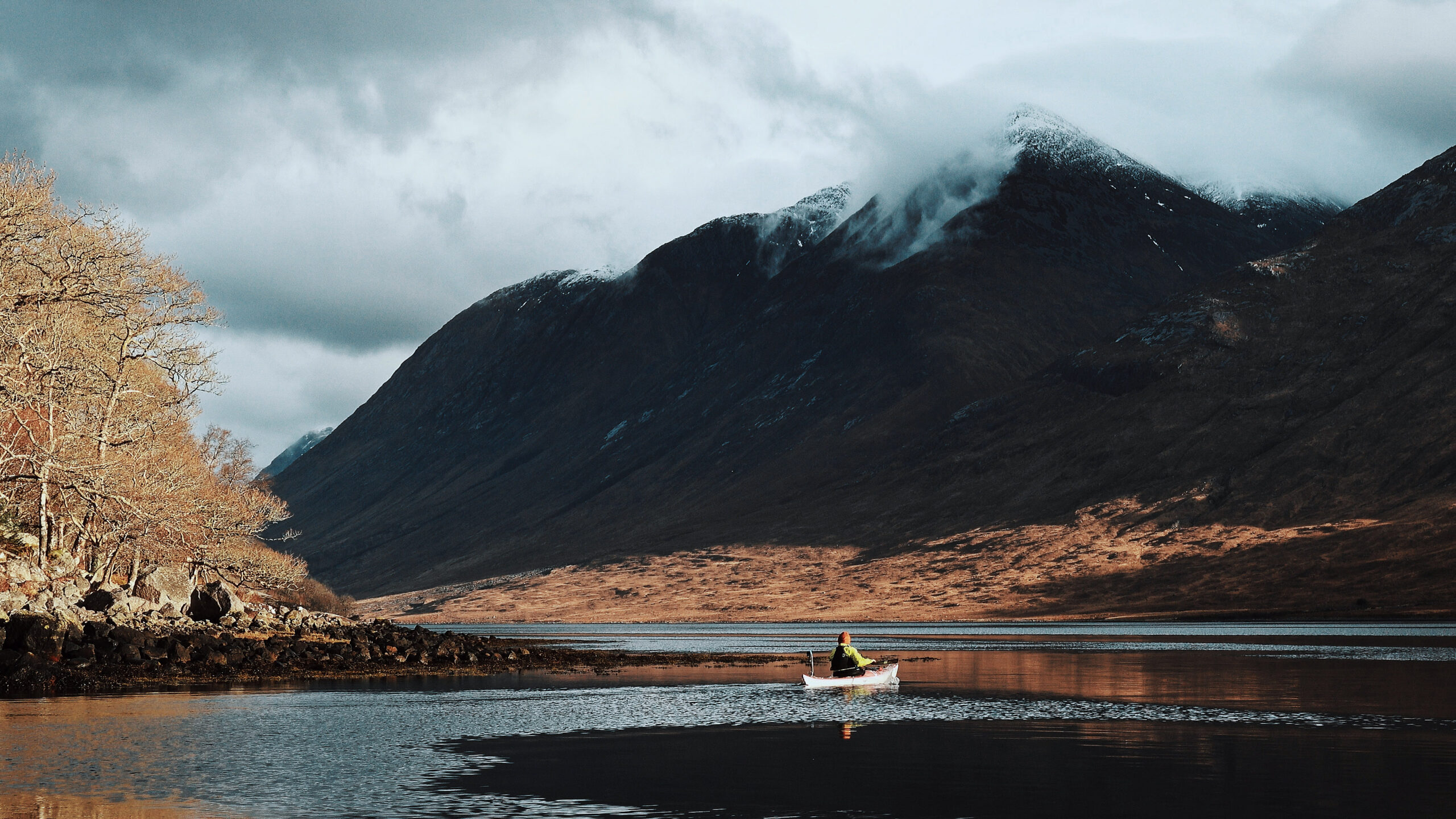
Paddling on the upper reaches of Loch Etive in Scotland

“The Volan is ready for you to collect tomorrow,” said the email, as I sat in my hotel room, on my way up north for a few weeks of wintery weather and paddling in Scotland. “and it’s a lightweight layup, only 19.9kg!” Good lord, this was going to be a treat.

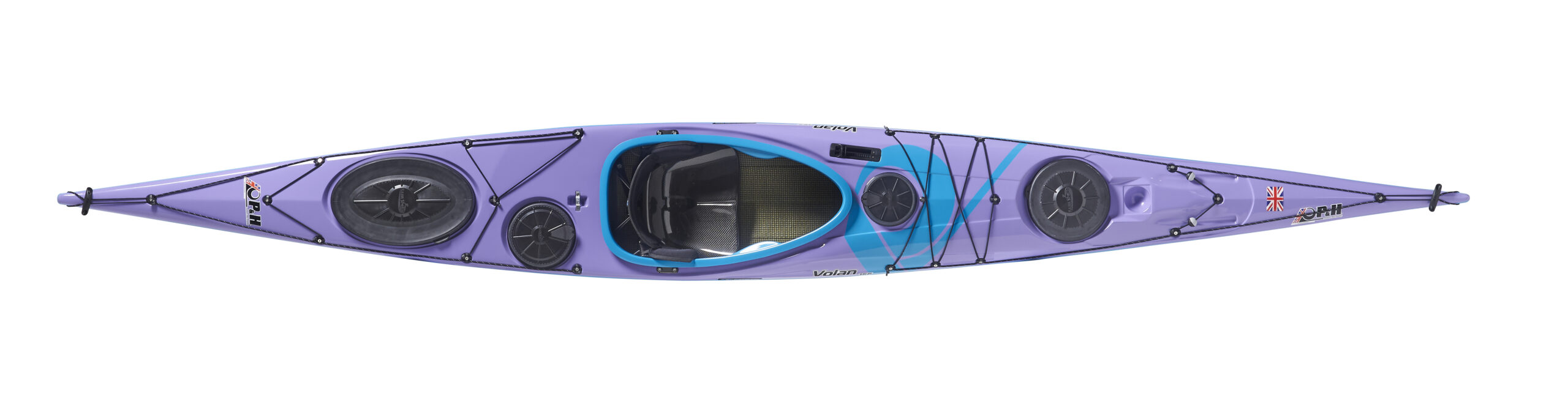
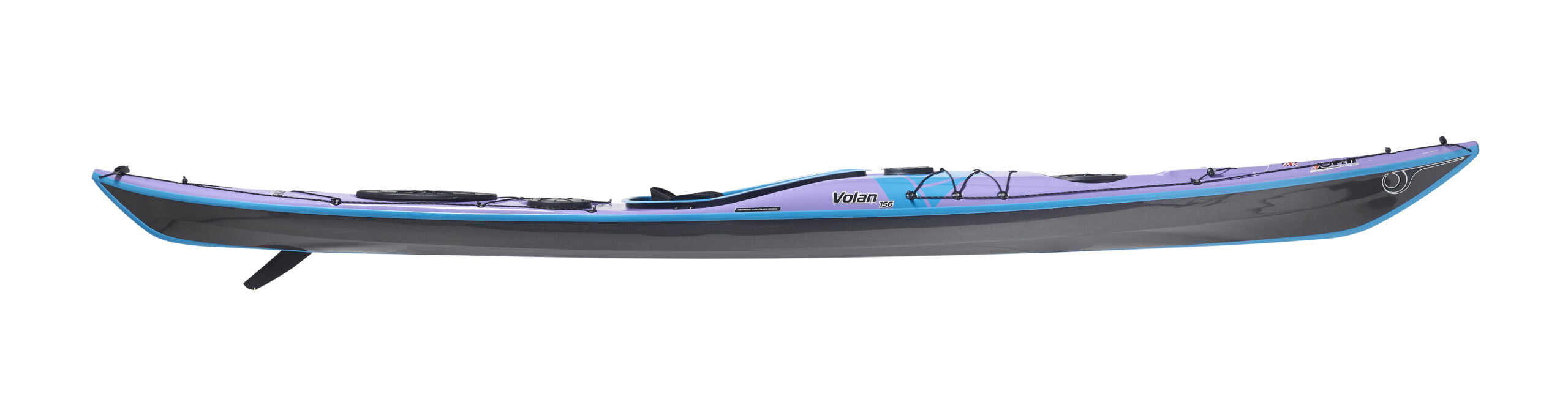
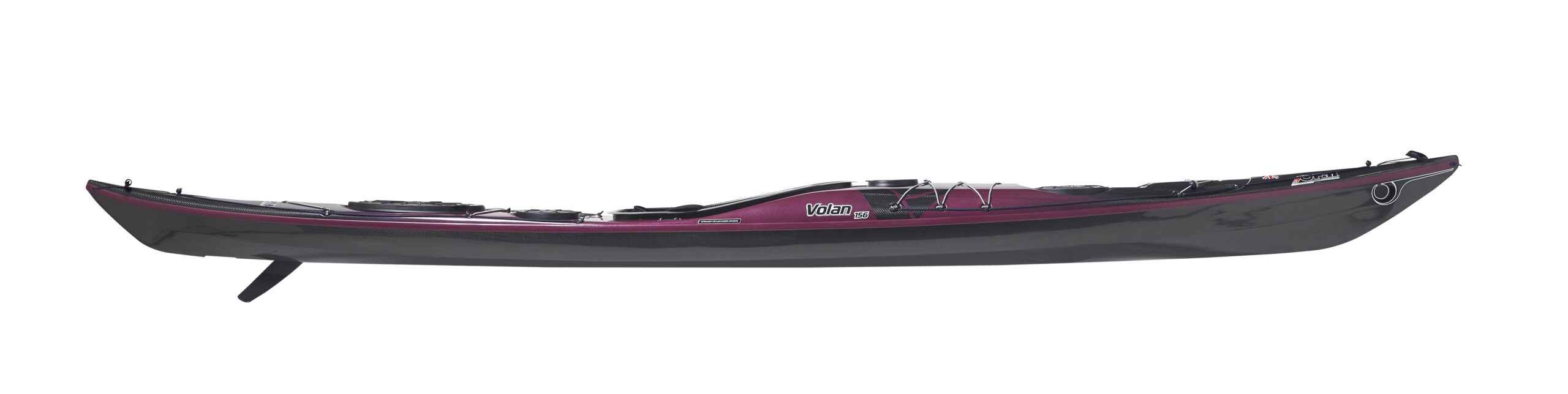
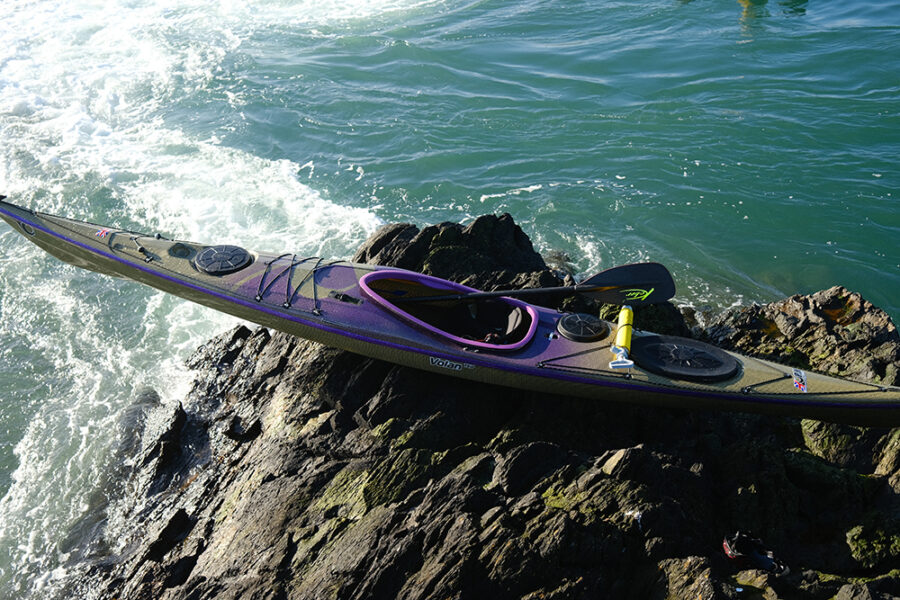
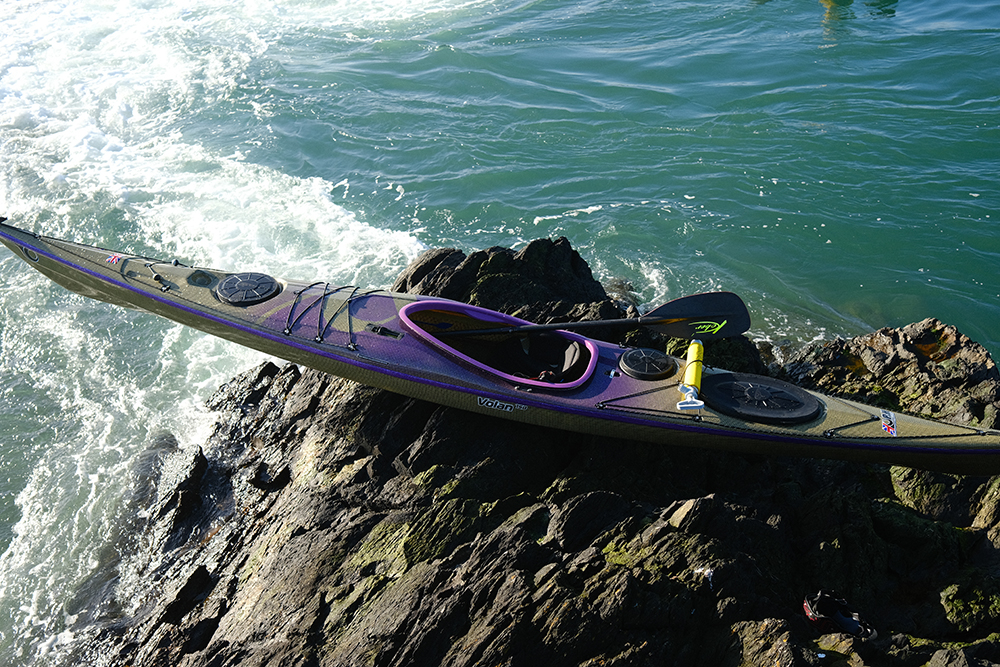
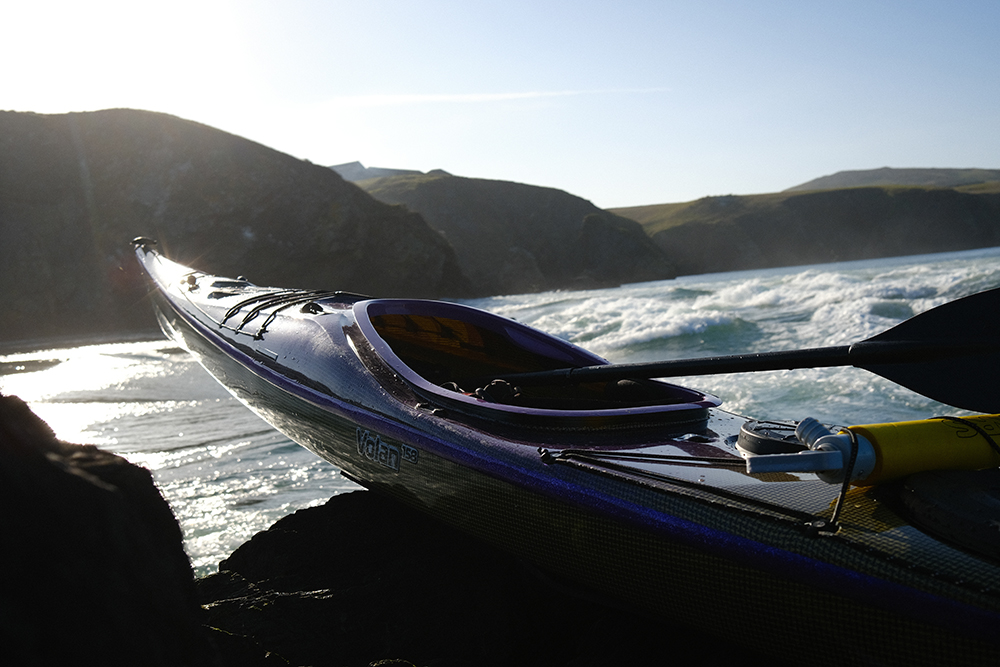
The excitement built until I arrived at Go Kayaking and saw it. Because, frankly, it was made in a colour scheme for people who don’t like colours. Or perhaps, being a demo boat, they’d simply been picked to deter theft. I’m going for the latter, its palette an utterly charmless combination of Polychromatic Pink (not actually that bad on its own), Light Violet (ewww) and Light Grey (ugh) that made me grimace. I was planning on shooting a film with it, and these deeply uncool pastels were already wrecking my cinematic vision. And then I picked it up, and in that single moment, all her aesthetic sins were forgiven, because my god, she’s light. So light. Sling-over-your-shoulder-and-strut-down-to-the-shoreline without a care in the world, light. Hell yeah, it was adventure time.
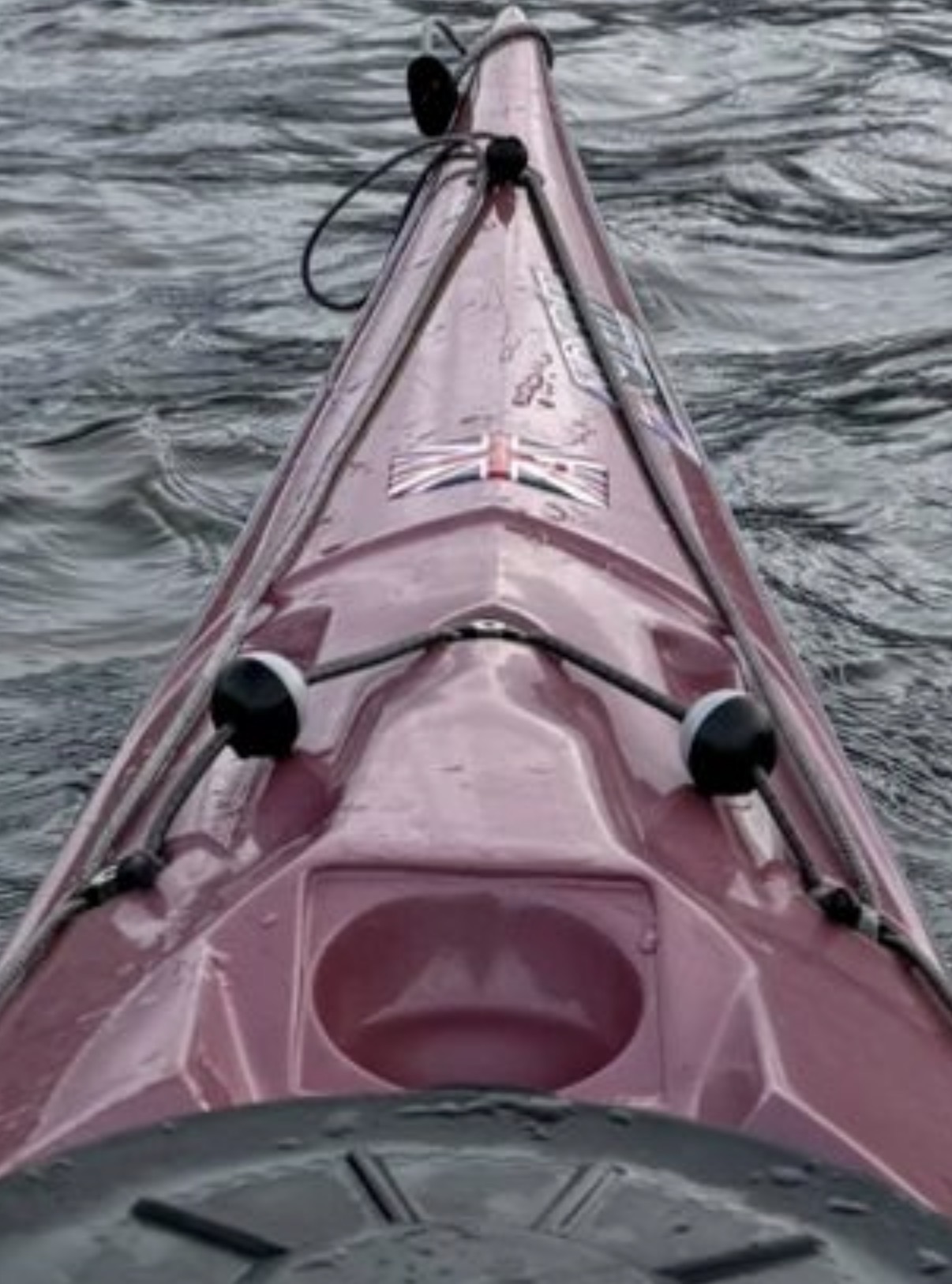
When your kayak is just as excited as you about your trip. Now you can’t unsee this.

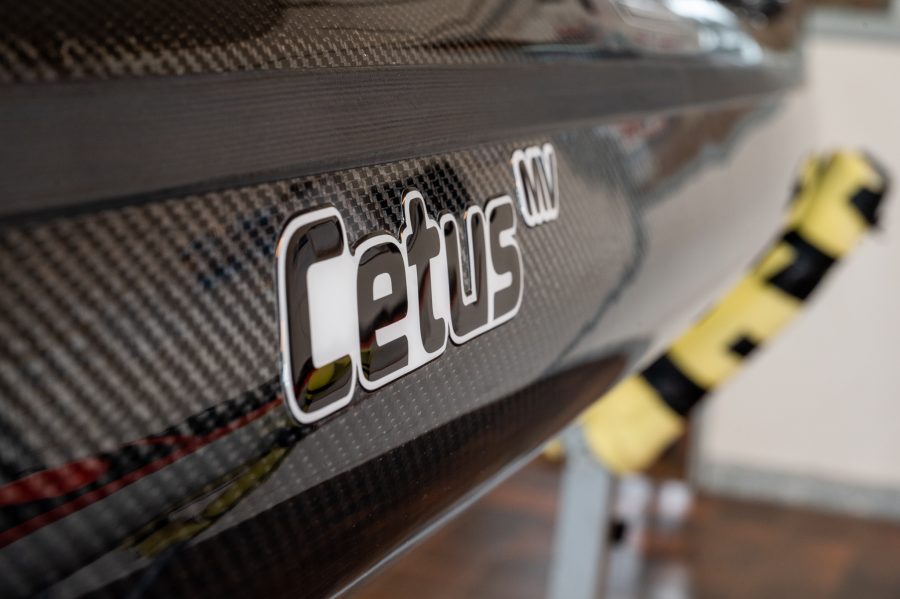
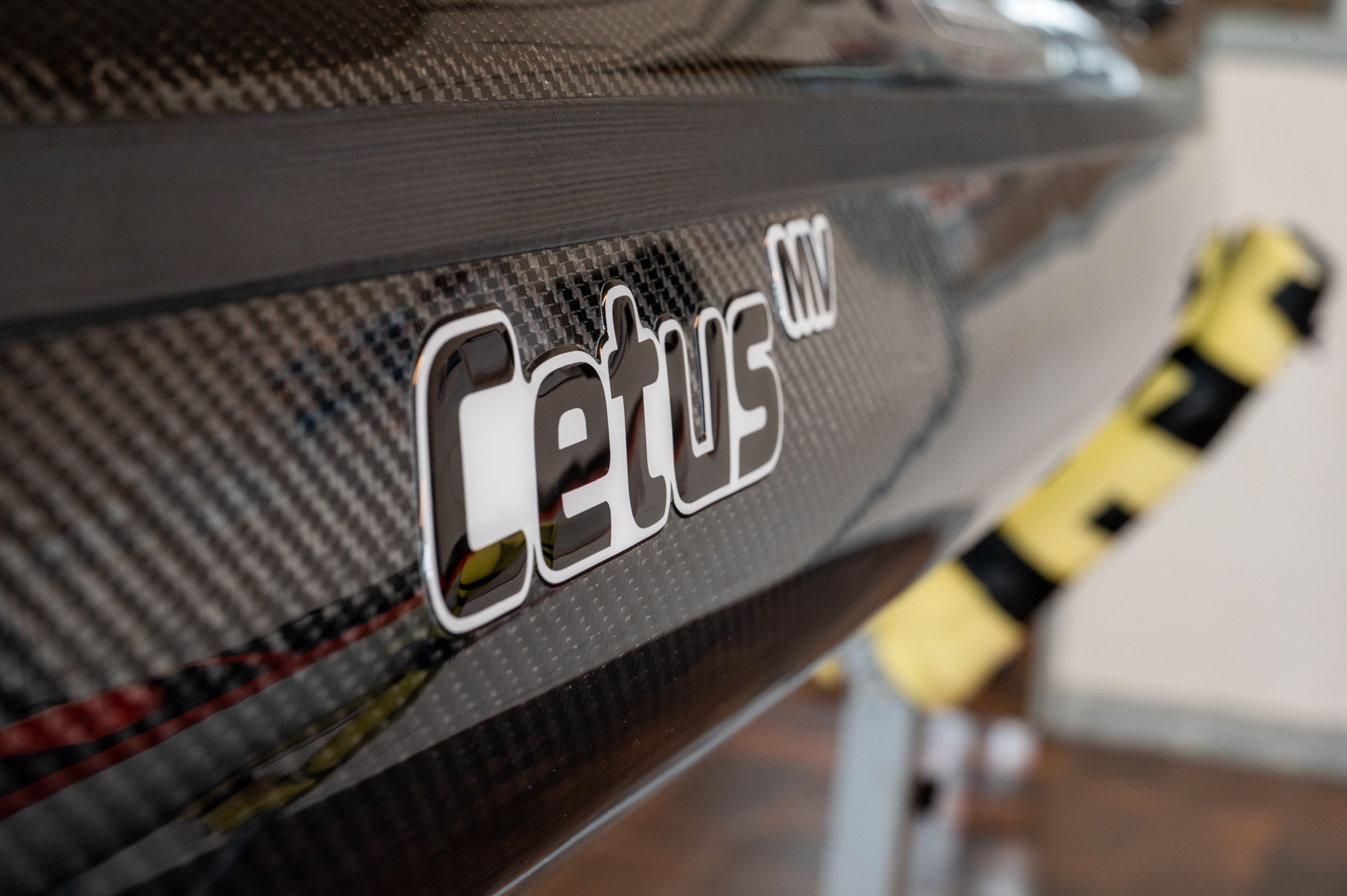
While I’m occasionally dragged into rough stuff by my friends, I am far more of an explorer kayaker, preferring long days on the water, gear stashed in hatches while investigating interesting shorelines before pitching my tent and watching the sun dip on the horizon. My main boat is a custom Cetus MV that I’ve had for several years and absolutely love, but it’s a lot of boat to haul around for shorter, less demanding trips, which is why I was particularly keen to try the Volan. Certainly, on paper, it’s a boat that ticks a lot of boxes. I loaded her up and headed for Loch Etive in Scotland, a large and stunningly beautiful sea loch (fjord to those of you on other chunks of rock around the world) on the west coast. It’s a place well known to paddlers for the considerable tidal rapids near where it meets the sea, but it’s the upper reaches that I love, wild and serene as they are.

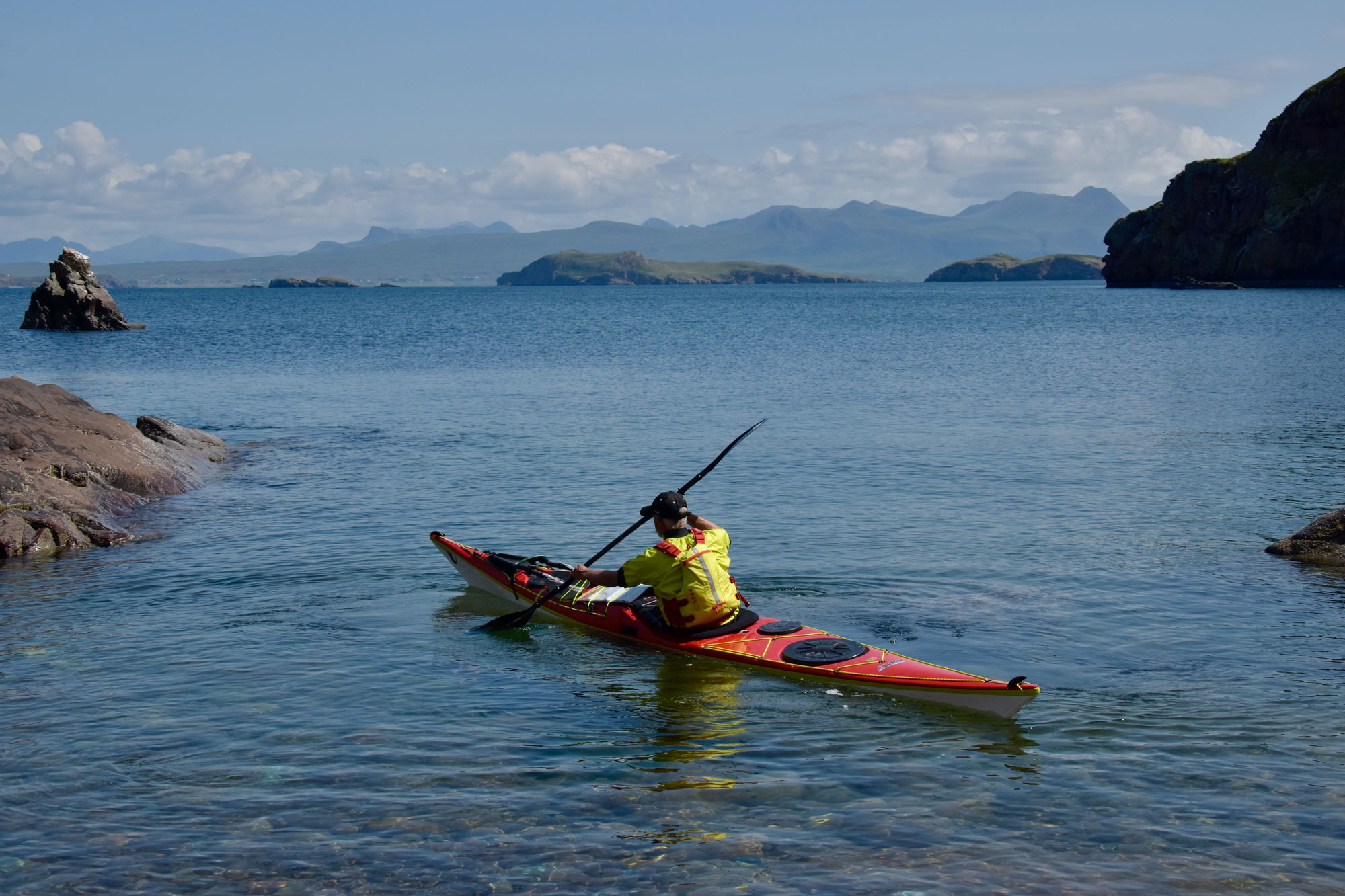
Being used to my Cetus and her smooth chines, however, the Volan did take a bit of getting used to. Within 30 seconds of me paddling out onto the water, I almost capsized when I edged the boat, and the unexpected sensation of it immediately rolling and catching onto its hard chine took me by surprise. She’s a lively little thing, keen to engage and quick to accelerate. She’s like the Cetus’ punky little sister and I felt myself falling in love pretty quickly.
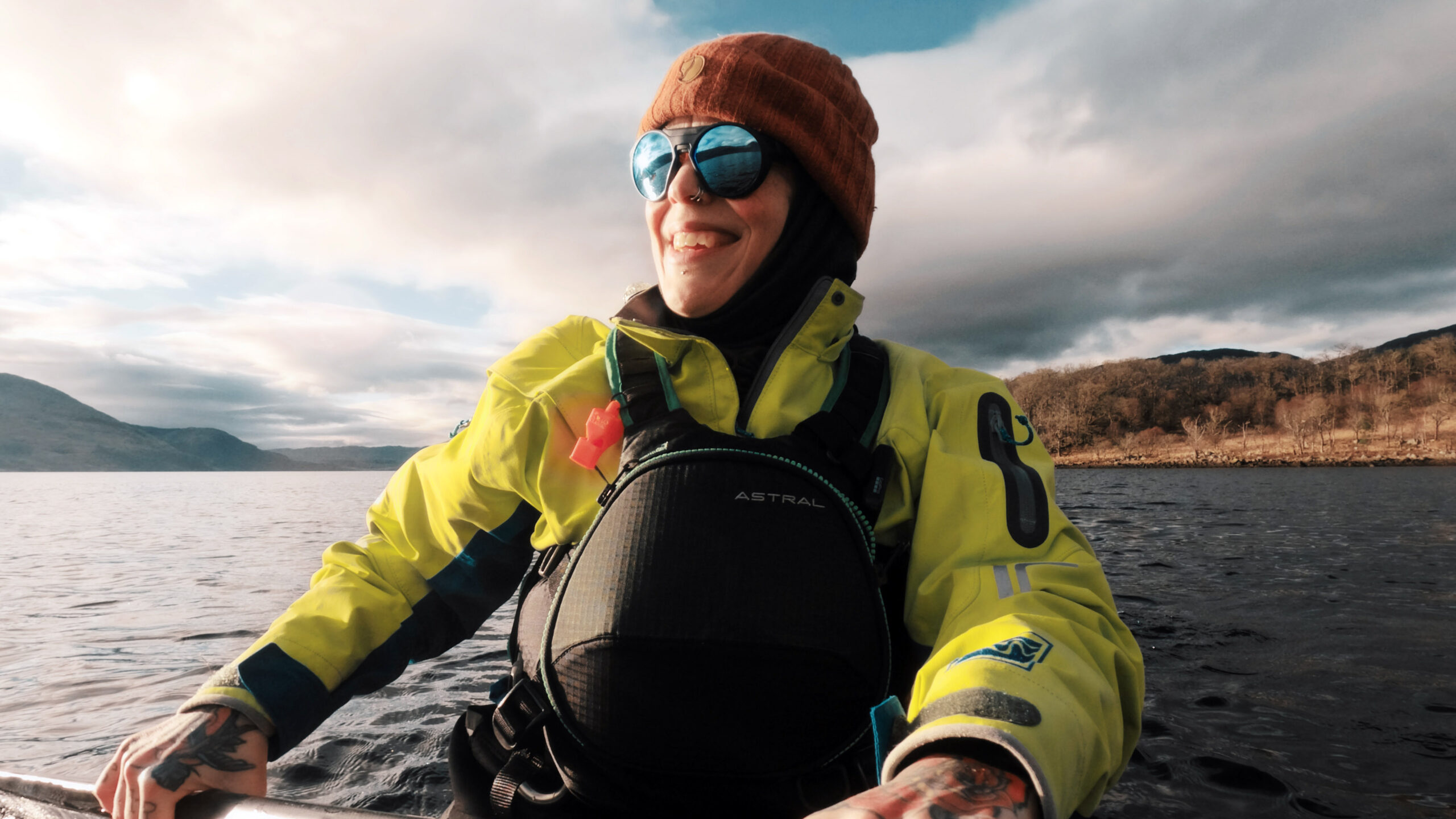
Just look at that! This kayak will flip your happy switch!

At 5’5″ and 155lb (minus the Christmas weight), the 158 feels like it was tailor made for me. Being of a sort of “in-between” stature, I’ve learned over the years to paddle boats that have always been ever so slightly too big for me, with thigh pads that tend to sit on my knees instead, and beams that have often felt too wide for me to easily hold on edge. I think a lot of women have this issue with kayak sizing, where we’re on the cusp or a little too big for the small-volume boats, but a little too small for the mediums. As such, sitting in the Volan, I felt connected to it in a way that’s unusual for me; the immediate feedback I’d get from it was so refreshing and engaging to paddle with. The Volan is fun.
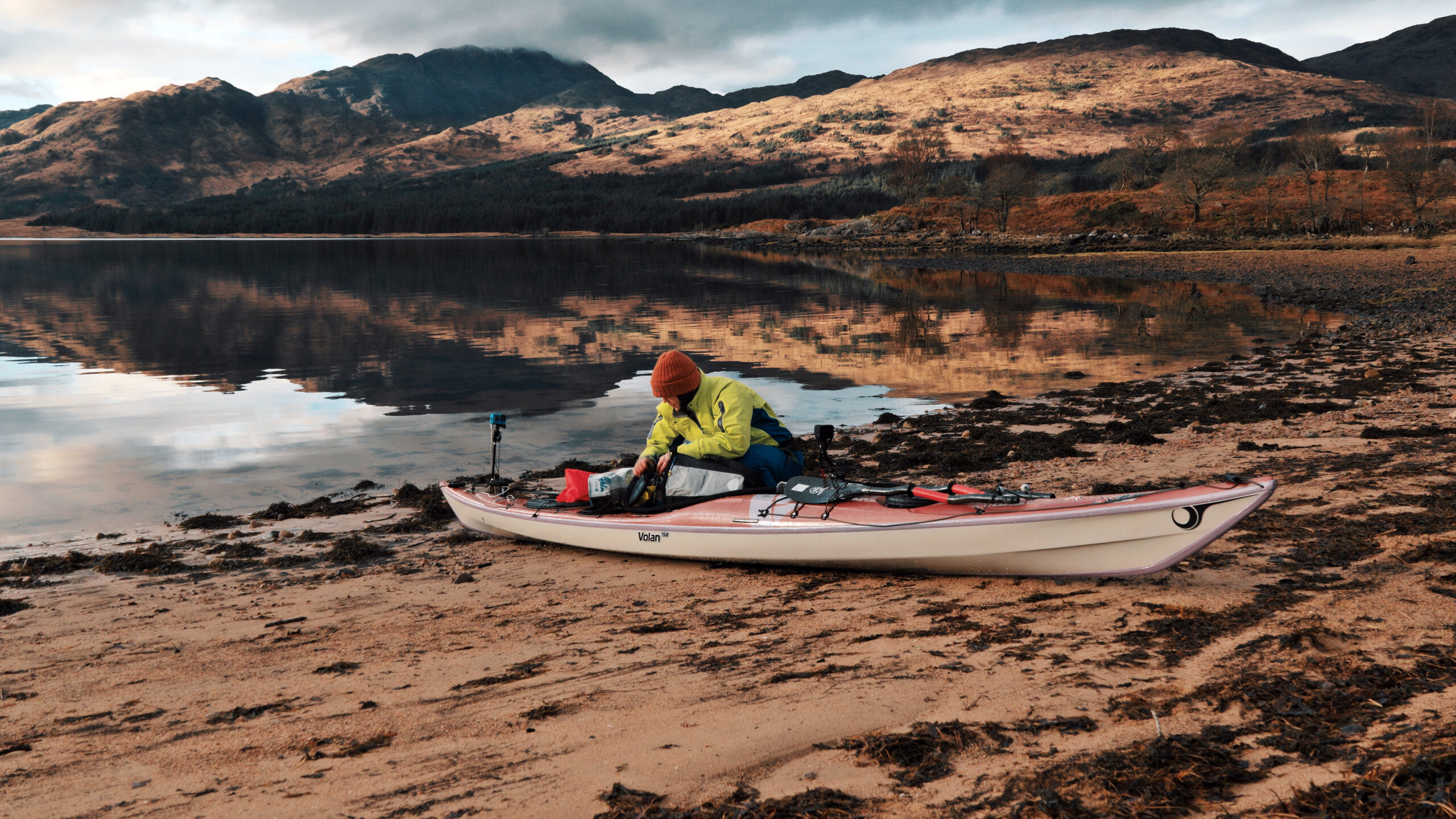
The Volan has plenty of room to store your gear for a few days

I was heading out on a two-night trip up the loch, and while this kayak looks and feels quite small, I had no trouble packing all my camping and photography gear into it, and much like the Cetus, the Volan’s stability increases with load, creating a very smooth, confidence-inspiring platform to paddle in, even when the wind picks up. This is particularly important for someone like myself, who does a lot of filming from my kayak.

On my first afternoon heading up the loch, the wind did pick up quite noticeably, creating some small chop that the Volan, with her fairly considerable bow rocker, just rode over. I noticed some slight leecocking in the quartering wind at that point, but a bit of skeg solved that (this may have been exacerbated by a slightly unevenly packed boat). I also found myself deploying the skeg at times when I wanted to drift forward with momentum while filming; otherwise, she had a tendency to start veering slightly to the side. On that note, I particularly like the placement of the skeg slider on the top of the deck, as its position on the side of my Cetus usually involves at least one or two expletive-laden encounters with my thumb on trips.
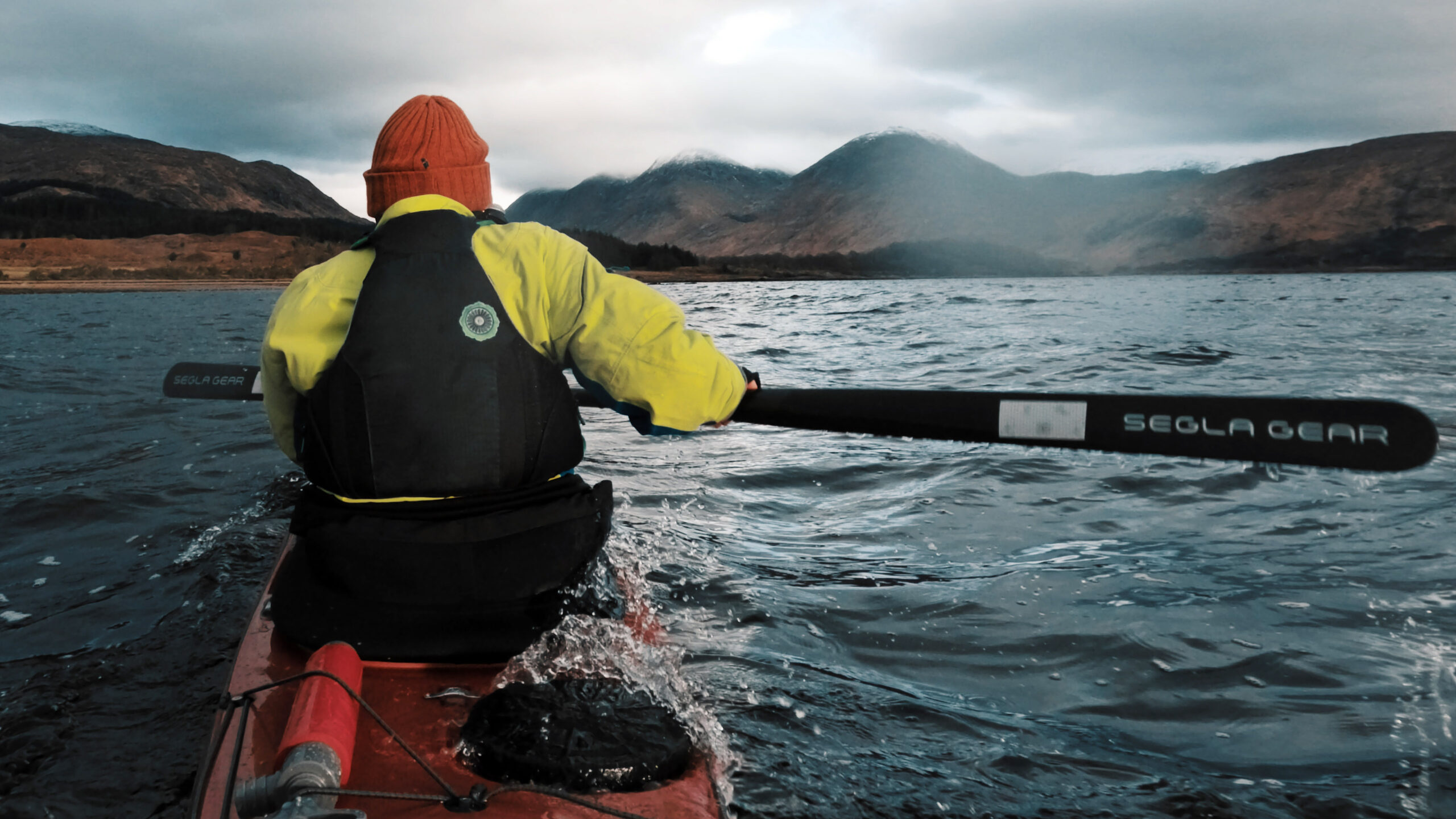
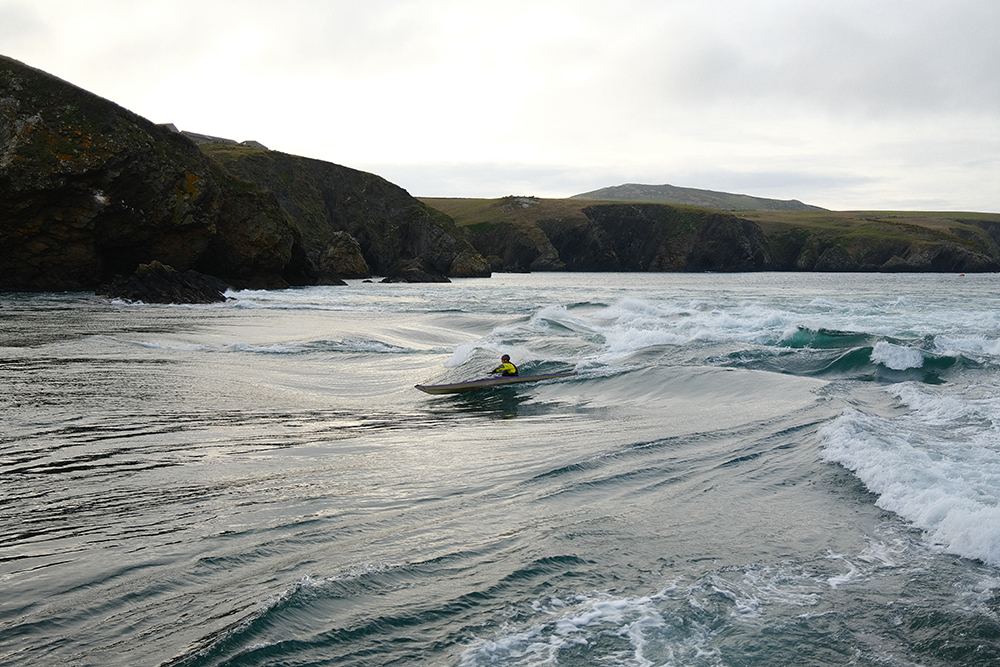
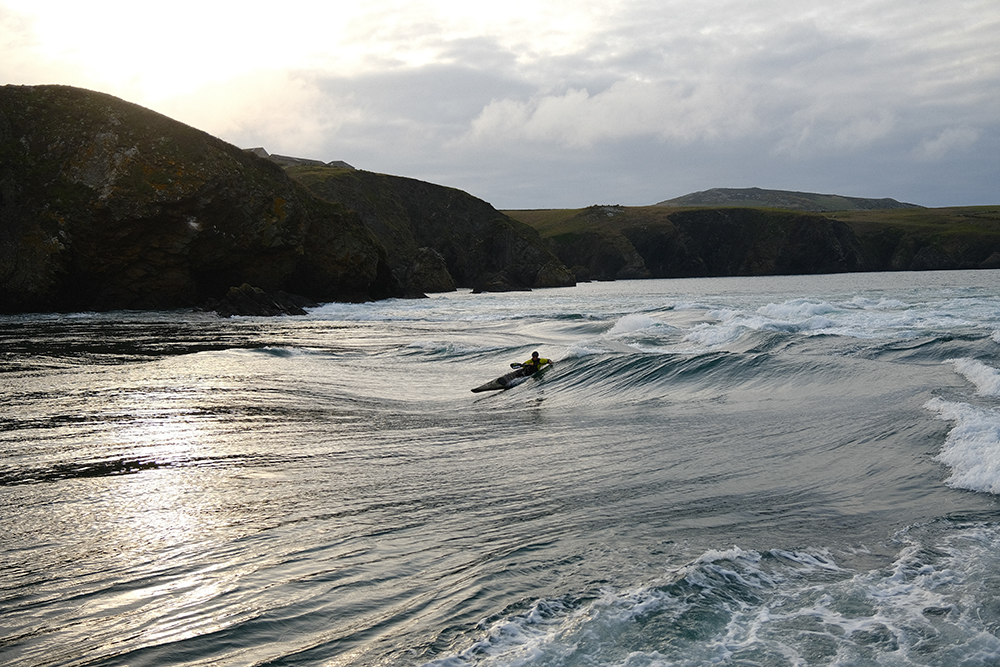
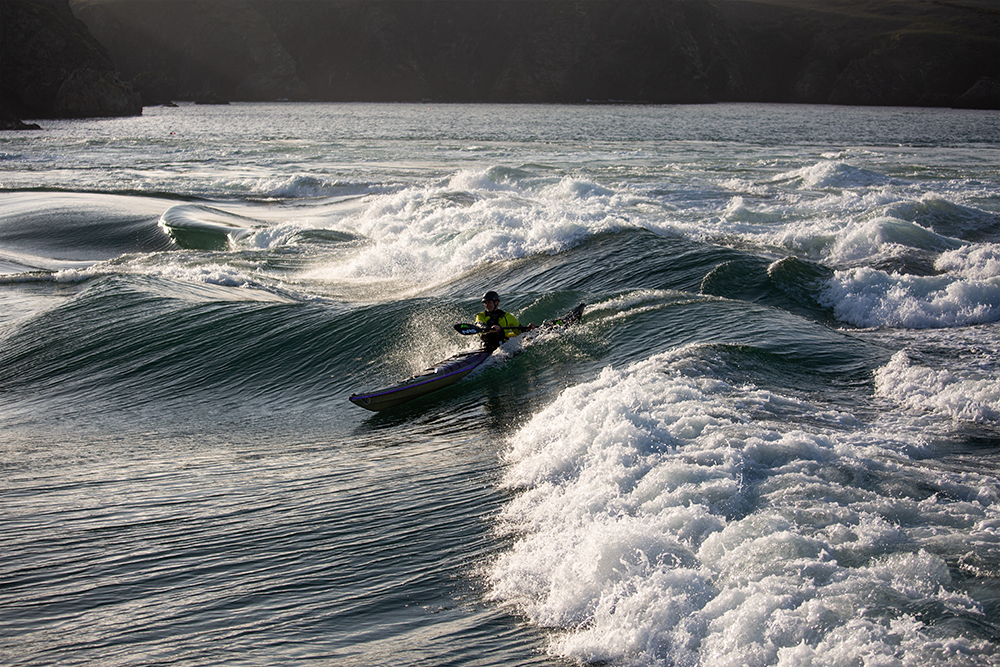
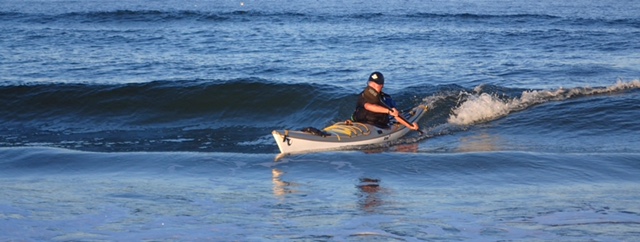
The Volan really comes alive when there’s some movement on the water

Being a relatively short sea kayak, the Volan is incredibly manoeuvrable, somewhat reminiscent of the Virgo and Leo in that respect, although the long, hard chines and increased rocker of the boat give her a feel entirely of her own, as the bow and stern release from the water very quickly when you put her on edge, freeing the boat to turn very rapidly. As someone who uses a Greenland paddle, I particularly like the way the hard rails on her hull allow me to carve into turns while leaning on my blade, which is something that soft-chined boats are less responsive to. It’s a very intuitive way of paddling and moving around the water that I really love.
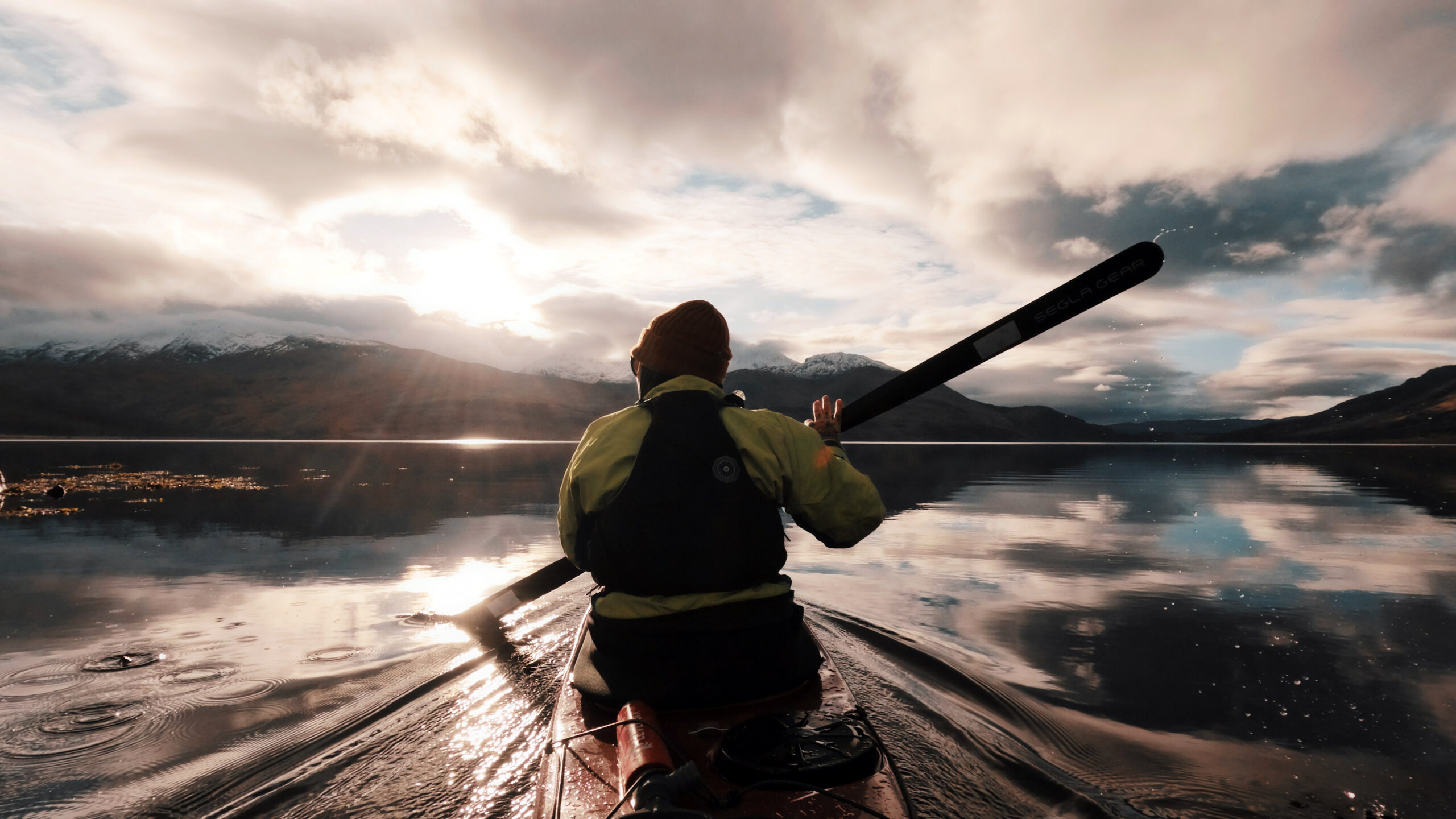
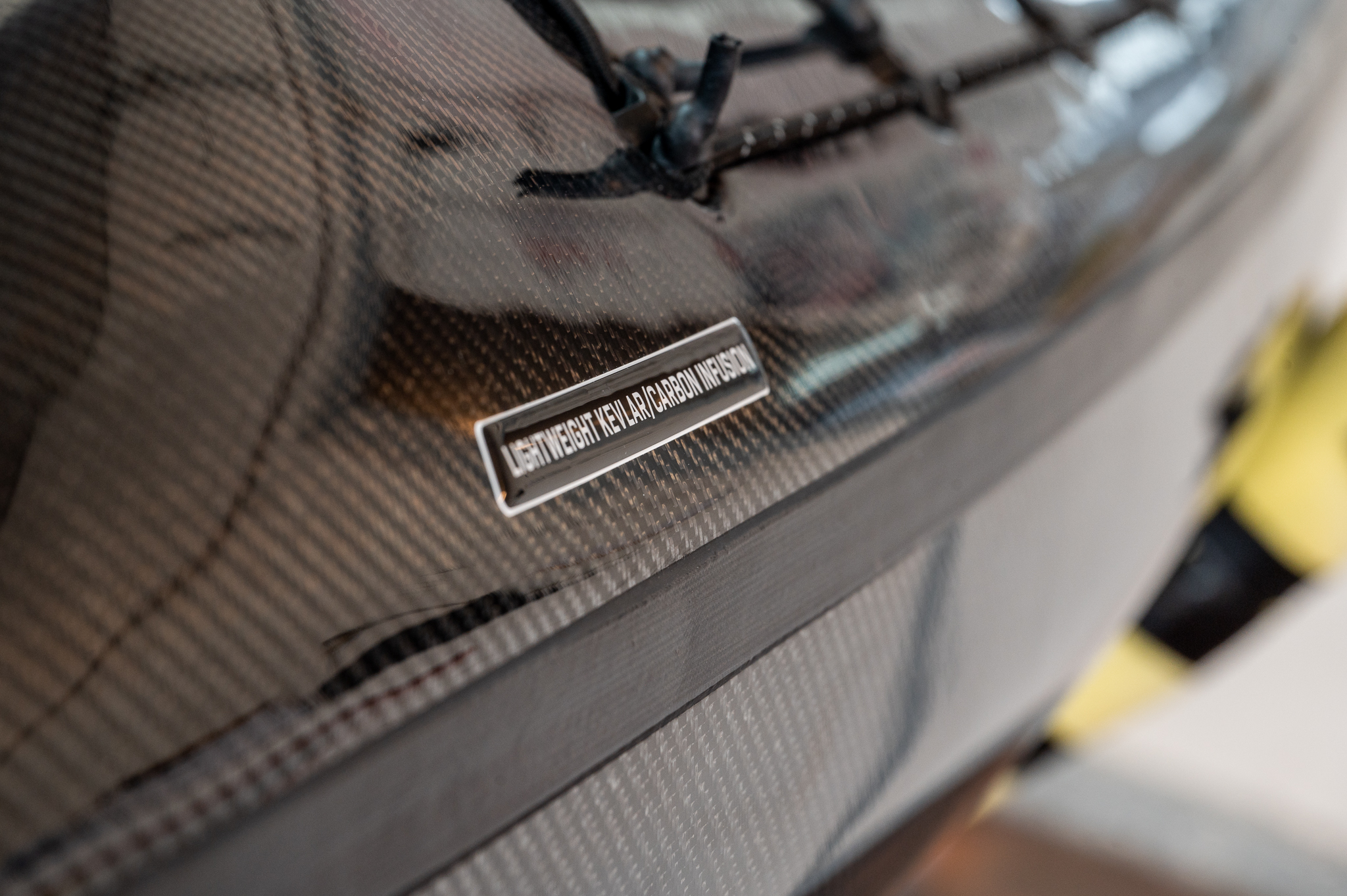
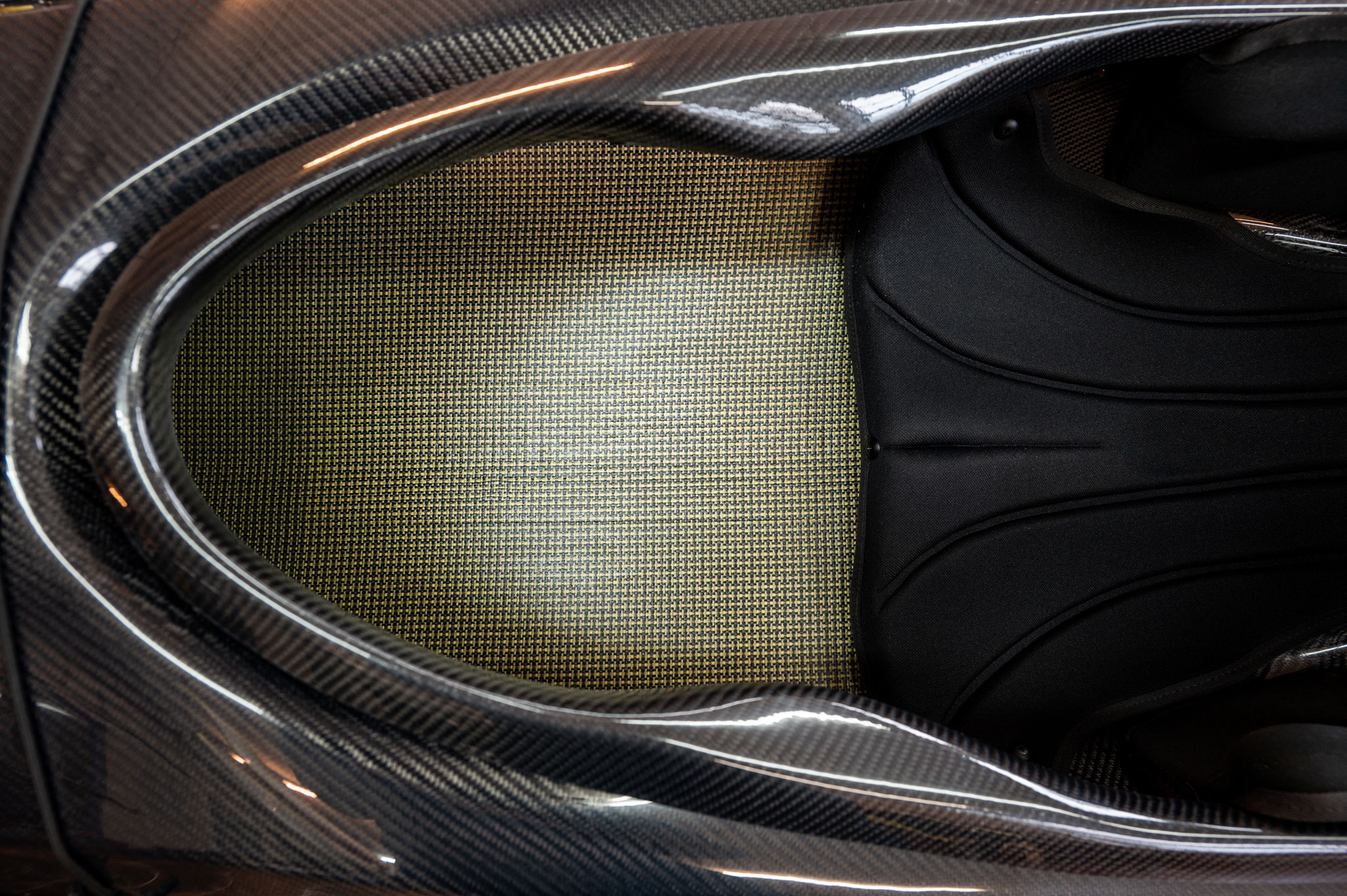
The Lightweight Kevlar/Carbon Infusion layup means the boat isn’t just incredibly light, but also exceptionally stiff, and you really do feel that difference in performance on the water, every iota of effort you move through your body passing directly into the hull, too. It’s an absolute joy to paddle, and I measured a max speed of around 4.5kt/hr in her, which isn’t really significantly less than my Cetus, which, with effort, I can generally get to around 5kt/hr. For days when you’re paddling less than 15 miles or so, you’re really not going to notice an appreciable difference between a boat like this and a longer one.

Over the course of the weekend, I paddled the Volan in conditions varying from absolutely flat calm to gusts of around F4, both fully laden and only lightly packed, and found it a superb ride.

After several days of absolutely blissful paddling and camping on the loch, I was starting my journey back down to my launch point, when, around half a mile out on the open water with the freezing wind gusting in my face, I realised, to my horror, that the familiar feeling of my photography gear bag that sits with me in my cockpit was absent. The sense of dread deepening, I slowly turned around to find it perched on the top of my stern hatch cover, where I’d placed it before getting into the kayak. Somehow, miraculously, it had remained there, despite not being attached to anything, in the windy chop and the wake of my friend’s rib boat that I’d been playing in. As I pulled off my spraydeck and turned awkwardly in the kayak as I pitched up and down in the rolling water, I reached out and managed to grab the bag in a panic, pulling it down and stashing it between my feet. I suspect this may have ended badly in a less stable kayak, so I can only thank the Volan and her forgiving hull for that one. Crisis averted!
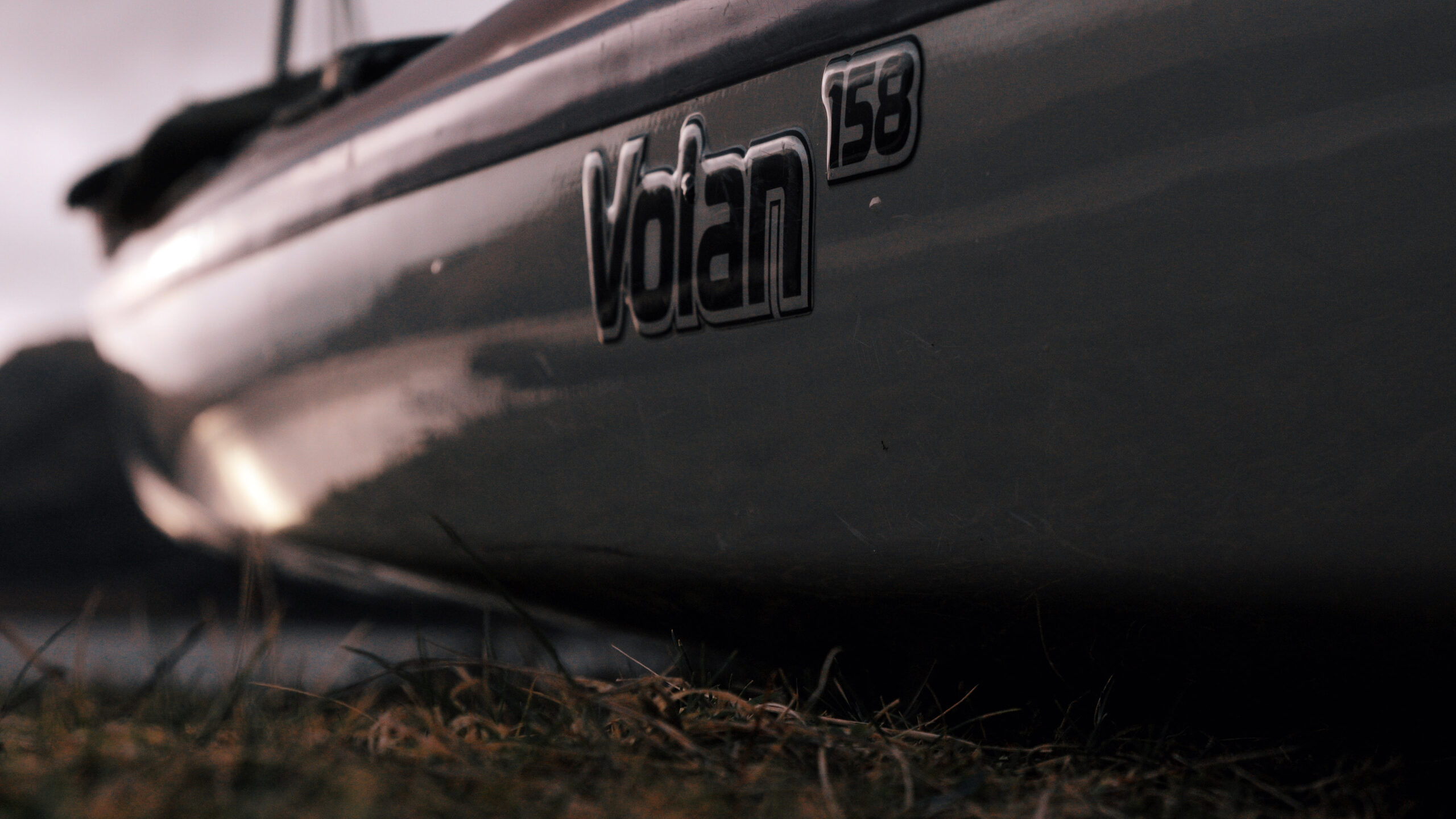
Perhaps the terrible colour scheme was actually a nod to the colours of sunset?

While there are many kayaks on the market claiming such, the Volan truly is an all-rounder, covering miles with ease, while her playful lines respond quickly to paddler input and varying sea states. I imagine she’d be a fantastic kayak for rough-water play, and hope to try her out in those conditions at some point soon.

Her exceptionally light weight made things so easy for handling both on and off the water, and the standard P&H outfitting is predictably comfortable for a long day of exploring, with plenty of space to stretch my legs and flex my feet when needed. While the Cetus would still be my choice for longer trips like week-long island circumnavigations or trips involving significant open crossings, it would be hard to beat the Volan for day trips and shorter multi-day journeys.

As I loaded her back onto my car for the journey home, that weird pink colour glinting in the afternoon sun, I realised that what they say is true: personality matters more than looks, and I’d certainly fallen for this kayak. Although I would definitely get one in a radically different colour.

You can watch my film of the weekend below.
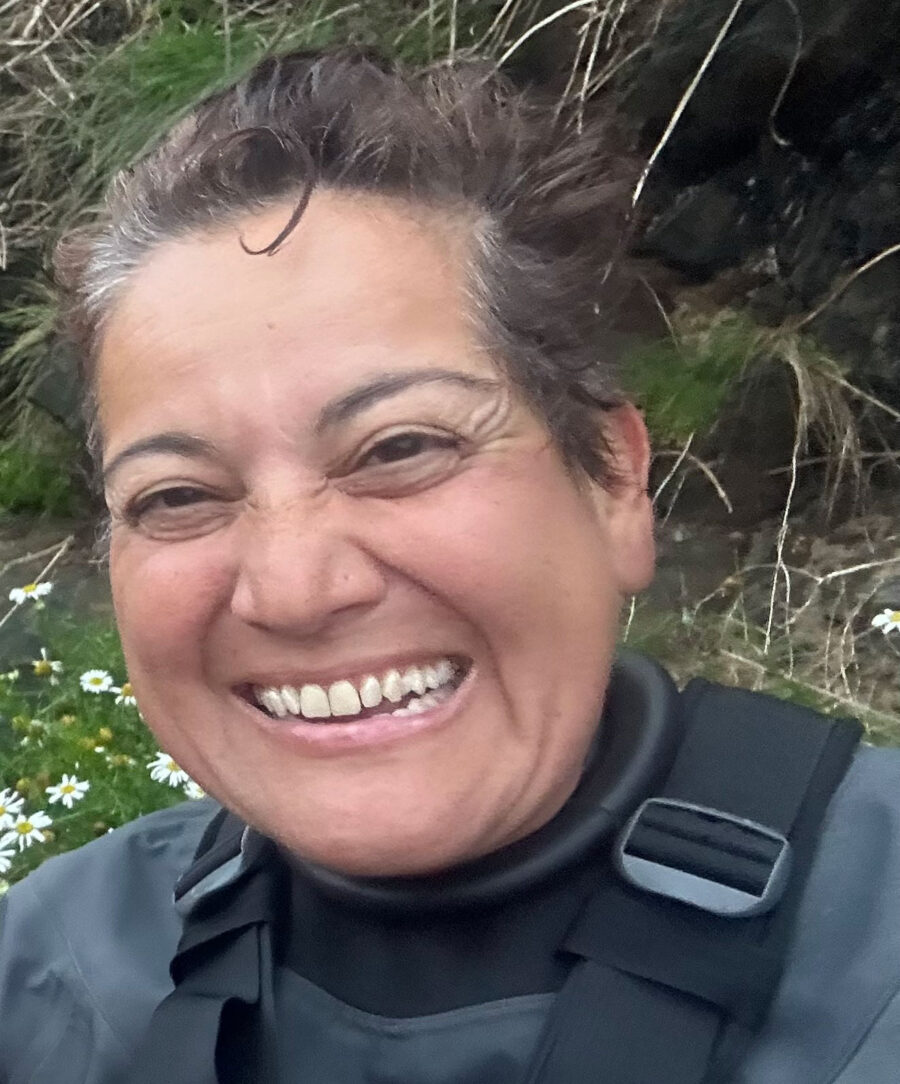
Beklen finds her Cinderella boat…

It was a joy to paddle the new Volan 156, which turned out to be my personal “Cinderella” boat in terms of size and comfort.
I am quite short at 1.50 m, and weigh only 65 kg, both of which make it a challenge for me to find the center of gravity in a new-to-me boat.

A Volan 156 in our Lightweight layup

My previous experiences with other P&H models were that the cockpit depth was usually too high for me to be able to reach above and power my strokes, and I often struggled to reach the footpegs. In strong winds, the higher bow profile of some models would also make it difficult for me to control the rest of the boat in front of me.

In contrast, the new Volan 156 was just the perfect fit and extremely comfortable. The carbon seat was cushy, easy to get in and out of, and required almost no backrest adjustments, and it was easy to roll and keep contact with the boat.

This Volan 156 in our Ultralight layup weighs just 15kg!

The skeg was also easier and fast to operate without pressure (my finger did not get caught for a change), and the foot pegs were solid, both absorbing and responding fast to the pressure I applied.

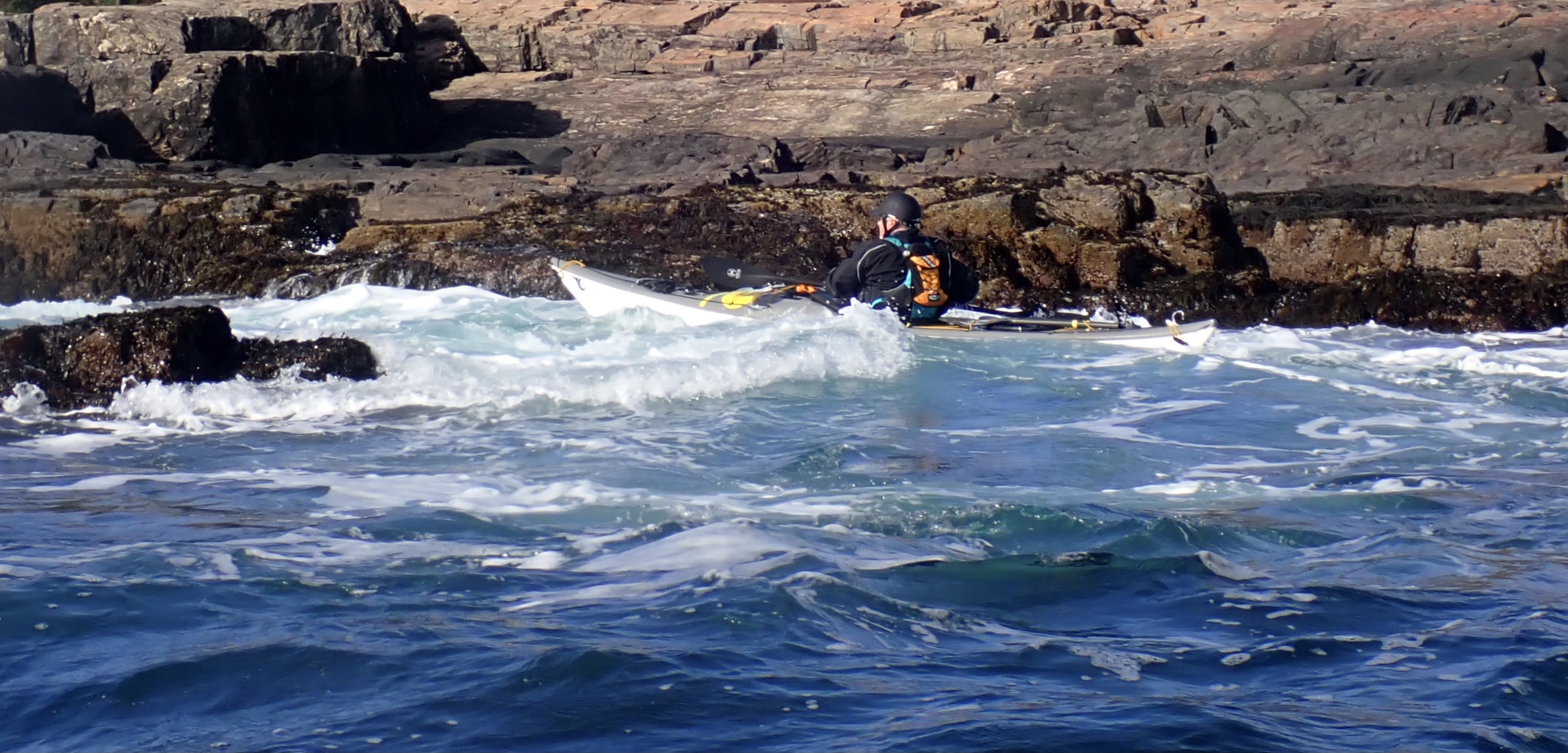
The sweet surprises came with the surf and tide races: low depth and short length towards the stern created very playful moments; my kayak did not catch in the back for the first time in my life!

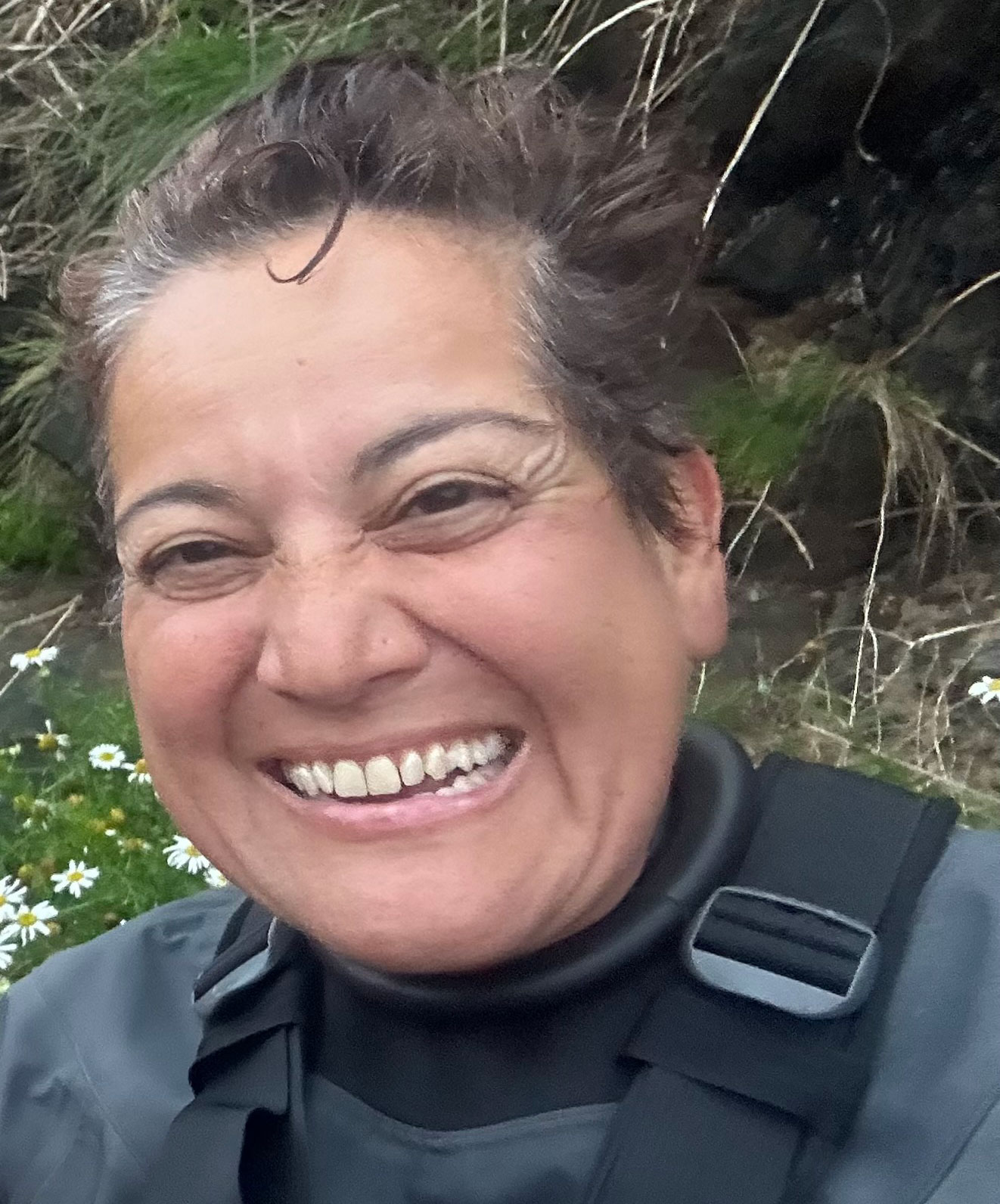
The face says it all…

Despite the overall short length of the boat, I was also able to keep up with the speed of the group and the challenges the Pembrokeshire environment brought.

Thanks to John Carmody for letting me experience the boat; I had previously hesitated to travel where it was questionable for me to find a sea kayak that would fit my size, and the Volan 156 was a pleasant surprise.

Sweet Jasmine of the Seas: A P&H Virgo LV

Paddler Age, Height, and Weight: 49 years old, 167 cm, 57 kg

Boat colour and name: Lizard Green, Sweet Jasmine of the Seas

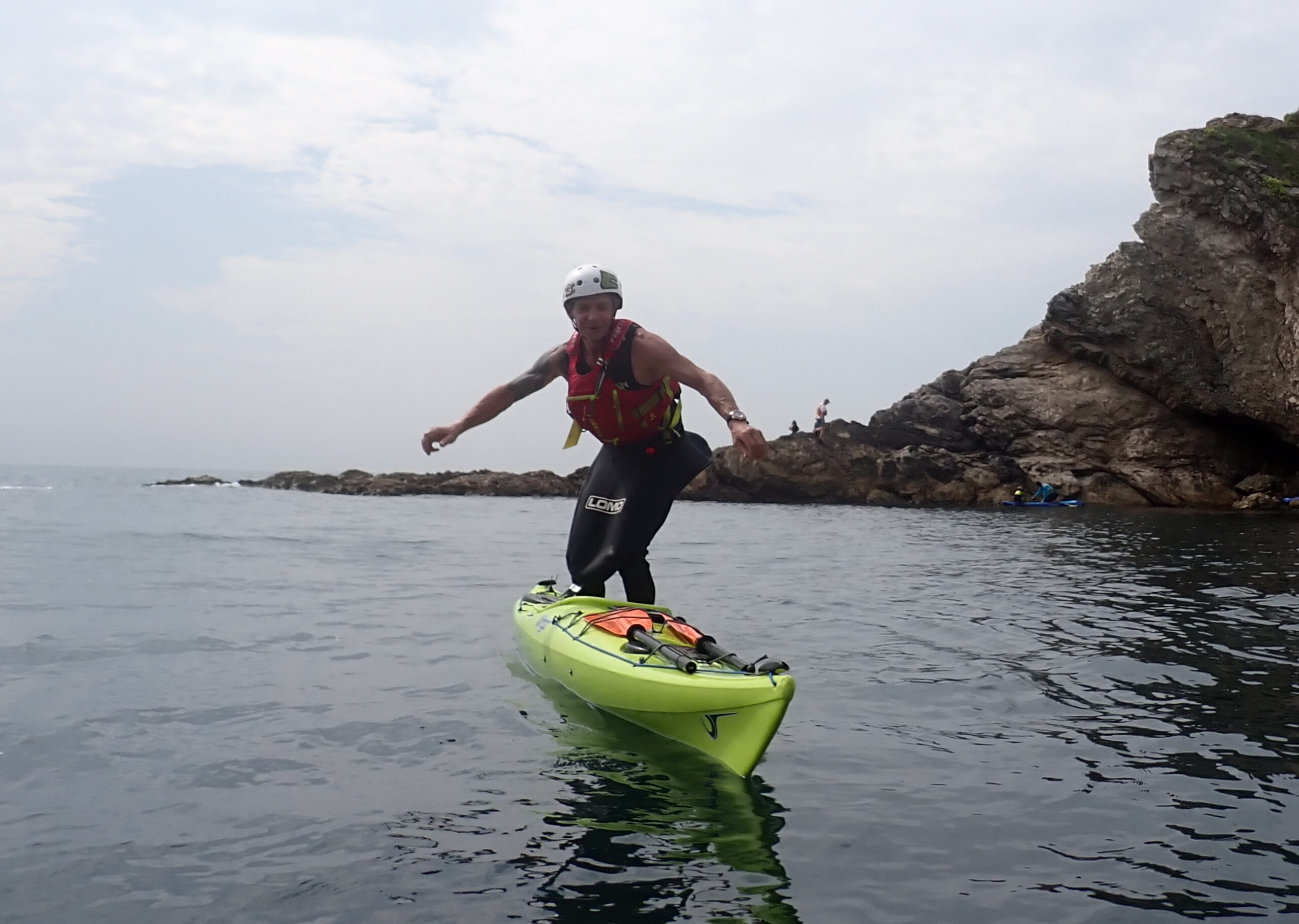
I was lucky enough to be invited down to the Jurassic Coast to paddle with Sea Kayak Dorset for my maiden voyage with my new Virgo LV. On the drive down, with the boat on the roof of the car, I found a name that suited her: ‘Sweet Jasmine of the Seas’, or ‘Jasmine’ for short. I had not been out kayaking on the sea for more than 35 years. Back then, the boats we had were £5 boats, so they were not the best, but they got me out on the water in S.W. Devon. What a difference paddling Sweet Jasmine made!

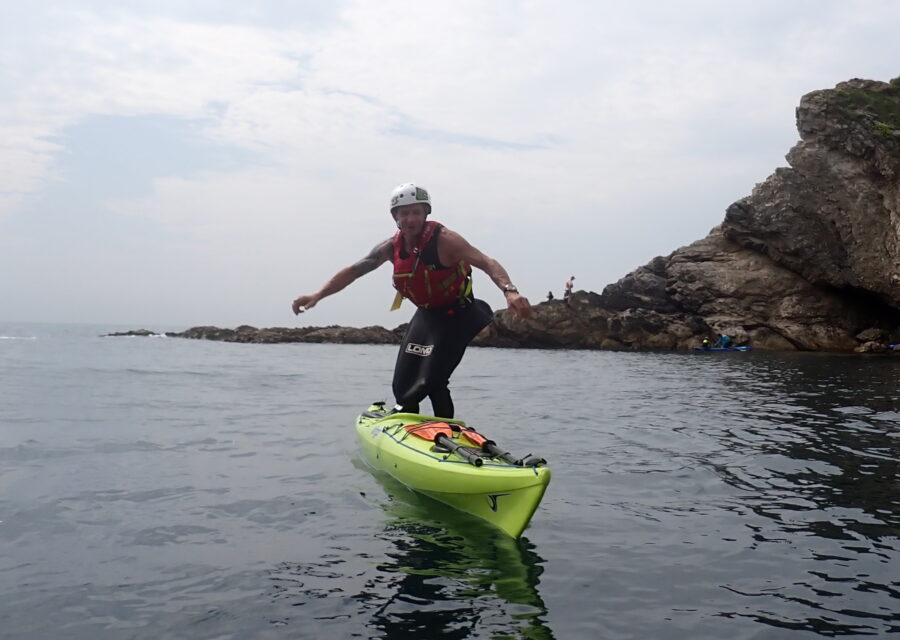
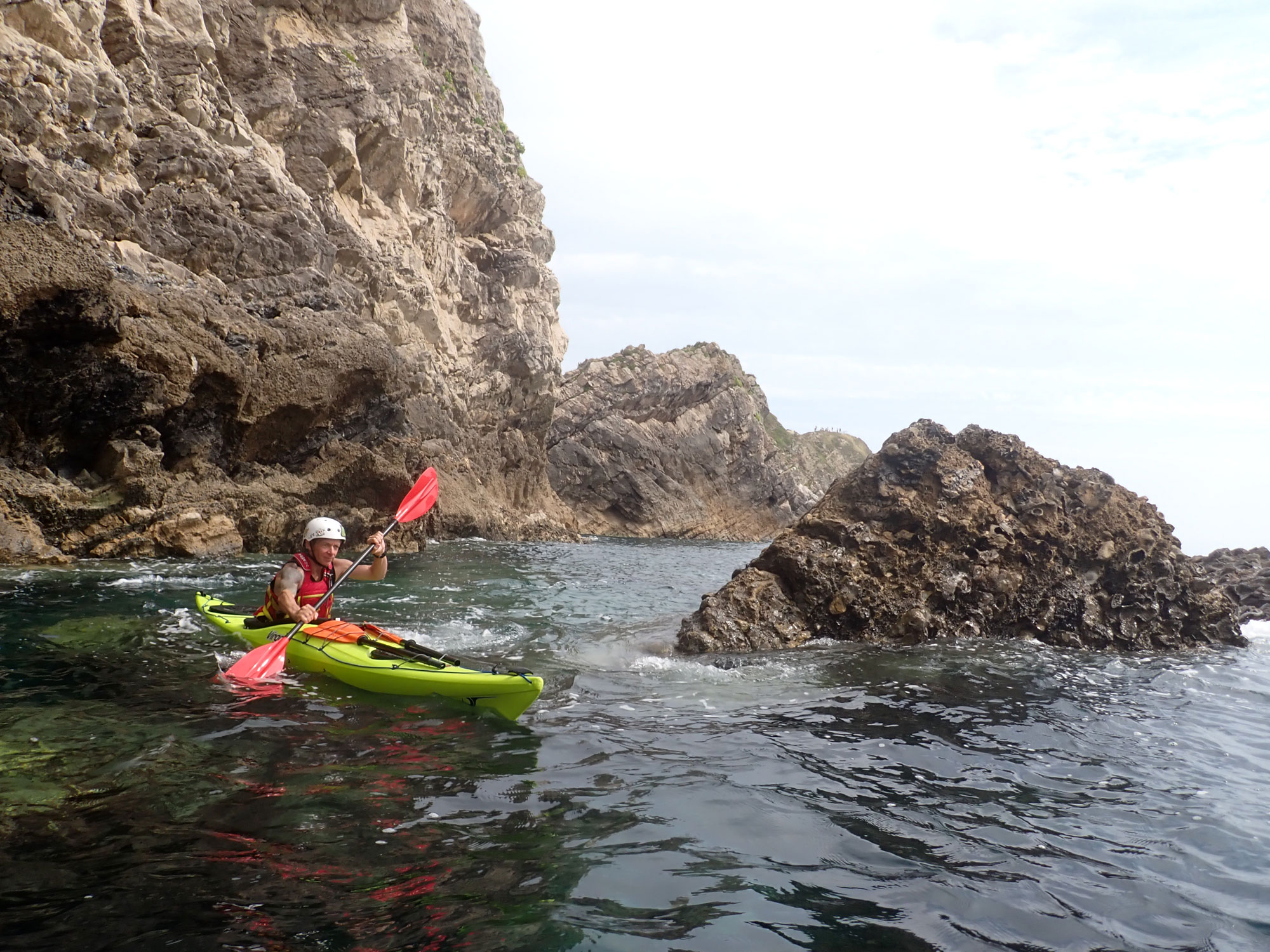
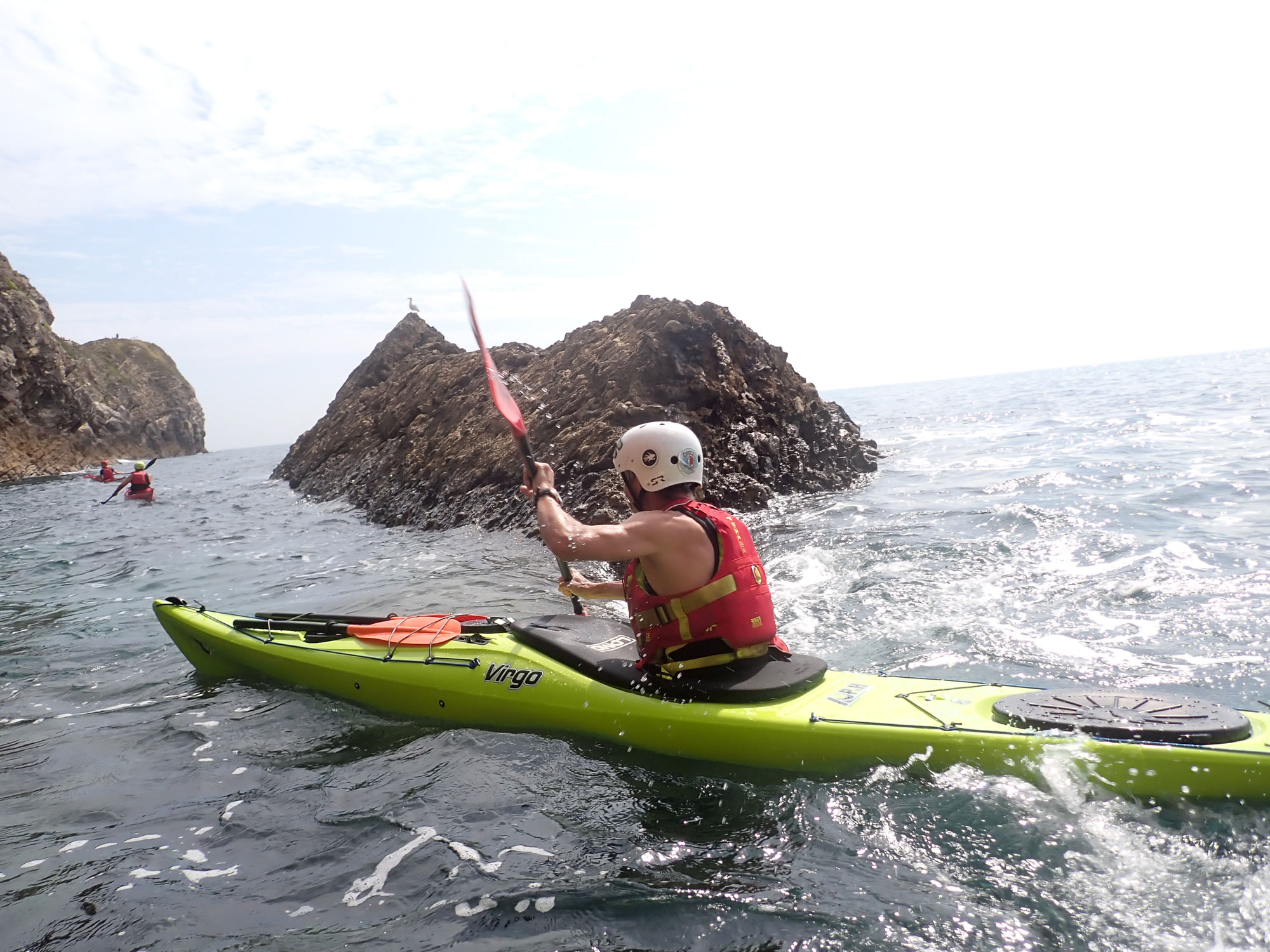
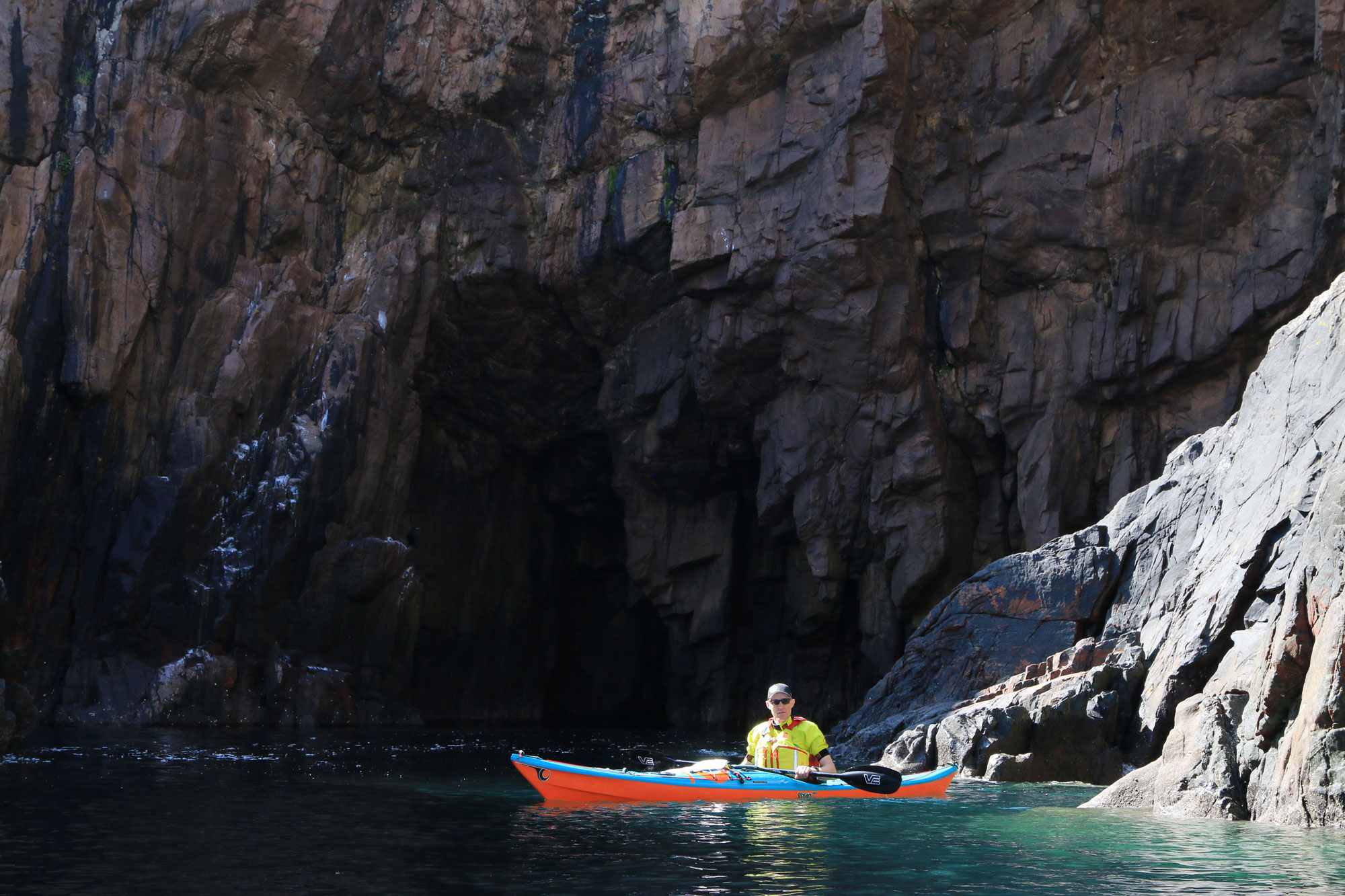
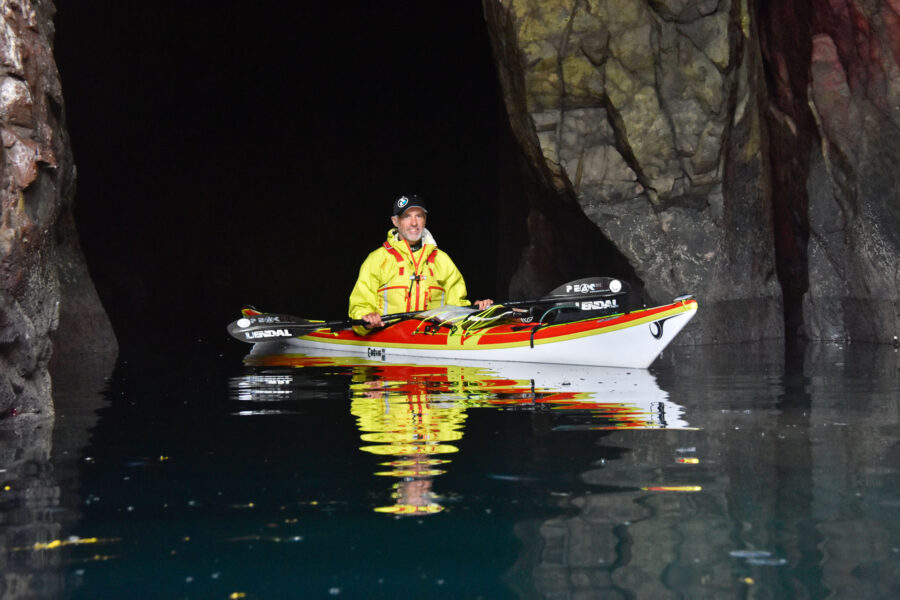
Our first paddle together took us through Durdle’s Door, into caves, and a spot of rock hopping. The weather was calm and warm, and the group was small, all of which gave me time to get to know Jasmine better. I only needed to make small seat adjustments en route, which made a big difference to my posture and comfort, feeling engaged and supported. Her short length and supportive edge allowed me to gather confidence quickly, and I started to play and experiment whilst rock hopping. The day was over too soon, and on the drive home I was left wanting more; I am sure that Sweet Jasmine of the Seas wanted to be back in the water where she belongs.

An email a few days later from Paul Hurrell, founder of Sea Kayak Dorset, brought me great joy: two more days out on the sea for a Sea Kayak Leadership training course, with a different group, different conditions, and a lot more challenging. I was almost up for it, but first I had to make adjustments to the knee braces and find myself a set of paddles more suitable for the boat.

I did not know what to expect. I was still trying to find my balance, find my sea legs… It was windy, and I was unsure of how I would perform. I didn’t know how Jasmine would behave in racing tides and crashing waves and with wind against tide surfing conditions. But with a strong group of nine paddlers setting out to practice and support each other, it was easy and enjoyable enough in the end.

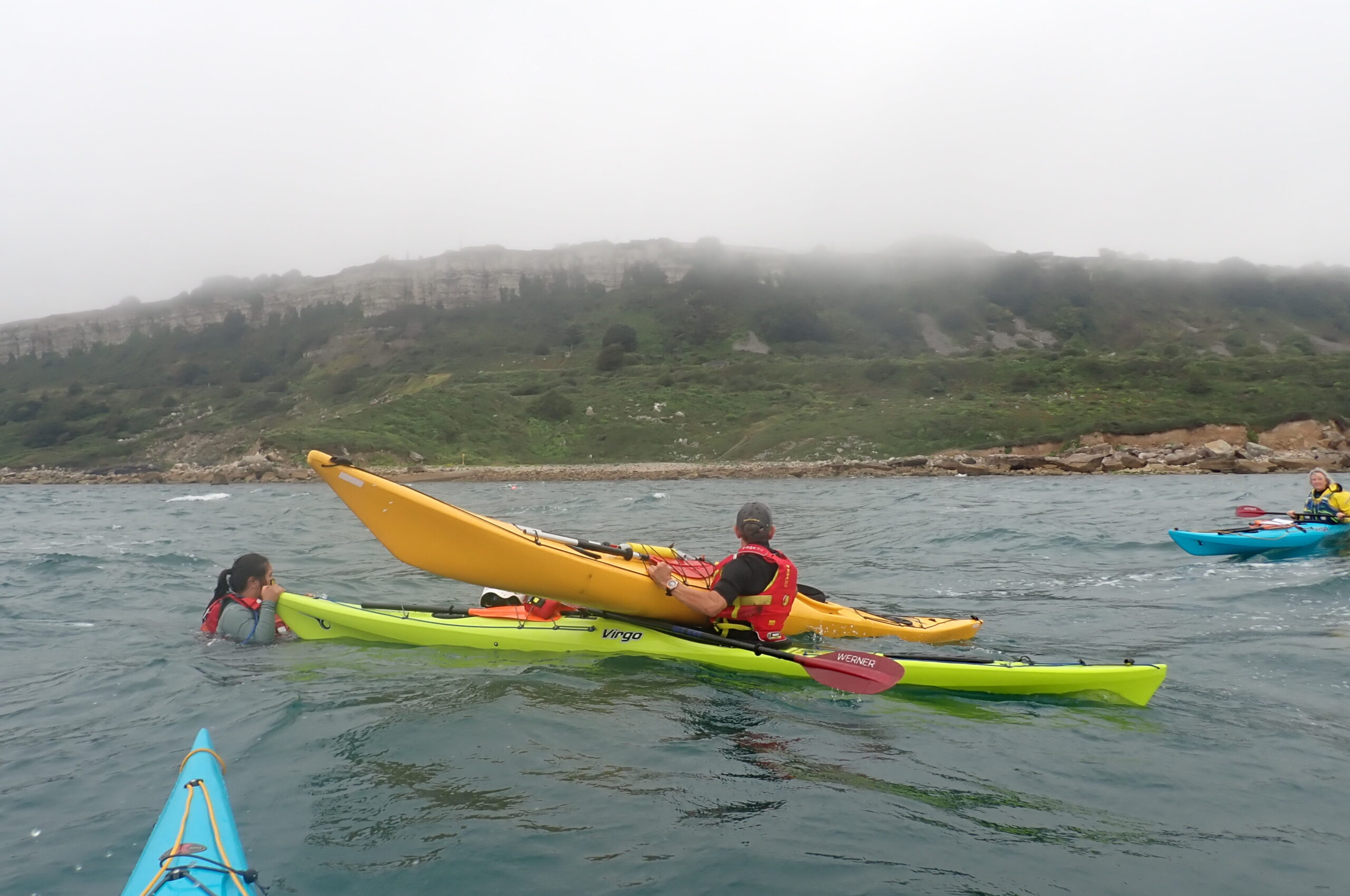
Even though I am a fairly new paddler, I found it easy to feel the boat and relax on the water just by tweaking the various cockpit adjustments. I felt an increased connectivity with my boat, which gave me the confidence to rescue bigger paddlers and boats in active waters. Jasmine’s stability allowed me to dash into caves and between rocks and to quickly and efficiently manoeuvre out of danger. On a few occasions, I found myself swimming alongside Jasmine, and self-rescues became second nature by the end of the day.

The Virgo LV is not the longest sea kayak on the market, so it has limited storage space. None of this mattered. Despite her length, Jasmine is not a slow boat; with a clean technique and a good set of paddles, I was able to match and keep up with the longer boats easily. Its shortened length meant that adjusting my body position had more effect on the trim of the boat, allowing me to catch and grip the waves; the speed and thrill of the ride were exhilarating! On the other hand, I was still able to fit all my gear in comfortably with room to spare, which means longer adventures await.

Am I planning on paddling to Spain to visit family or surf the giant Atlantic breakers off the Cornish coast in a Force 8 gale? Maybe, who knows? What I do know is that this boat fits me; I have a lot to learn, and she has a lot to offer. I think it will be many moons and many adventures before I grow out of her; in fact, I will probably grow too old first.

A big thank you to P&H for making a fun, playful, spirited sea kayak for the smaller paddler, and thank you to Sea Kayak Dorset for taking me out and pointing me in the direction of finding my solace.

Why go light? Considerations for getting a lightweight construction sea kayak…

Words by Doug Cooper

For over 30 years, I have been happy paddling Diolen construction sea kayaks, many of which I have chosen to get made up in a more robust ‘heavyweight’ layup for work and expeditions. This has all changed now, though, with my current mantra being ‘light is right’, and with the new P&H Ultralight construction option available to enjoy, there has never been a better time for this paradigm shift in my sea kayak construction choice!

What has led to this change of thinking, though, and could light be right for you as well? It has certainly revolutionised my sea kayaking experience, and as we’ll go on to explore, it will allow me to continue sea kayaking a lot longer into my ‘twilight’ years!

Sooner or later, a lifetime of ‘exploring my boundaries’ in the world of kayaking was always going to take its toll on my (now) ageing body. With the benefit of hindsight, it is only too easy to offer advice to my ‘younger self’ with regards to taking it easier, warming up more, caring for the body and allowing injuries proper time to recover; however, reality proved to be different!

An ongoing back issue led to 4 months of relative immobility last year, with a constant question of whether I would paddle again always present in my mind during this period. As things slowly got better, the physios prescribed gradually getting back out paddling – this was music to my ears!

During this period, it quickly became overtly obvious that the paddling was the easy thing; that was actually feeling good for my back. However, the moving, loading, unloading and lifting of my trusty sea kayak was the biggest challenge and thing that was stopping me from getting out – it was just too difficult for my recovering back.

I have used sea kayak trolleys for many years now, along with easy load roof rack systems, but even with all that – the kayak still needs to be lifted, and that was a problem for me. I couldn’t help but think – has all this lifting and carrying been the root cause of my back problems as opposed to the actual paddling? Also, for all those people out there who are similarly challenged lifting and carrying their sea kayak (for many other reasons as opposed to purely injury), is this perhaps the biggest barrier to enjoying getting out sea kayaking?

A shout out to my long-term friends at P&H, and a lightweight construction sea kayak was on its way – with the hope of solving all my problems and getting me back out on the water doing what I love to do!

I was still a bit sceptical about how much difference a lightweight boat would make, but I can now say the difference between carrying a 15kg Ultralight kayak and my previous 26kg kayak is nothing other than remarkable. Whether it was me loading/carrying my kayak with a friend or with the trolley or doing it on my own, it made it easy.

This ease of carrying suddenly encouraged and enabled me to get out more; popping down to the water for an hour’s paddle suddenly became easy to do as opposed to ‘more hassle than it was worth’. My bad back still needed looking after, but the paddling was pretty good for it, and now getting to the water was possible; this new lightweight ‘wonder’ boat not only enabled me to get out, but I am convinced will allow me to keep getting out into the future.

As my back recovered and my paddling increased, I soon discovered other advantages of my new ‘light is right’ toy. On expedition, I had previously thought there was little point in a lightweight boat as you just fill it with heavy kit anyway – how wrong was I! I can now carry my empty (or nearly empty) light boat to the water or up to land and then carry my expedition kit to and from it in a not-too-heavy kit bag. A little more walking, yes, but a lot easier on the body – which I now know is important!

I still always use a trolley with my sea kayak when possible, but again, pulling a lightweight boat is so much easier, and there is always some twist in the body when doing this, so my back is thankful!

As my body continued to recover, I could start getting back out in the more advanced environments, enjoying sessions on the Falls of Lora, surfing at the beach, a downwind run or tidal race play. In all of these environments, the lightness of the boat and the stiffness of the hull did nothing other than put a smile on my face. It was more responsive, felt easier to manoeuvre and seemed to want to just ‘dance with the waves.’ Suddenly, my new kayak, which was initially acquired to enable me to get out paddling, was now enabling me to perform better as well – something I didn’t think would be happening at my stage of paddling!

Having been enjoying my move to a lightweight construction for over 6 months, a final previous concern of ‘going lightweight’ is also starting to be dispelled. That being the kayak will be ‘fragile’ and have the potential of breaking!

I’m always careful with my kayaks, but that said, they do get a lot of use in often advanced conditions with awkward landings; this is both empty and fully laden. Despite its weight, I’ve now got complete confidence that my kayak is far from ‘fragile’; the lightweight construction is certainly tough enough for all I am going to be using it for. It will indeed be serving me well for many years to come, as I now believe my body might be as well.

So, if any of the above resonates with your own experiences of sea kayaking and you are in the position to consider investing a fair amount of money, then I can assure you the benefits can be life-changing. You may well end up joining me in my mantra that ‘light is right’!

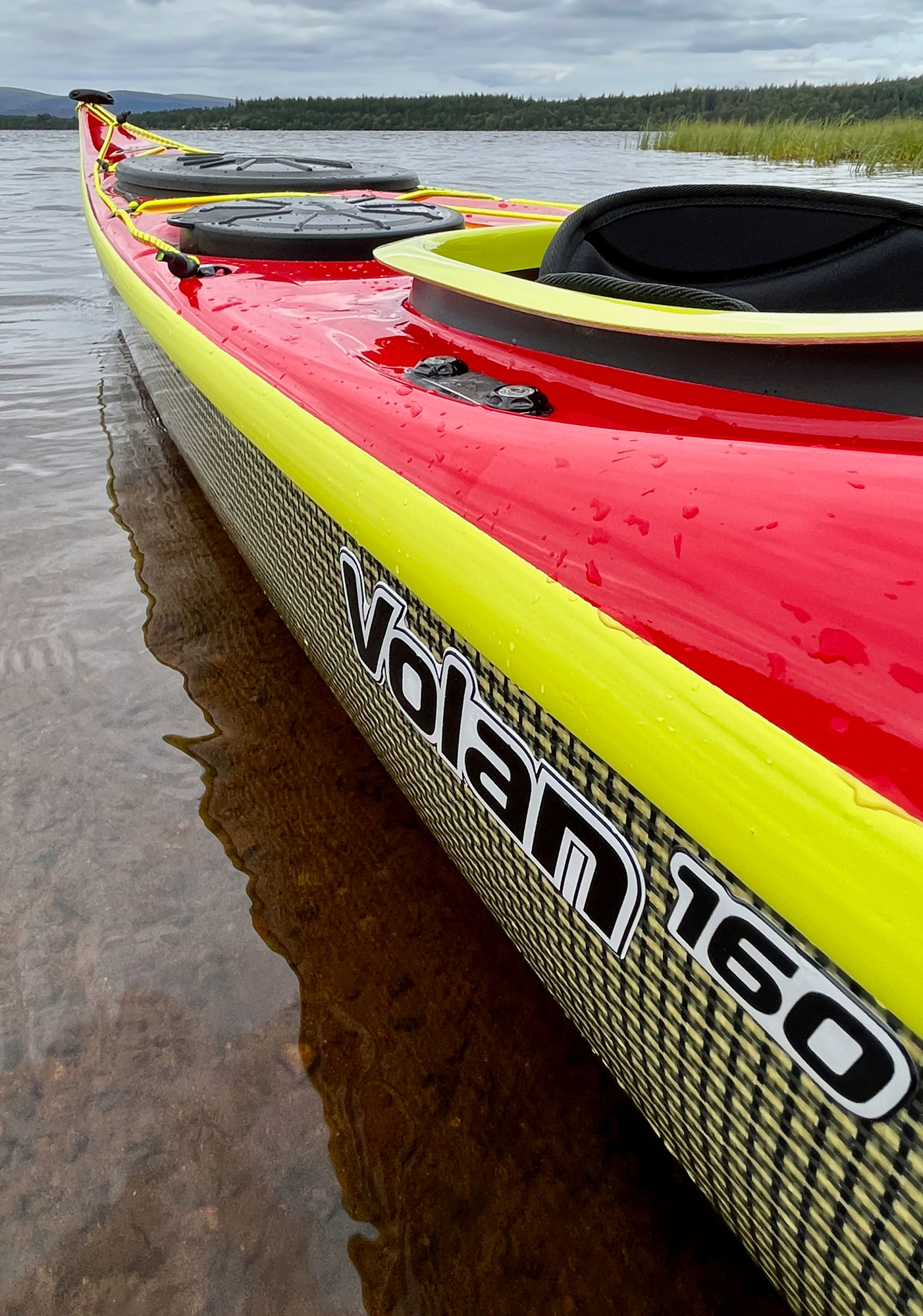
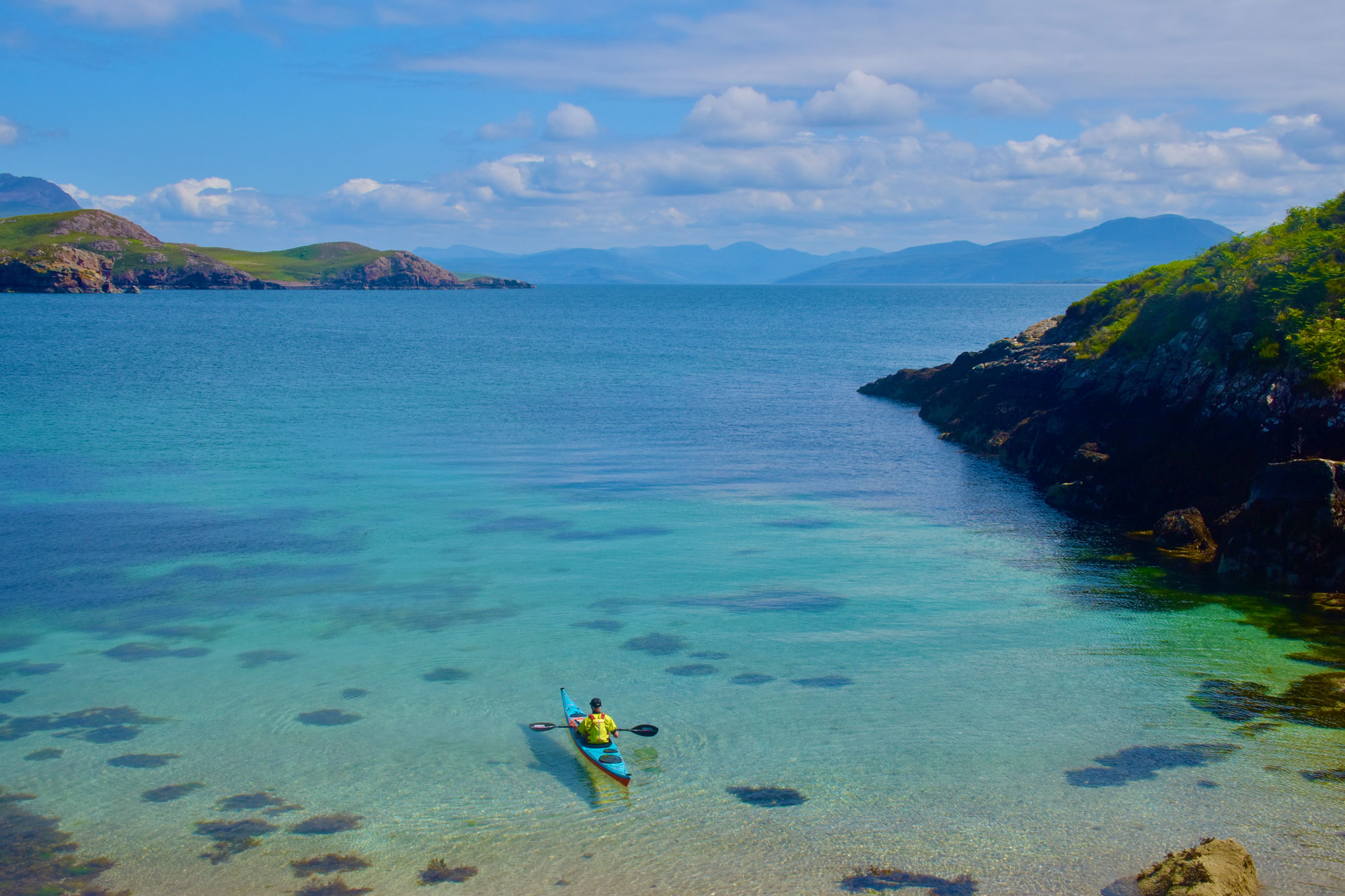
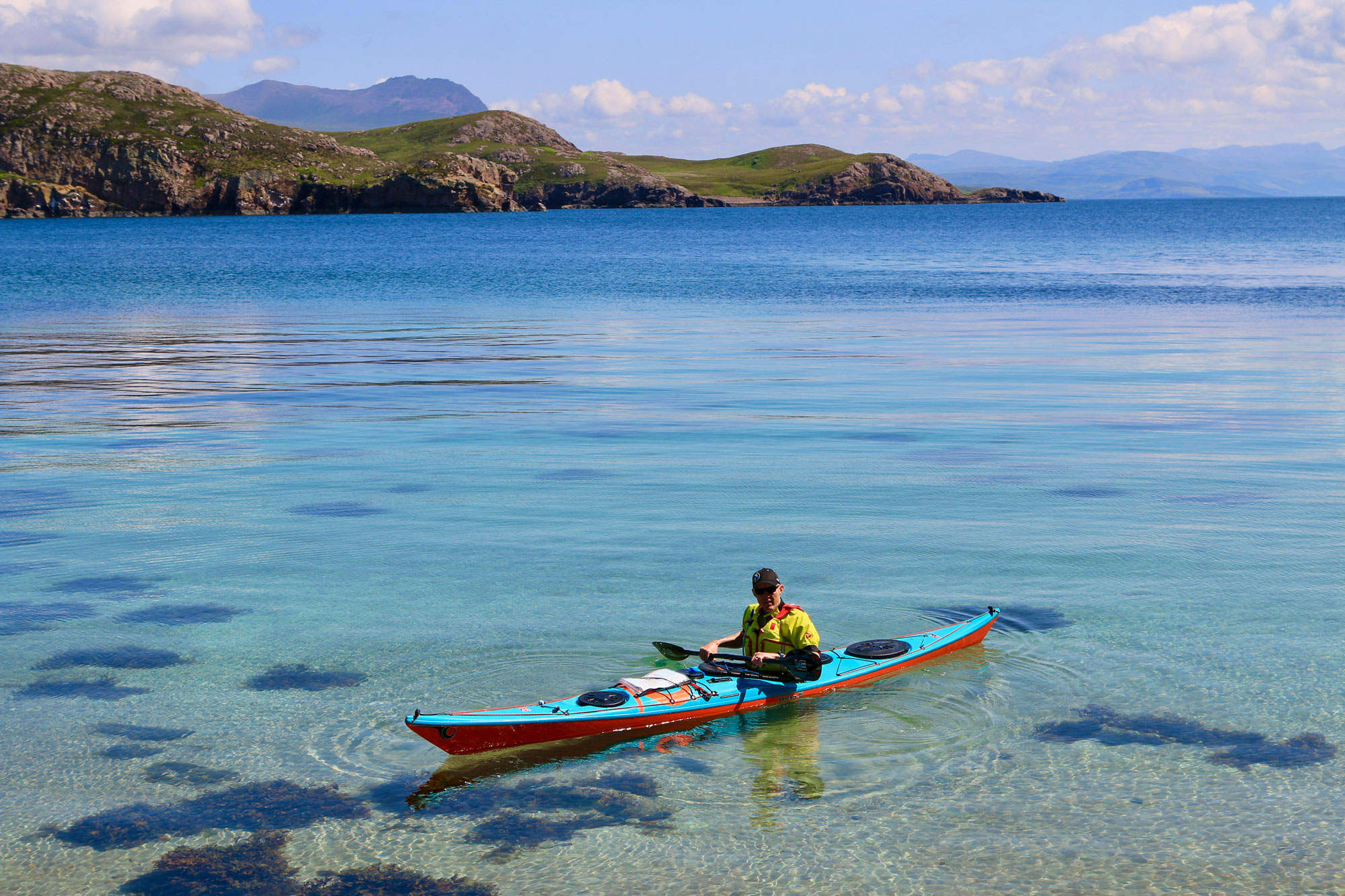
Scotland, the Northwest Highlands; the perfect expedition venue to take a Volan 160 and Cetus MV for an adventure…

Words by Doug Cooper

Photos by Doug Cooper & Pete Astles

Every year, my good friend Pete Astles from Peak PS and I block out two weeks in our diary for a Scottish sea kayaking adventure – the primary aim is to get away from it all and have fun. Last year was no exception, and on a warm and sunny June day, we found ourselves in the Northwest Highlands just north of Ullapool on a stony beach, getting ready to set off for 8 days ‘away from it all’. It was that usual start of a trip; two big piles of kit sat alongside two empty sea kayaks, the two of us wondering if it would all fit! Kit for a self-support trip of this length is nothing we are not used to, but our trip was going to take us initially through the Summer Isles where water was scarce, so we needed to fit in extra water; alongside some of the extra comforts two slightly more ageing adventurers now look to take on trips!

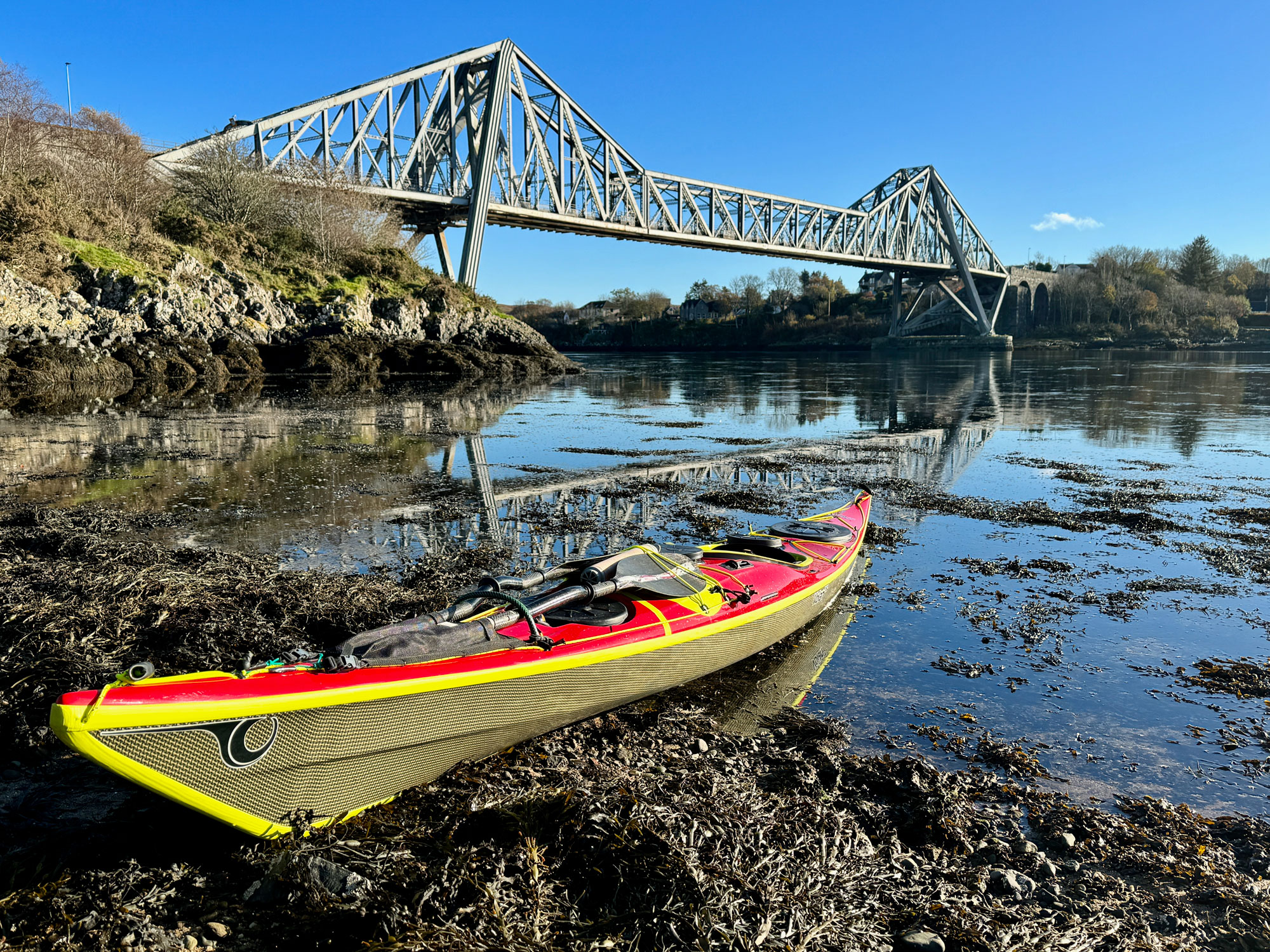
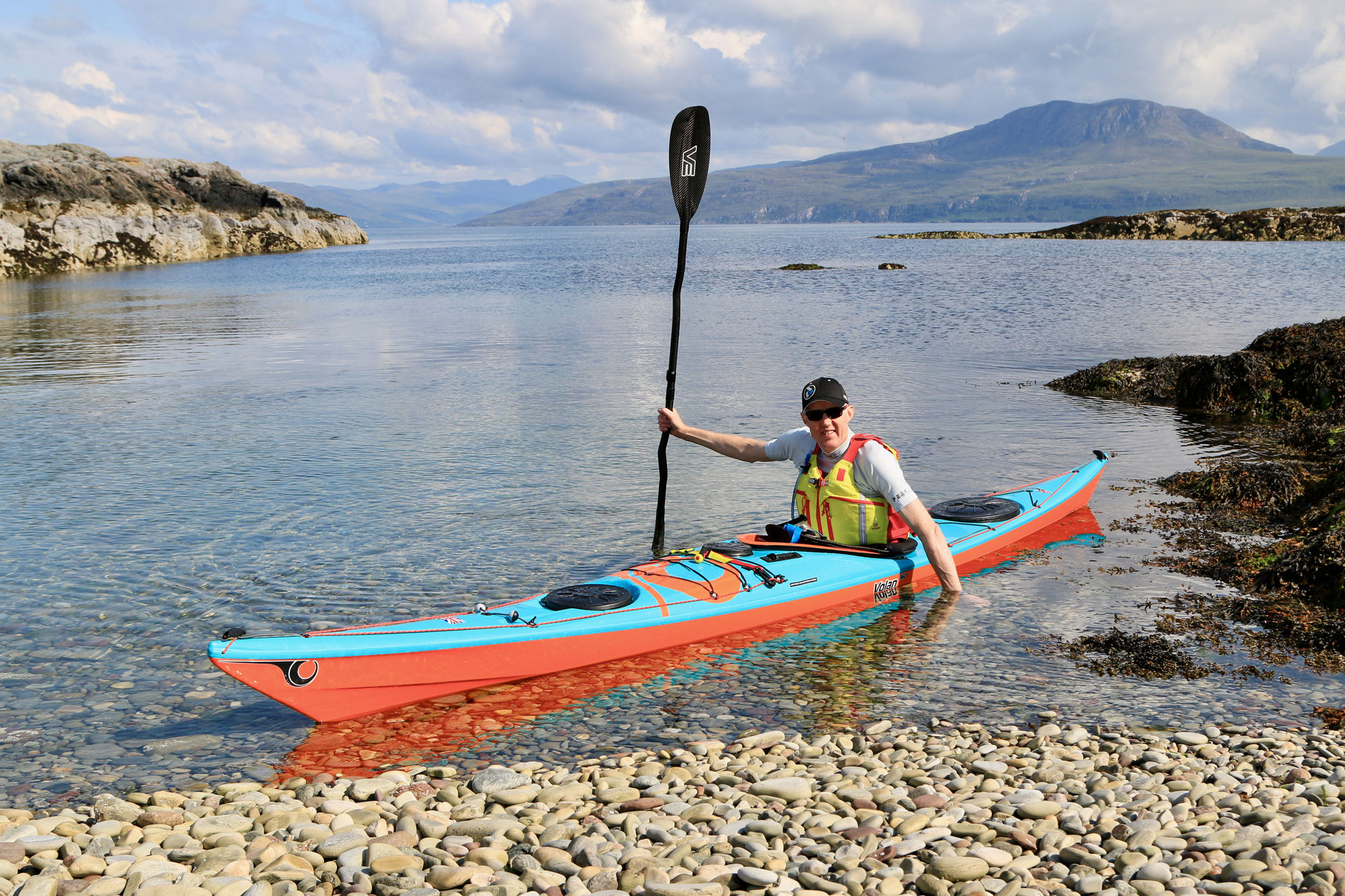
I was packing my trusty Cetus MV that I have paddled for many years now, but Pete was in a new Volan 160 that he was looking forward to trying out, and I was very interested to see how it’d compare with my Cetus! I must admit I was sceptical the Volan 160 would fit all of Pete’s kit in, but it passed this first test with flying colours – everything was in, and its carrying capacity seemed not too restrictive compared to the Cetus.

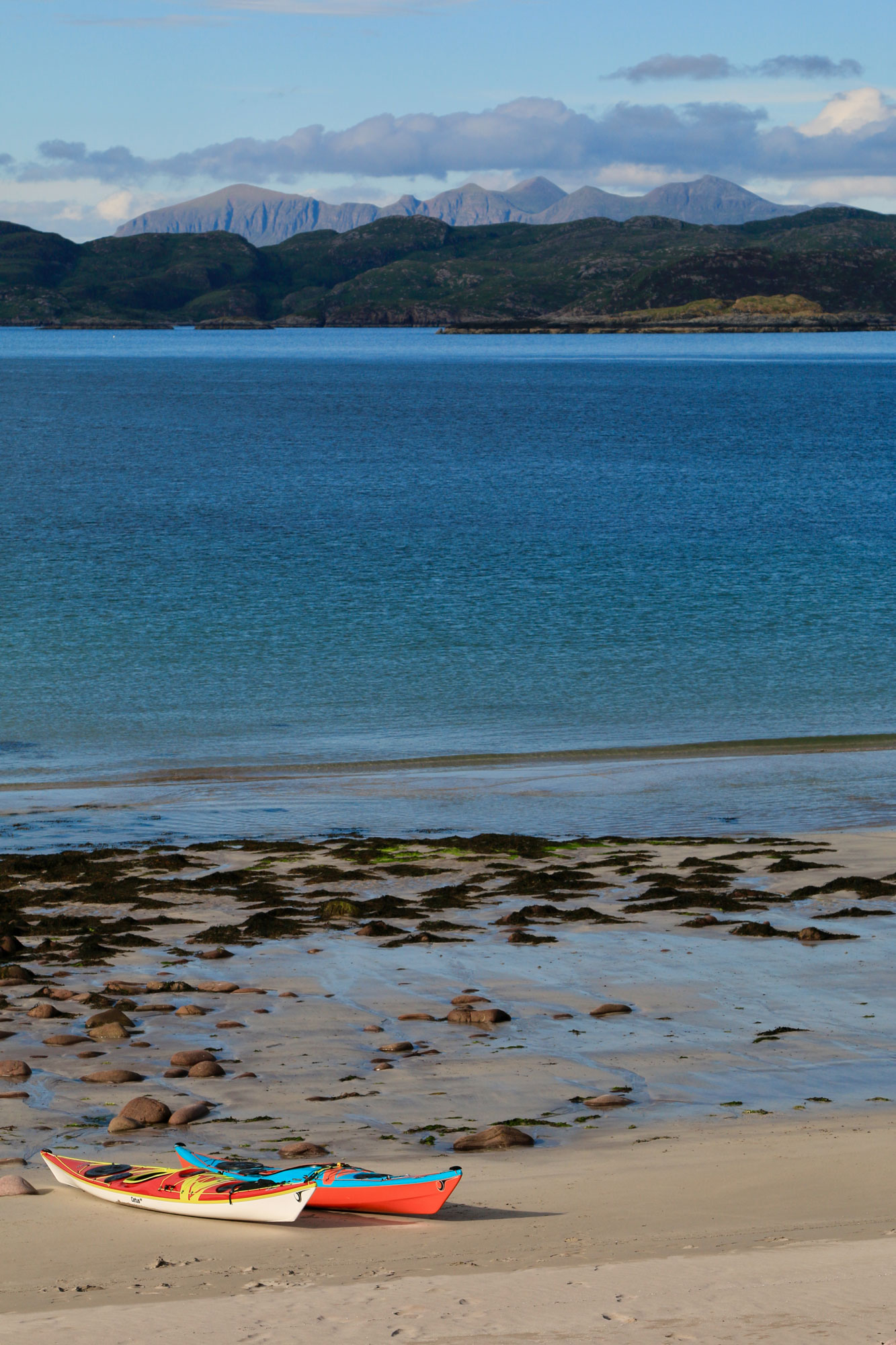
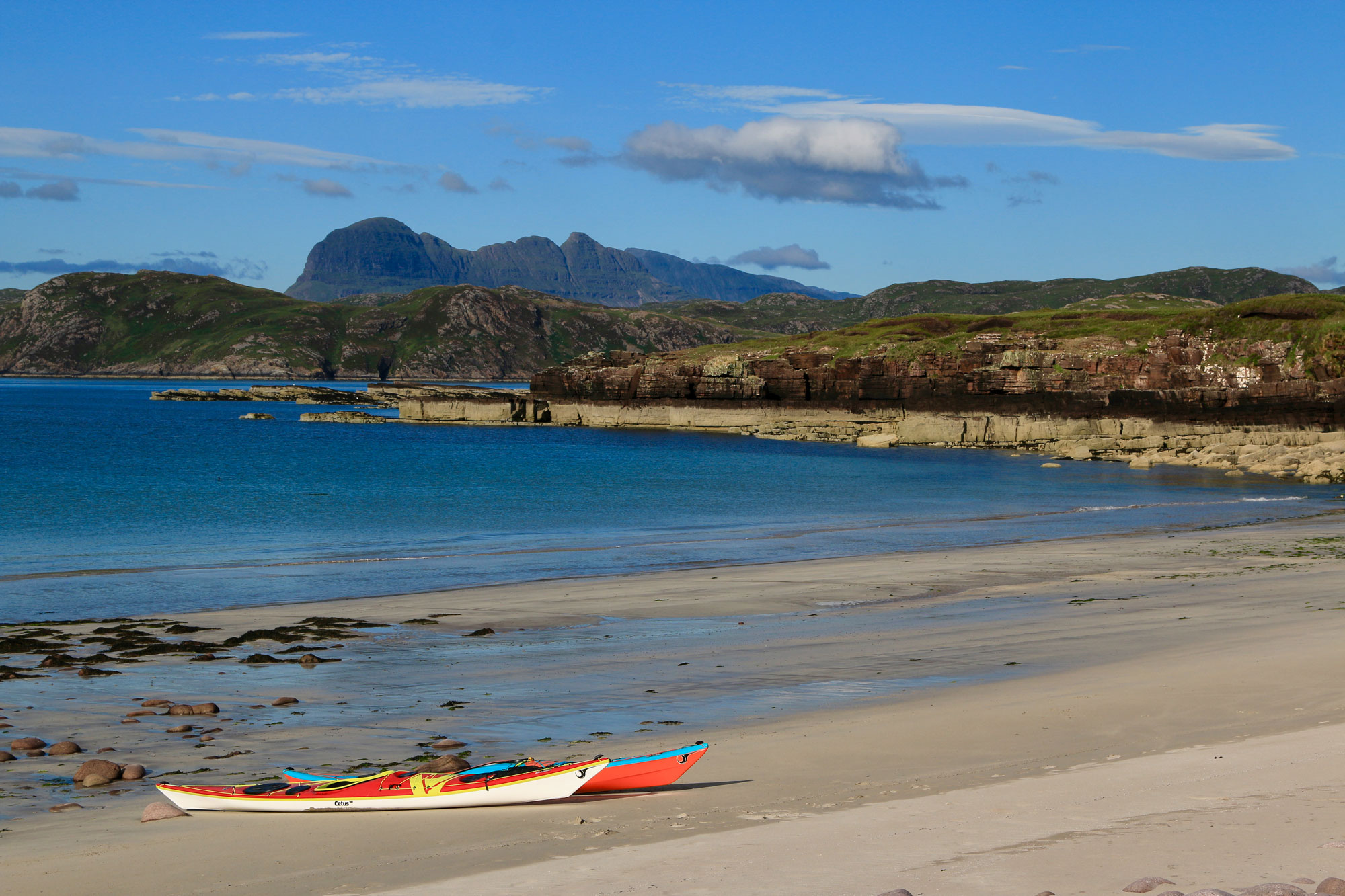
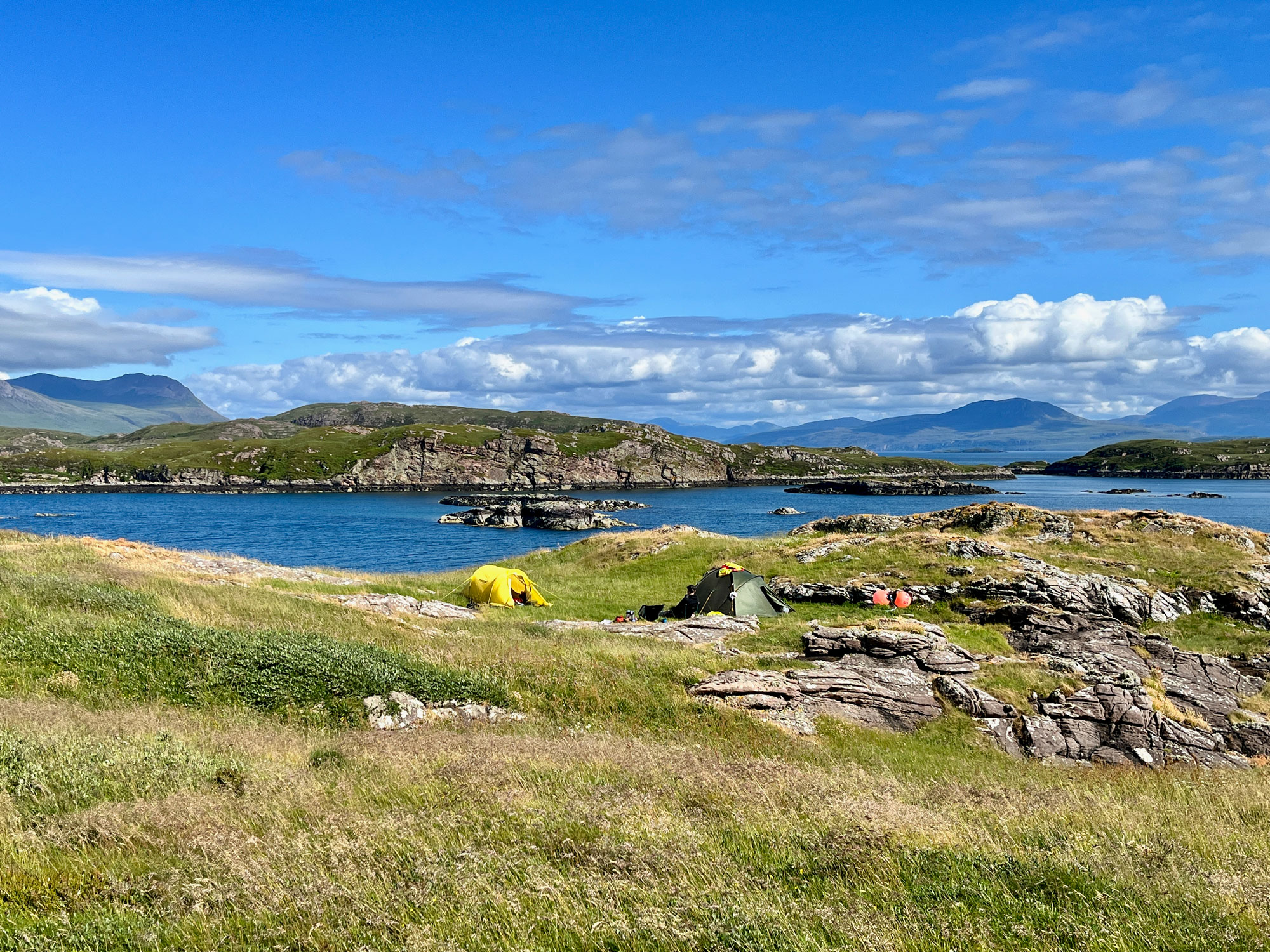
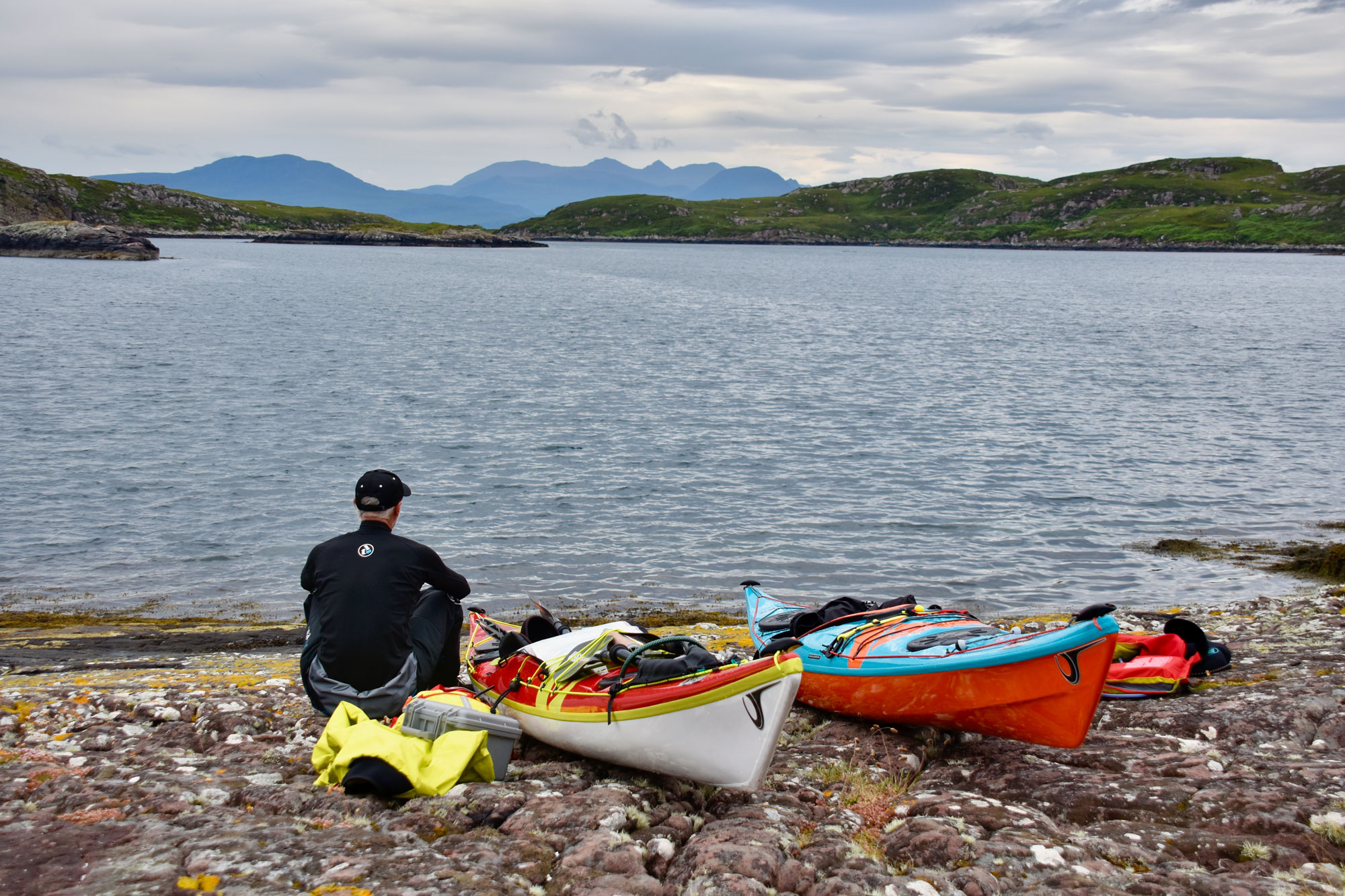
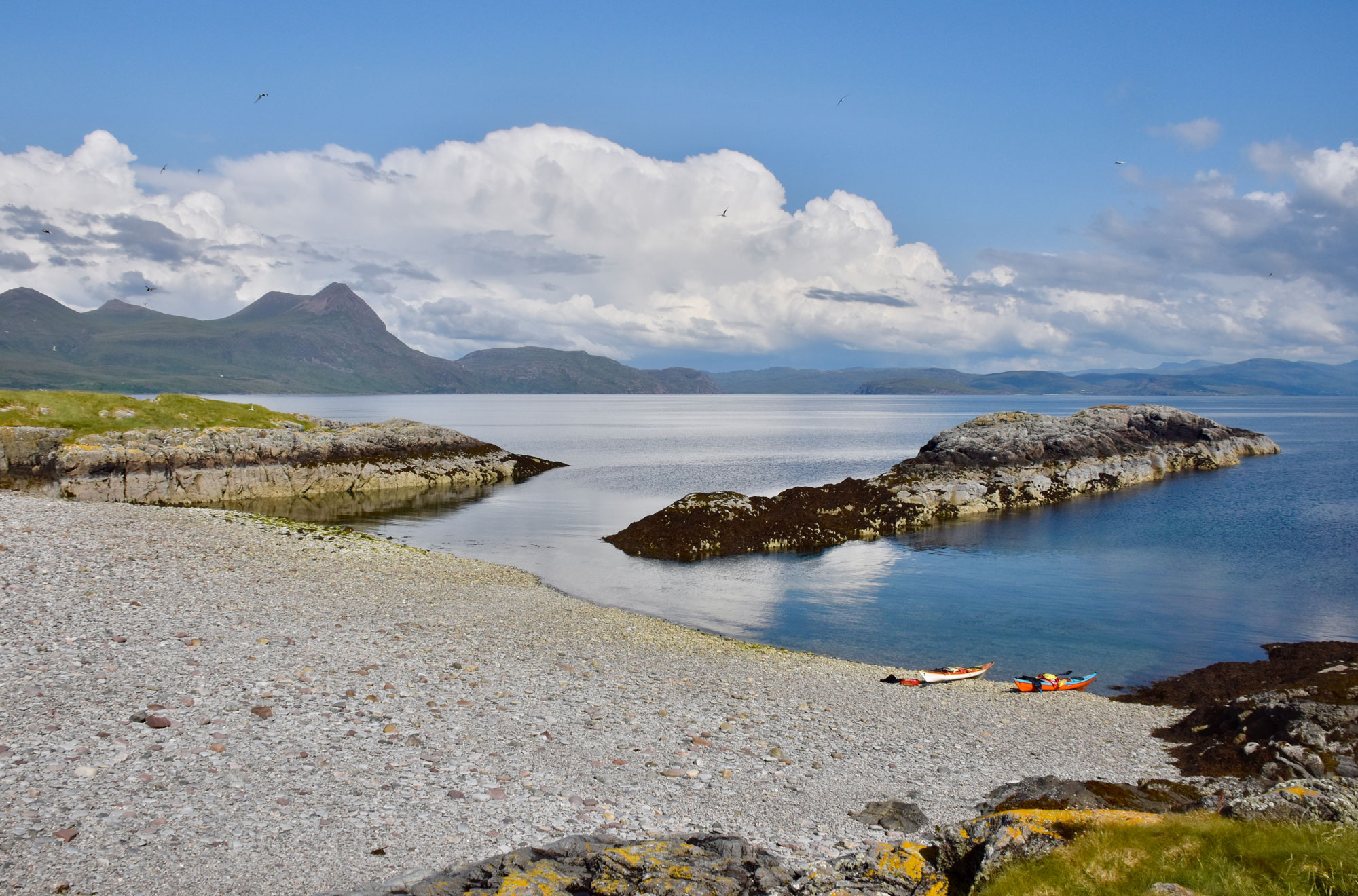
With perfect weather and a myriad of islands to explore, wild campsites to savour and breathtaking scenery to take in, we spent the next five days exploring every nook and cranny of the beautiful Summer Isles. Evenings were spent enjoying watching the sun set over the distant Outer Hebrides, whilst days were spent venturing between the islands, landing on the beaches, and exploring the caves; all under the watchful eye of the resident wildlife and the towering sentinels that are the surrounding Assynt Mountains.

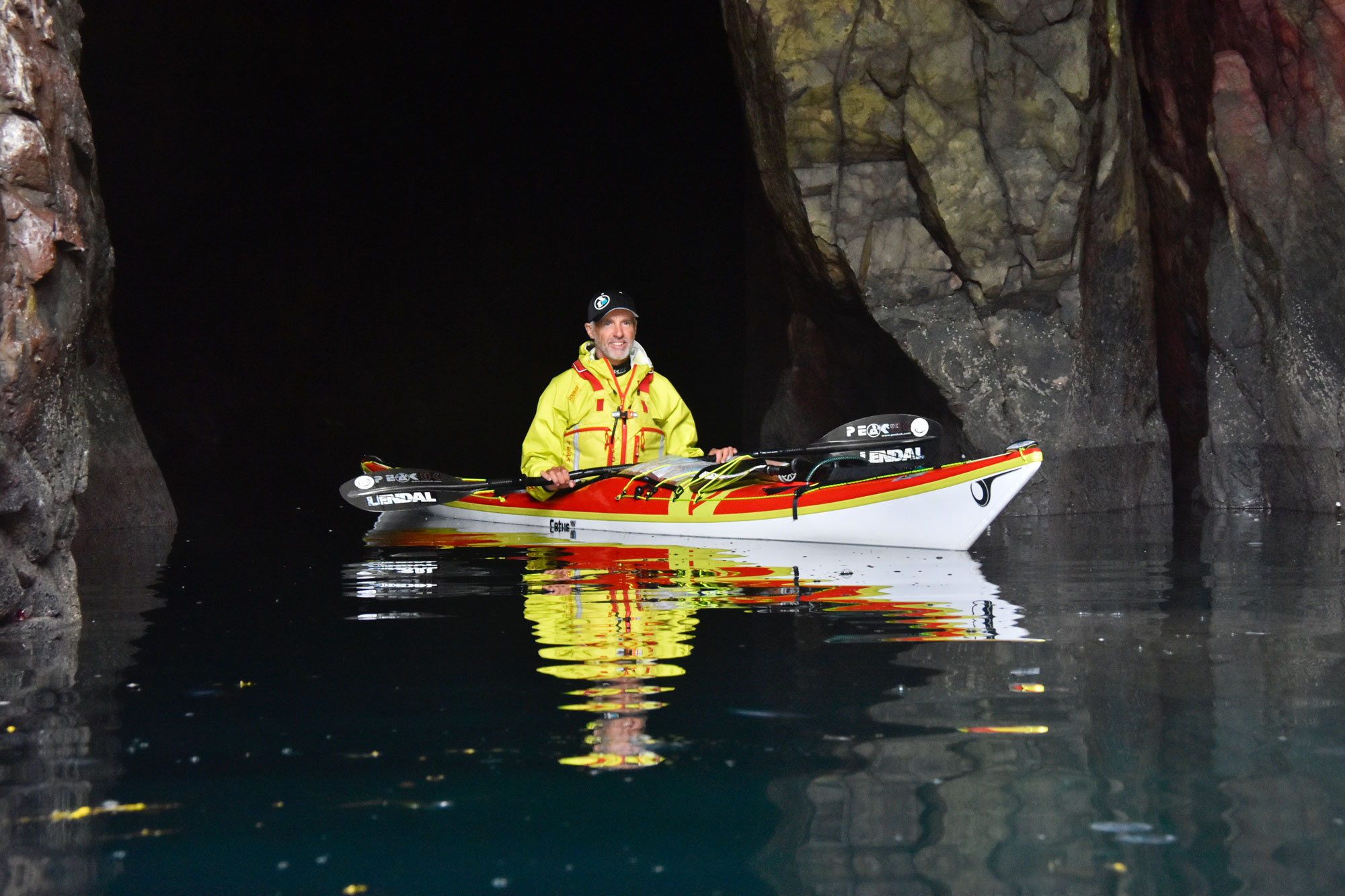
Whilst exploring the islands, we decided to swap kayaks each day, both wanting to discover the performance differences between our two boats. In the calm conditions, both kayaks cut through the water like a dream, with the Volan 160 consistently surprisingly fast – how could this shorter and wider boat maintain its speed so well was our constant source of discussion; the anticipated ‘faster’ Cetus was not leaving the Volan behind that was for sure. Enjoying exploring the caves, arches, and rocks, the manoeuvrability of a kayak makes such a difference to the ease of what can be achieved; we both had to agree the Volan 160 top trumped the Cetus MV big time when it came to this!

Leaving the Summer Isles behind, our journey continued around the dramatic headland of Rubha Coigeach, with expansive views west to the Hebrides, north to Cape Wrath, and east into the mighty Assynt mountains, a sight to behold. A stunning beach provided our camp for the night, a perfect end to this magical day; however, with the sun setting, the forecast advised us all was to change for the next few days. Waking to a sea of white horses, we planned a conservative route to take us ever north, where we planned to finish at Lochinver. Setting off, we enjoyed a ‘playful’ force 5-6 to get us going, but by the early afternoon, this had evolved into a ‘robust’ force 7-8, and thus, a downwind surf to shelter was required.

The ‘playful’ and then ‘robust’ conditions again provided a great opportunity to test how the two kayaks performed. It was obvious that the Cetus MV tracked a bit better in the side winds, but that said, with appropriate trim and skeg, the Volan 160 was certainly easy enough to keep on track. When the robust conditions asked for stability, manoeuvrability, and confidence-inspiring from the kayaks, then neither let us down. That said, in the Volan 160, it was obvious less effort was required to turn in the conditions, and there was definite extra stability to allow for a slightly more ‘relaxed’ as opposed to ‘focussed’ look on our faces! As for the Force 8 downwind surf – well, that certainly put a big smile on both our faces in our respective craft. However, when it came to cutting about on the following sea waves, the Volan 160 won the price for minimum effort and maximum style, but when it came to getting to the shore first in a straight line at speed, the Cetus MV was there to welcome the Volan ashore!

June in the far Northwest Highlands provides close to twenty-four hours of daylight, so, having sheltered from the wind all afternoon, we could make use of a late evening calm period to continue our journey. Our last camp was on the outskirts of Lochinver, where the following morning we could catch a bus to return us to our car. After our brief stormy period, it provided a tranquillity that could be savoured more than usual as we sat and watched the sunset one last time. It allowed us to reflect on our 8 days ‘away from it all’, chat about sights seen and experiences lived, and, of course, most importantly of all, plan where we will head for the following year’s two-week adventure – already in the diary. The final question to ponder, will I be joining Pete in paddling a Volan 160 for the trip – I think I might be!

A Taste of the Ultralight Volan

As a proud owner of a Cetus, I have been on many sea kayaking adventures, exploring the outer Hebrides, the caves of South Wales, and the coastlines of Scandinavia as far north as Tromso in Norway. However, I always thought that a longer, expedition-style sea kayak was necessary for these types of trips – which I realise might be a common misconception. That is until I was told to check out the P&H Volan

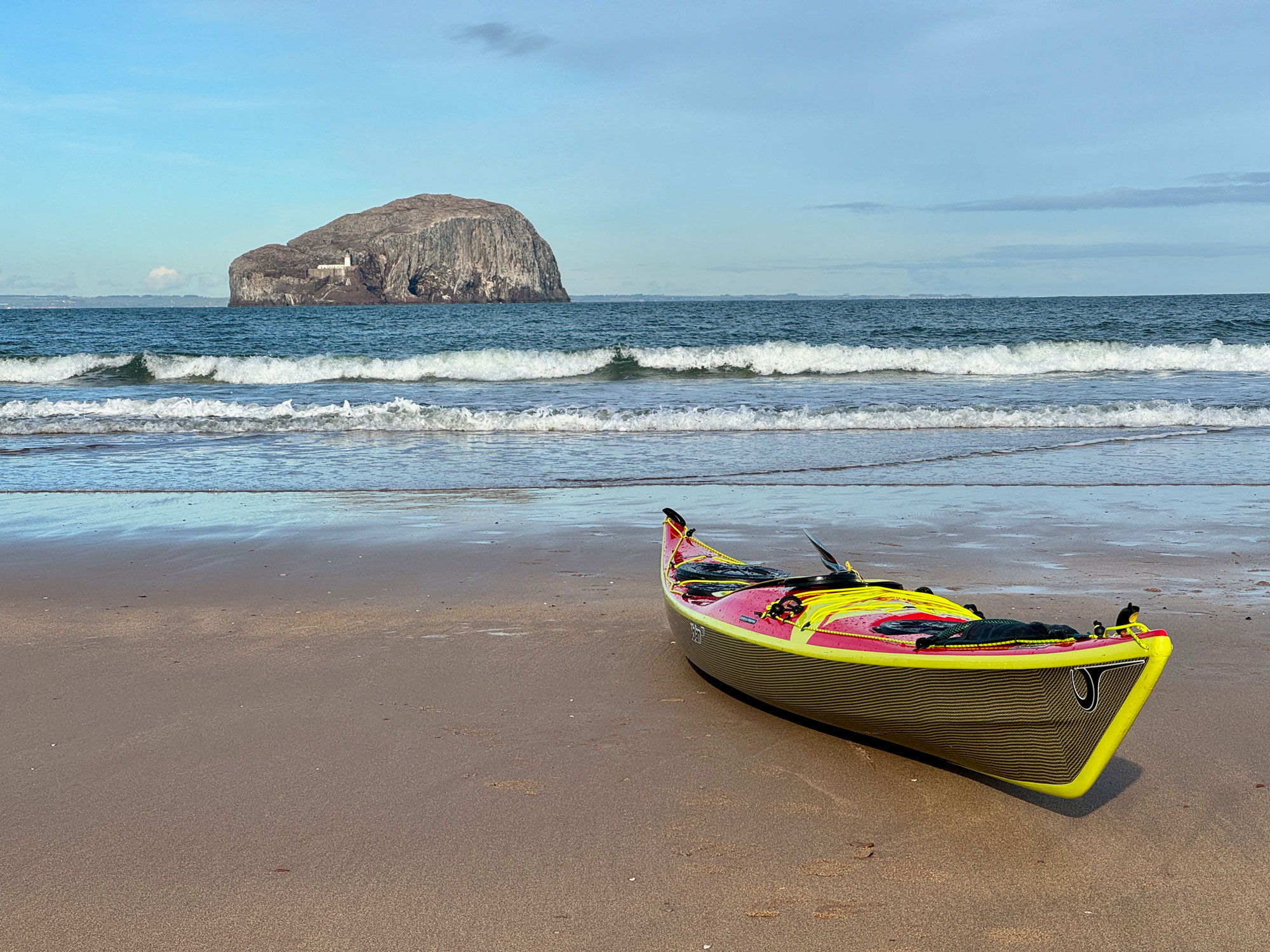
I have wanted to paddle a Volan since its release, and I was curious to see if a shorter kayak could still provide the speed I needed for group paddles and solo missions, while also offering more manoeuvrability for rock hopping and playing along the British coastline. So, when I had the opportunity to try out a demo of the Volan 158 in P&H’s new Ultralight layup, I jumped at the chance to steal it for a weekend.

The Expedition layup of my Cetus, complete with rudders and accessories, weighs around 26 kg. In contrast, this new Ultralight Volan, made of a kevlar/carbon weave with additional strengthening bands, weighed in at only 14.8kgs. It is truly a thing of beauty, and I was warned not to break it!

Despite being designed for touring in the fjords of Norway, lakes from Windermere to the Great Lakes in the USA, and the perfect conditions of the European continent and the Mediterranean, the weather and the tides don’t always tell the story you want to hear though, and the fun Spring tide conditions in Pembrokeshire were calling Gabi and I to make the trip to West Wales for the bank holiday weekend.

As someone who grew up as a slalom paddler, I have developed a strong appreciation for lightweight composite boats, while also learning to avoid rocks. Most slalom paddlers will remember the sound of the first time their composite boat connected with the rocks below, but most also remain true to their composite roots. I was amazed by how light the Volan felt when I picked it up, and in the right light, you could see the construction showing through, which served as a reminder that rocks are not our friends.

This education makes us all too aware that composite boats are not to be seal-launched or landed on rocks.

My first impression of this boat began the moment I picked it up to place it on the roof, but I knew that the real test was to come when we arrived in Pembrokeshire. The Bitches, a tidal race between St Davids and Ramsey Island, is well-known for its fast-moving water, complex eddy lines, and breaking waves and would also be a perfect testing ground to make sure the specification was strong enough to be a P&H Sea Kayak. The new Ultralight construction did not falter in these conditions, and it was an absolute joy to paddle. It cruised quickly up the coastline, ferrying across the flow, through the back eddies and paddling out of the whirlpool-like transitions between all the contrasting flows. The Volan’s manoeuvrability blew me away when I threw it on edge, where I am sure weight is a contributing factor, but not the only factor for this design excelling.

While there was a little more flex in the hull due to the reduced layers of fabric, this was only noticeable when I side-surfed a larger breaking wave on the back of the tidal race. Even then, there was no damage to report, but it’s worth noting that these are not the conditions that the Ultralight construction is designed for.

The P&H design team had a vision for this new construction, and I’m sure that it will be a hit among paddlers around the world. The single-person carrying and loading onto roofs are just some of the benefits, as the Ultralight layup is a game-changer on the water.

Whether you’re touring in the fjords or paddling on lakes in calmer conditions in this spec, or playing in the British coastline with a more hardy Expedition layup, the Volan’s versatility is evident in every stroke and it is firmly on my list as a boat to work towards.

All models of P&H Composite Sea Kayak are available to order in the Ultralight layup now, including the brand-new Composite Virgo!

The Full-Carbon Cetus

We make many boats each year between our rotomoulding facility and head office in Cheshire, and our composite workshop in Derby; both have very skilled teams using some sophisticated equipment, and sometimes quite basic skills in a sophisticated way.

In my 52 years in this industry, I have seen some exceptional skill and craftsmanship from our team, from our suppliers, and from some competitors, much of which most of our customers would never see or understand.

I am so used to it that I wrongly take it for granted, but occasionally, something I see makes me realise just how far we have travelled and just what a skilled, talented, and wonderful team of people we’re lucky to have building our kayaks.

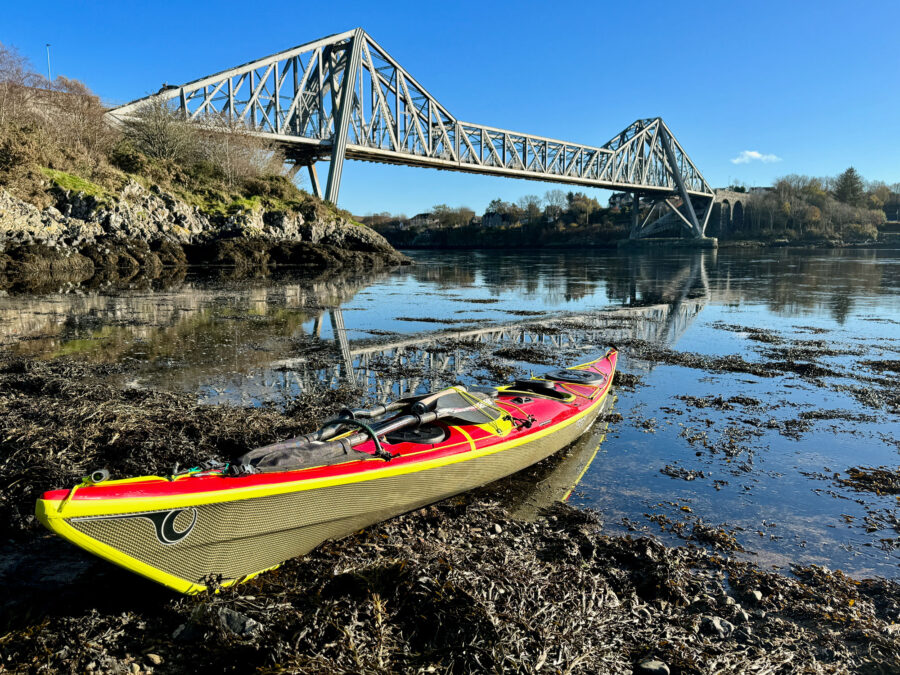
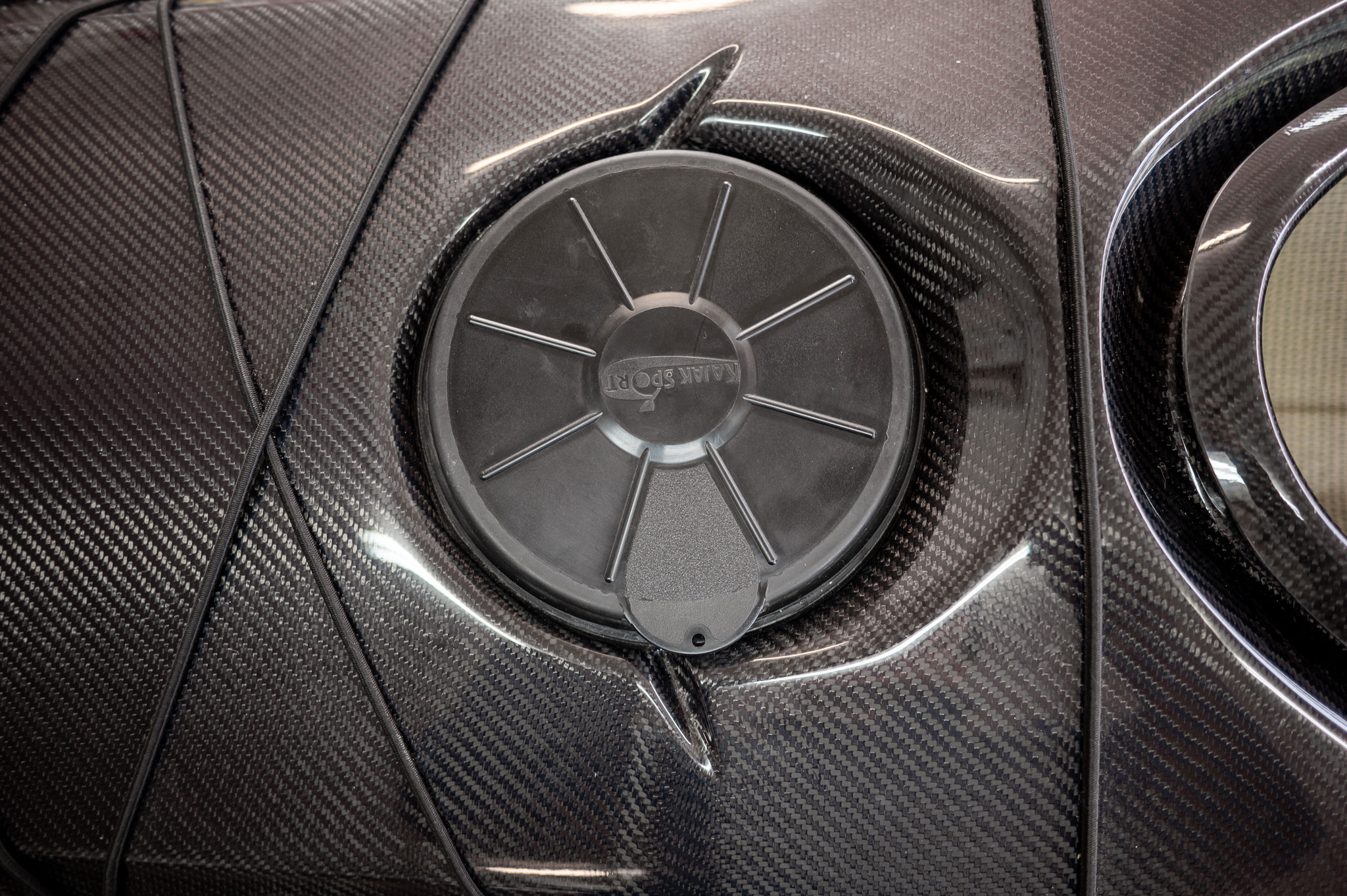
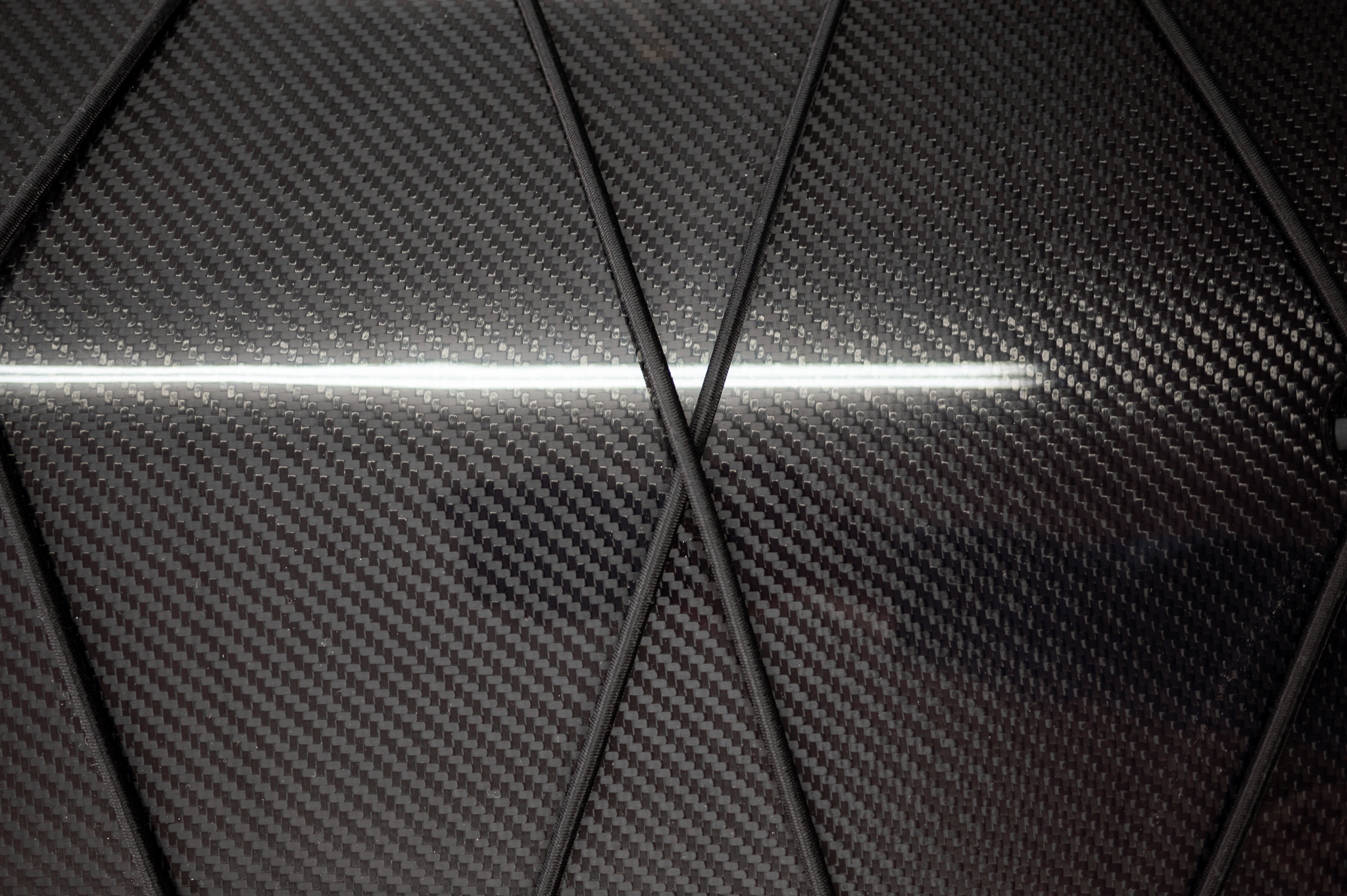
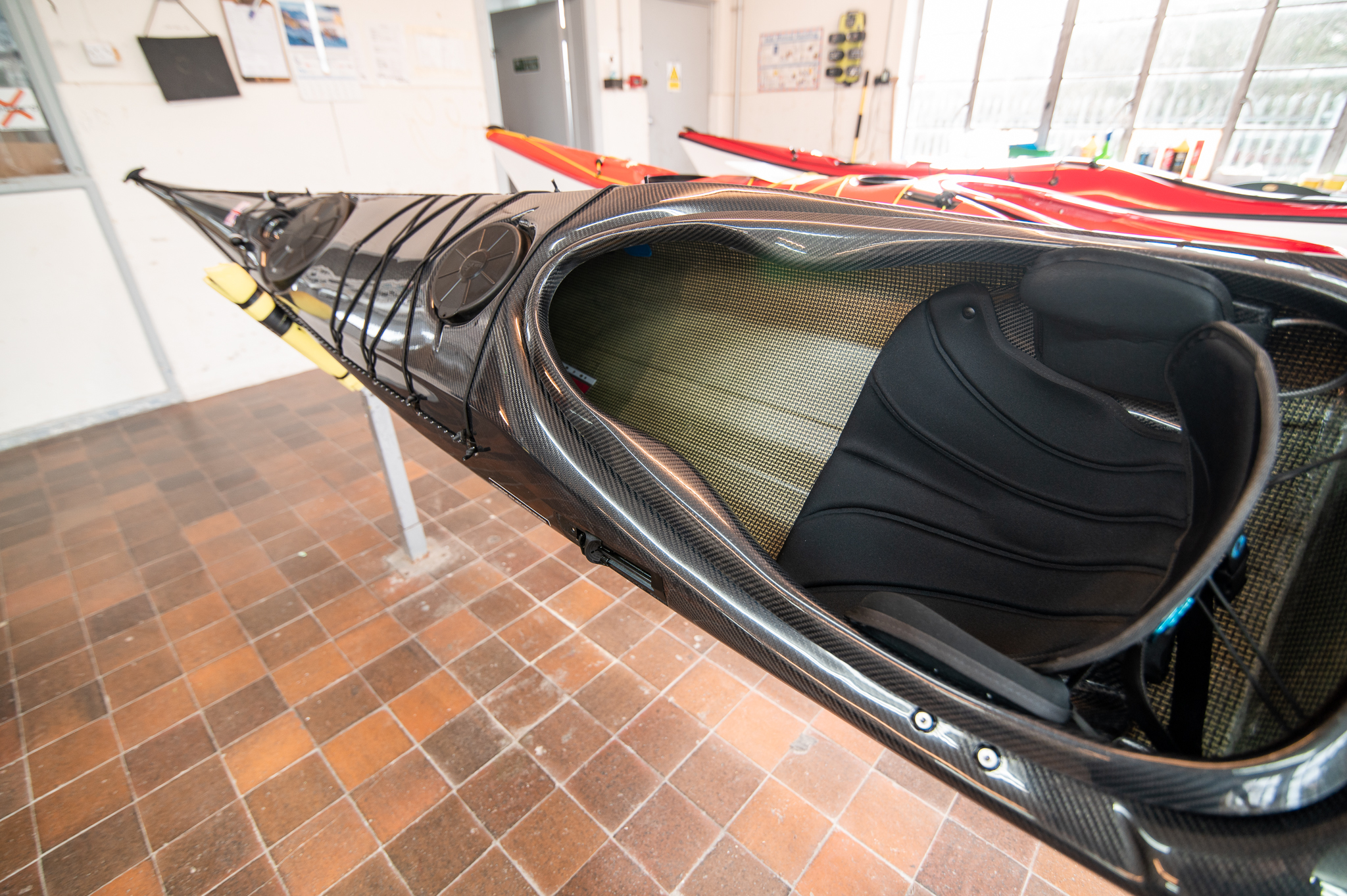
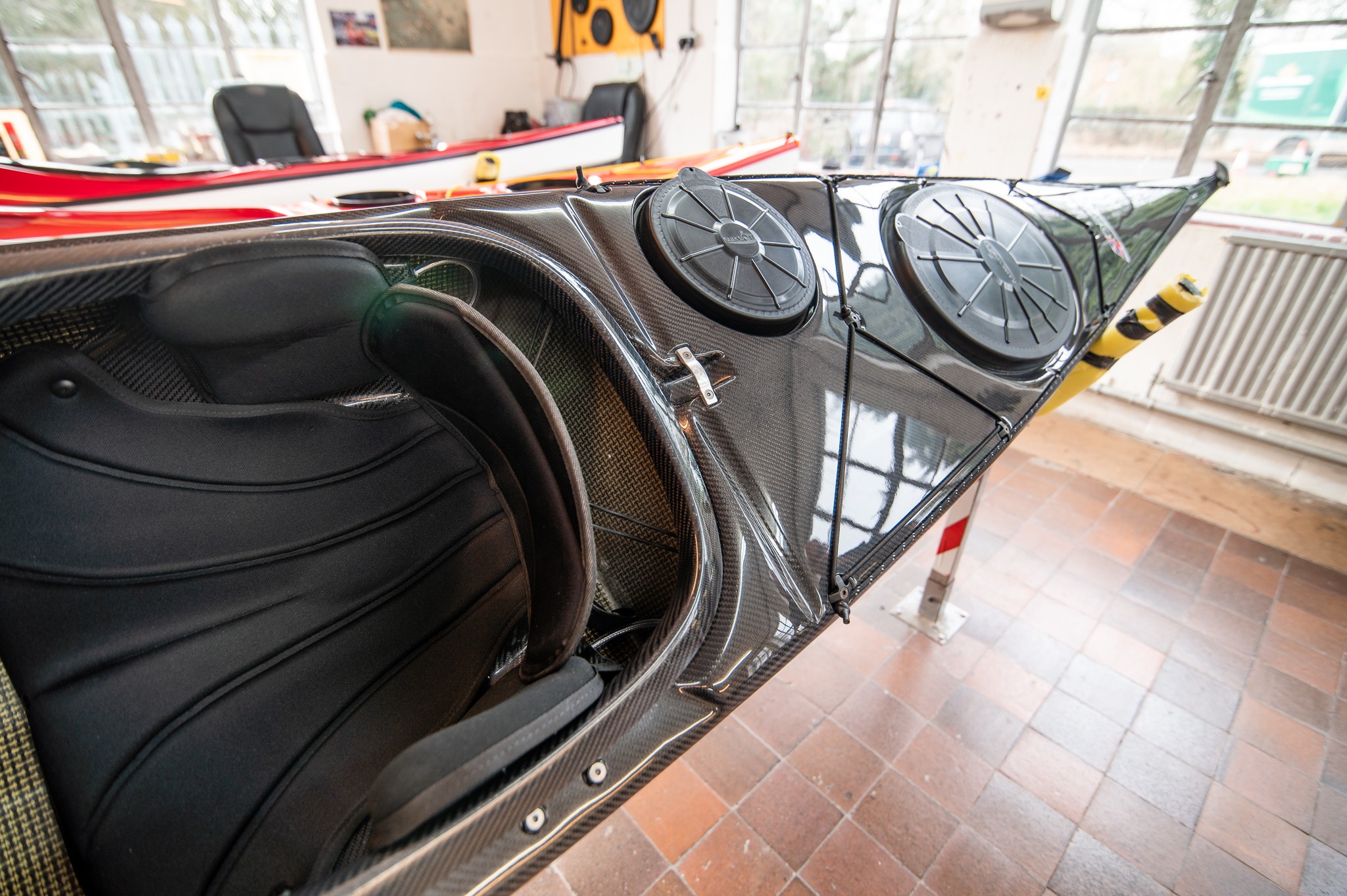
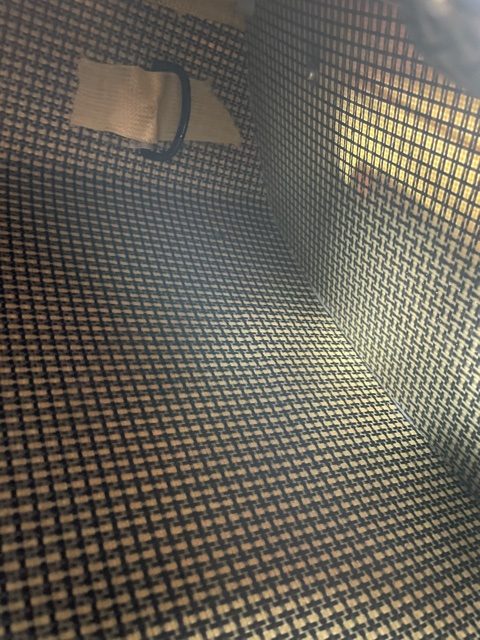
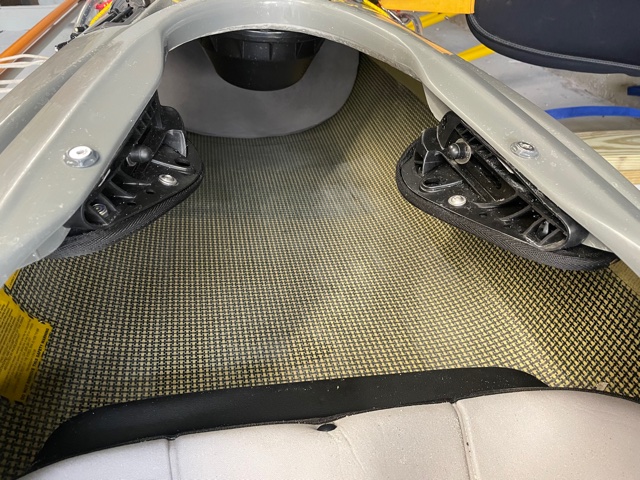
Recently, I saw a Lightweight Kevlar/Carbon Infusion Cetus with Clear Carbon all-round that was utterly exquisite.  From 3 metres away, it looked like any full-carbon kayak, but when I got close, I was “gobstruck” (for our international friends, this means ‘overwhelmed with wonder, surprise, or shock’), speechless, and rendered immobile. I poured over the deck, stroking its form and looking for a blemish that was never found.

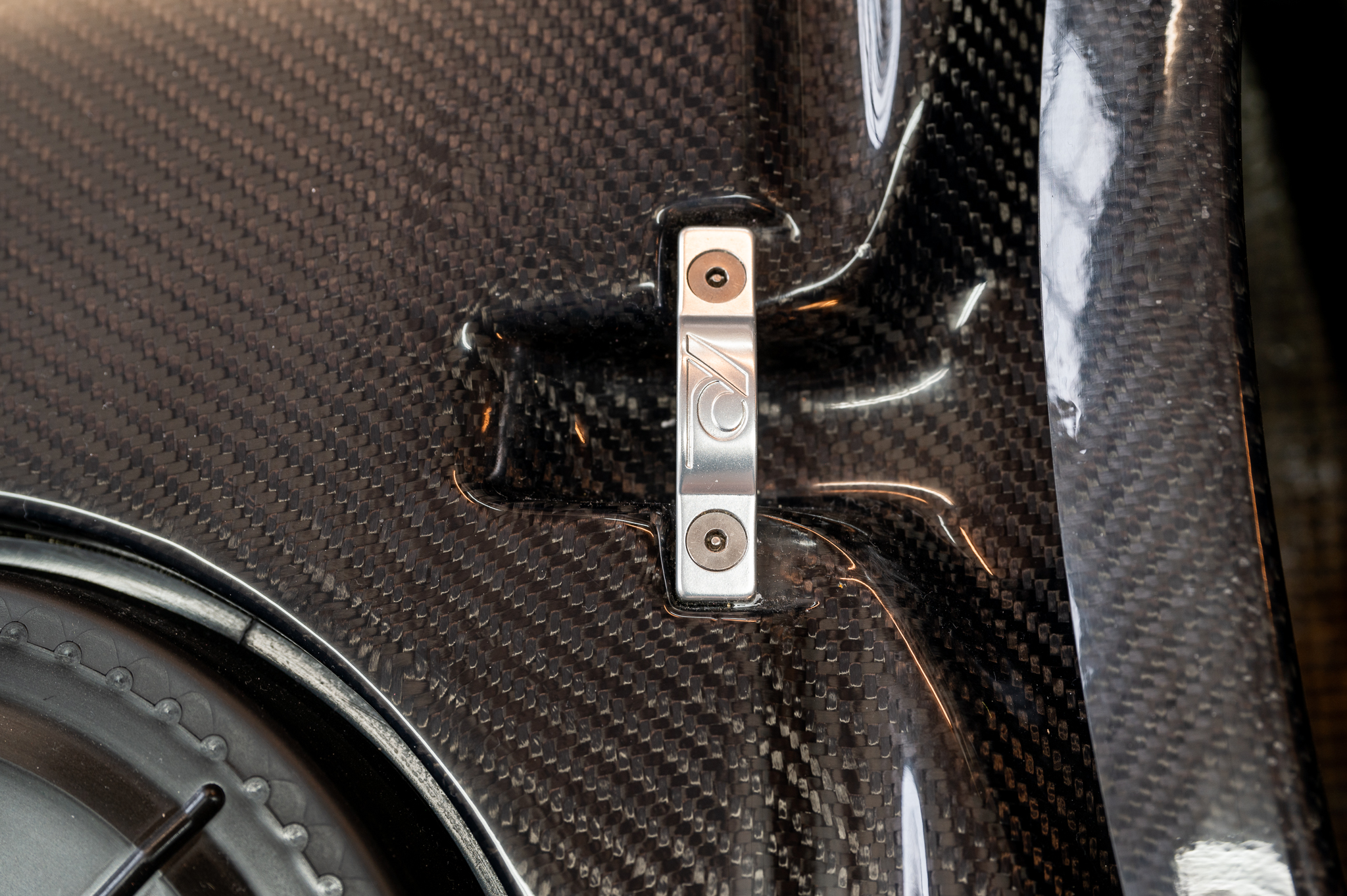
For some time, I have been proud of our team’s skill in laying down a full layer of carbon in the hull without weave distortion and folding. The painting of bows and sterns in a solid colour to disguise the cutting of fabric necessary for low-skill manufacture are not the P&H way. To see the deck laid down without such painted segments around its many complex features is an entirely different order of difficulty! There was no fabric weave distortion or any cuts around the RDFs (Recessed Deck Fittings, which hold the decklines, elastics, and handles) or hatches. Around the heavily contoured compass, sail mast foot, and split-paddle shaft recesses there was one little cut which had to be pointed out to me, but I still couldn’t see it. It was invisible.

Steven Pericleous, you are a master craftsman, but so are many more in our team whose skills aren’t so easy to see.

Graham Mackereth

Subject: Thank you

We were humbled to receive the below email from one of our customers recently. Stories like David’s mean the world to us, and we wanted to share it with you in case any of the ideas, or just David’s spirit, could help or inspire you in some way:

“Dear Graham,

I trust this note finds you well and thriving amidst this challenging world with COVID-19 and all.

My name is David Mercer, a longtime student of John Carmody.   If the name doesn’t connect, maybe some of the alterations I’ve requested on my various boats from P&H will: performance seat with the Aries type cockpit, not installing the seat to allow for positioning the seat laterally to allow for the 25 pound lighter weight difference on my left side and most recently… the incorporation of d-rings in the front and day hatches of my new boats to allow for connecting ballast far to the port side. 

I’m writing with a much belated thank you!  And, in the process, want  to convey what a huge impact your accommodating my specific needs and paddling P&H boats have made in the quality of my life.

I lost my left leg to cancer more than 43 years ago at age 27.  I was very active and athletic before the surgery and was driven to not let the amputation slow me down.  Prosthetics were not as adaptable and innovative during those times.   I tended to sports where the mobility was provided.  I actively pursued downhill skiing and was addicted to speed.  The same with water skiing.  I was riding a bike during the summer without my prosthetic but I had been in search of another sport that wouldn’t rely so much on my lower  body.  

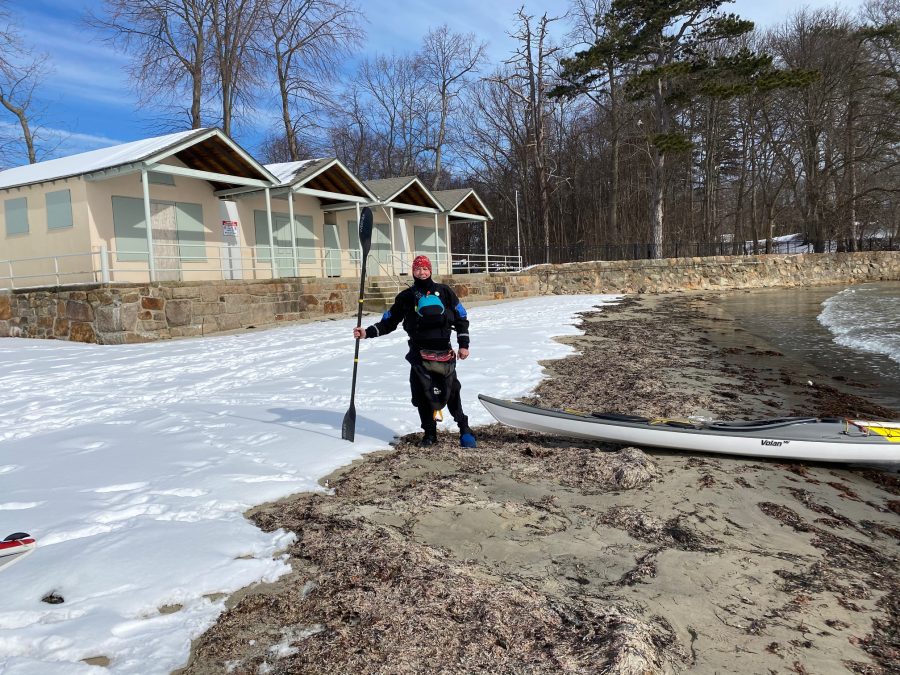
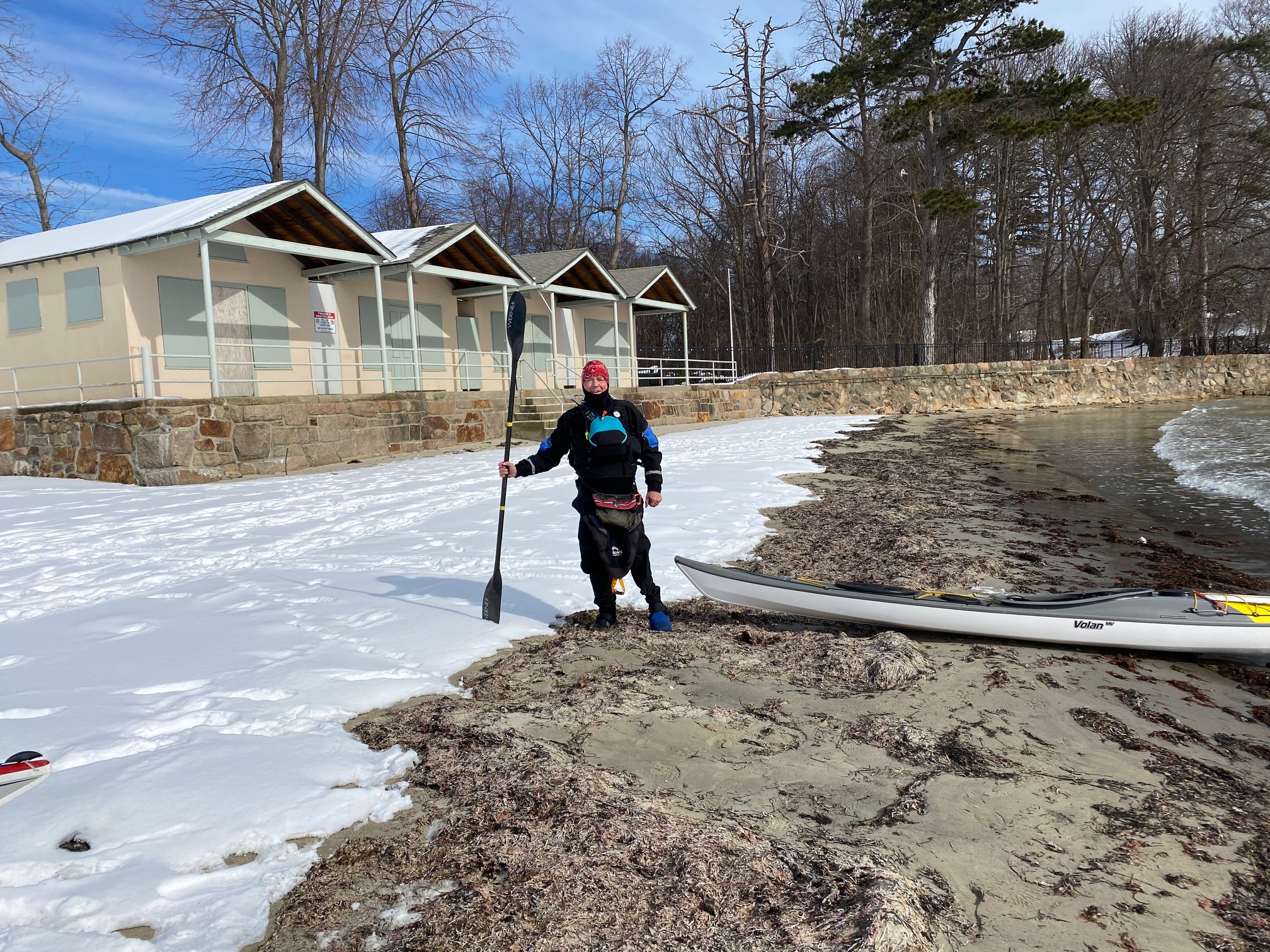
David at West Beach for a winter launch

My introduction to sea kayaking was quite by accident some ten years ago.  My wife and I had rented a cabin on a small pond in New Hampshire that had two of what I now understand to be plastic sea kayaks filled with leaves under the cabin.    I paddled every opportunity I could grab that week, while taking care not to ignore my wife.  I was like a fish taking the bait.  The hook was set.  

Returning home, it didn’t take long to find a rental for the remainder of the summer.  I spent that summer on the numerous flatwater lakes in our area.  I was getting the added exercise and loved paddling.   It was on a lake paddle that I bumped into a group of kayakers.  Conversation ensued and I was convinced to join them on a sea journey.   I had no idea what I was getting into.   That trip convinced me I needed a drysuit and possible lessons or coaching.  Through a twist of fate the drysuit connection happened to be a P&H paddler – Suz Hutchinson.    Suz introduced me to P&H boats and John.

John has been an extraordinary coach and mentor guiding my development and progression in the sport.   I quickly realized how much I didn’t know and actively pursued a course to increase my knowledge and skills.  

I swear by the Swede form design of the P&H brand.   It has been an extraordinarily stable platform as I deal with the significant lateral weight differential.   Additionally, once having been exposed to the more aggressive thigh braces and being able to adjust them individually I have been able to more easily adjust for the mass difference from my natural leg to the prosthetic side.  This has significantly benefited me by being able to develop a reliable roll.   The d-rings allow me to come close to a neutral position without the need for excessive leaning by adding weight to the front and day hatch without concern that they will move around. 

P&H became a socially acceptable addiction.  My current collection includes Carbon-infused versions of: Cetus MV, Aries 155, and Volan MV.  I also abuse a Delphin 155.   My son-in-law paddles a  Cetus MV and I just ordered a Virgo for family use.   

Kayaking has become a healthy obsession and one for which I am forever grateful.  I was on the water 106 days last year while maintaining a fulltime work schedule.  The opportunities afforded me by the sport,  impacting my physical conditioning, mental health and attitude are immeasurable!   I firmly believe that the tangible returns of enjoying international paddling journeys, paddling with our local club, pursuing individual skill and leadership knowledge through the BCU system, rock-play and surfing would not have been available had I not had the good fortune of being introduced to P&H boats.  I am a grateful and committed customer.  

Deepest thanks Graham for all your help along the way!

David Mercer”

Thank you, David!

If you have any custom requests that’ll help you get on the water more comfortably, please do get in touch: https://www.phseakayaks.com/contact.php

Cold Water Safety Test

After receiving a few questions from fellow paddlers about our survival time in cold water during a distress situation, we wanted to test things out. We often see other paddlers go on the water, poorly dressed and without even a clue that cold water can kill someone within minutes. In our team everybody is aware of that, and so the team members are dressed for immersion. We never had problems, or even cold, when doing exercises during the cold winter periods. During training we do a few rescues, get back in our crafts and paddle further on. That way, we keep up our body temperature. But, we wanted to know what to expect in an emergency situation when we are unable to get back in our craft, or worse, when losing our craft. We don’t want to know what happens when we are well rested, when our undergarment is perfectly dry (no sweat) and when we just begin our training. No, we want to know what will happen when we are tired (or exhausted), when our undergarment is wet from sweating, and when the water temperature is as low as possible in our area. So, we paddled a fast-paced tour (as fast as possible) to sweat a lot, lose energy and get tired. We succeeded in that when entering the safety of the harbor to commence the test. The water temperature is 2°C, which is the coldest the water gets in our area. Safety precautions were taken in advance and the Coast Guard was aware of our test. In the video you will see the stage we went through, from entering the water until we got ourselves in the first stage of hypothermia. After thirty minutes we experienced uncontrolled shivering which was the signal to get out of the water. Of course, it would be possible a lot longer in cold water, in case of a real emergency. But we don’t want to take risks, our goal was already achieved. We were able to conduct a cold-water safety test that was as realistic as possible. That way we can share our knowledge with the rest of the team, and with other paddlers. Our main message; don’t be afraid of going out when it’s (very) cold, but be well prepared. Wear a good quality PFD and good clothing that protects you against the cold water (dress for immersion), field and swim test your gear on a regular base in the conditions you paddle in and last but not least, imagine the worst that can happen and prepare for it! We sincerely hope that our test can help you get a better understanding of cold water safety. We also advise you to have a look at the website of the NATIONAL CENTER FOR COLD WATER SAFETY. You can find a lot of good tips, together with real life stories. Paddle safe and take care of each other!!


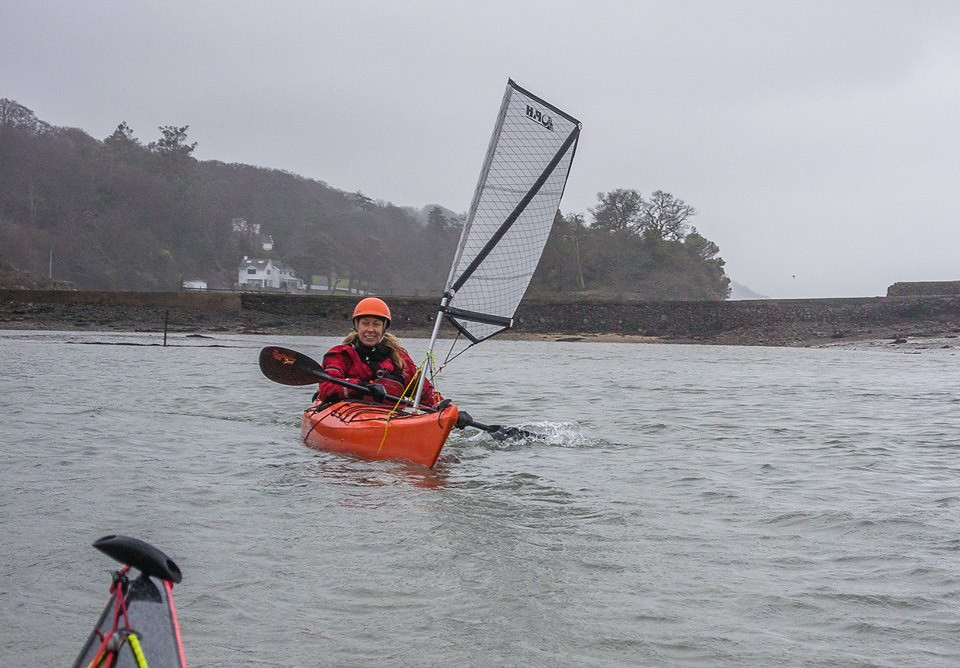
Sea Kayak Sailing – Enhancing The Seafaring Experience

26274434565_751a40d531_z

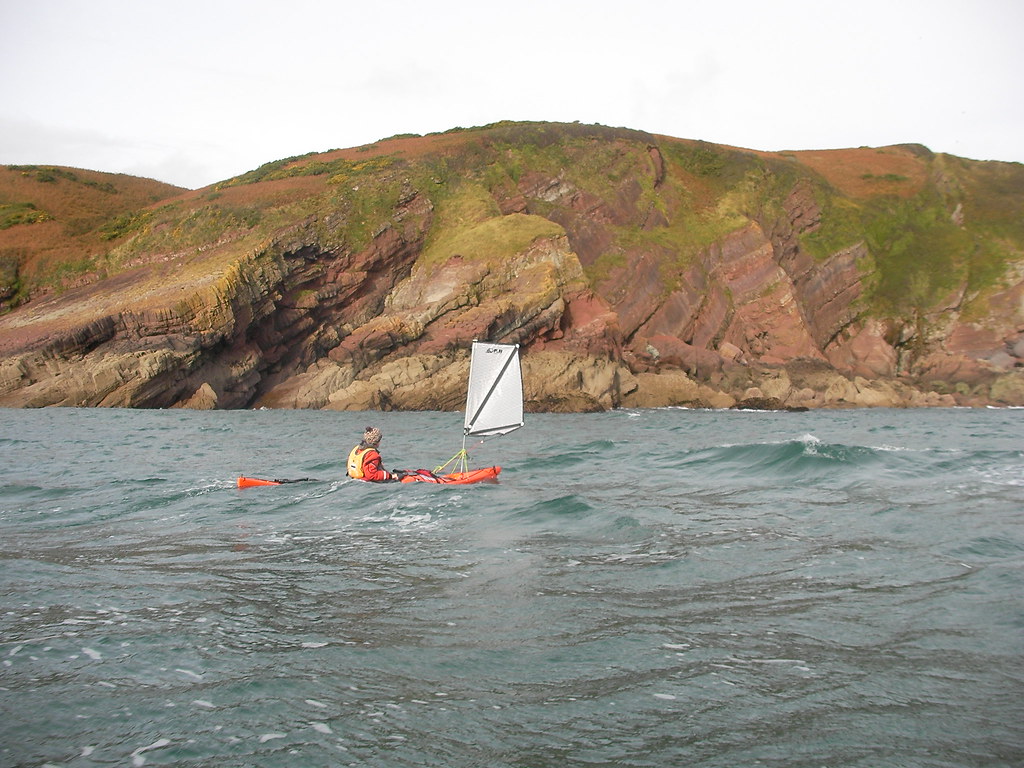
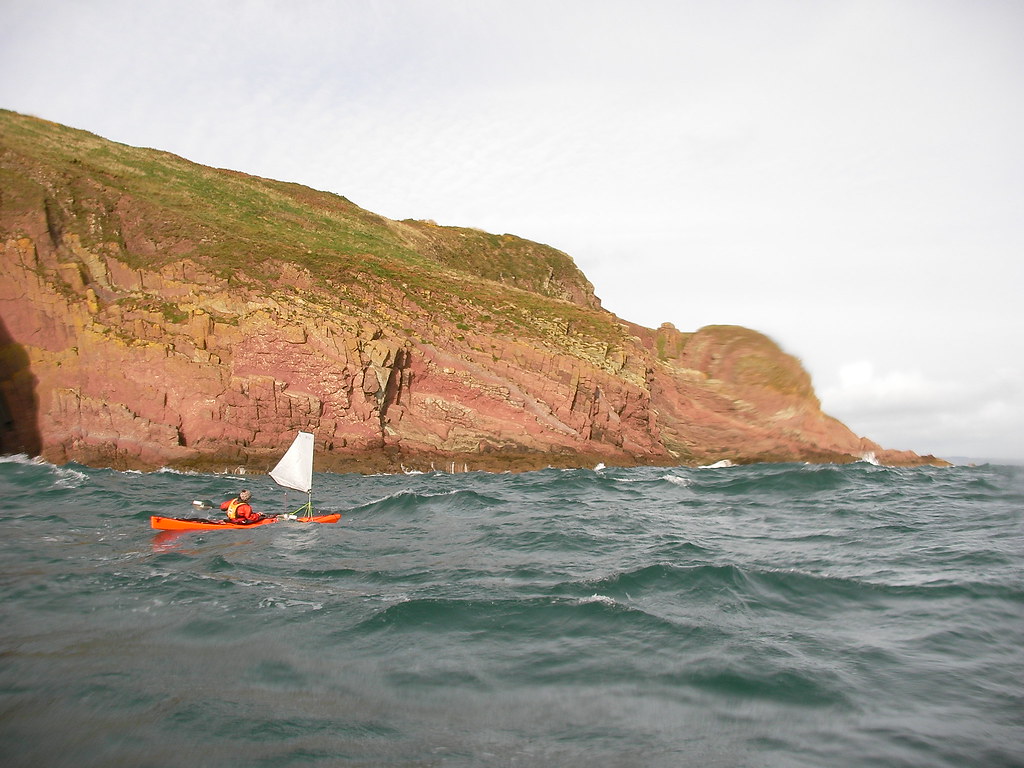
South Pembrokeshire

12901541_10101640731183720_8565949215552622721_o

West Coast of Ireland

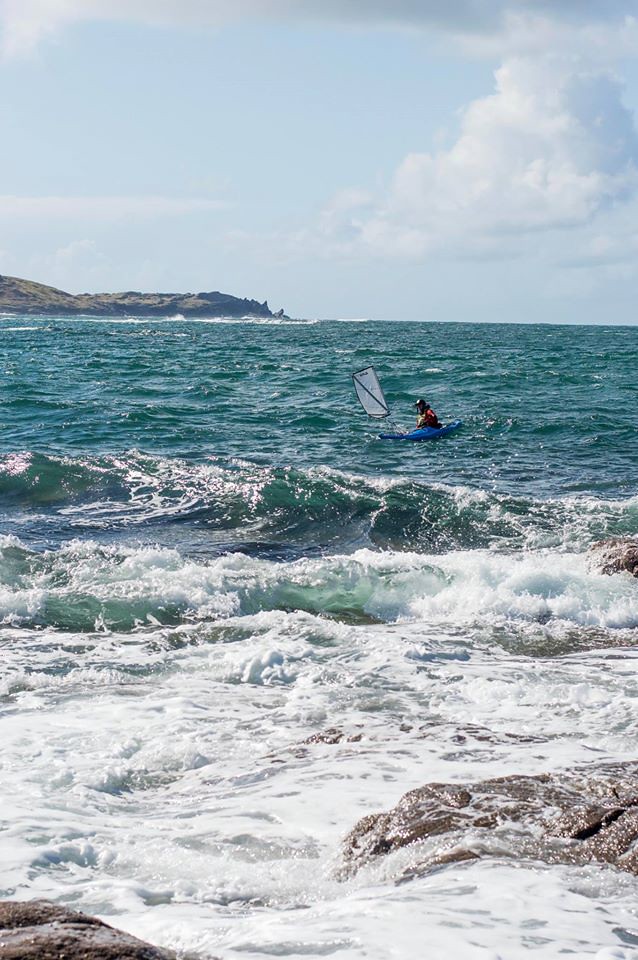
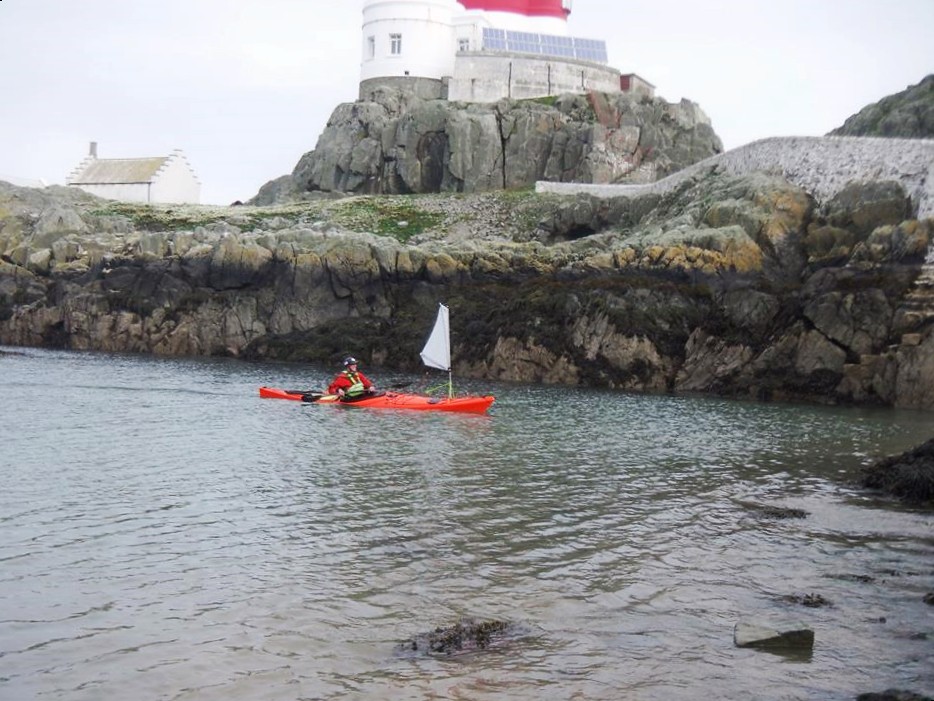
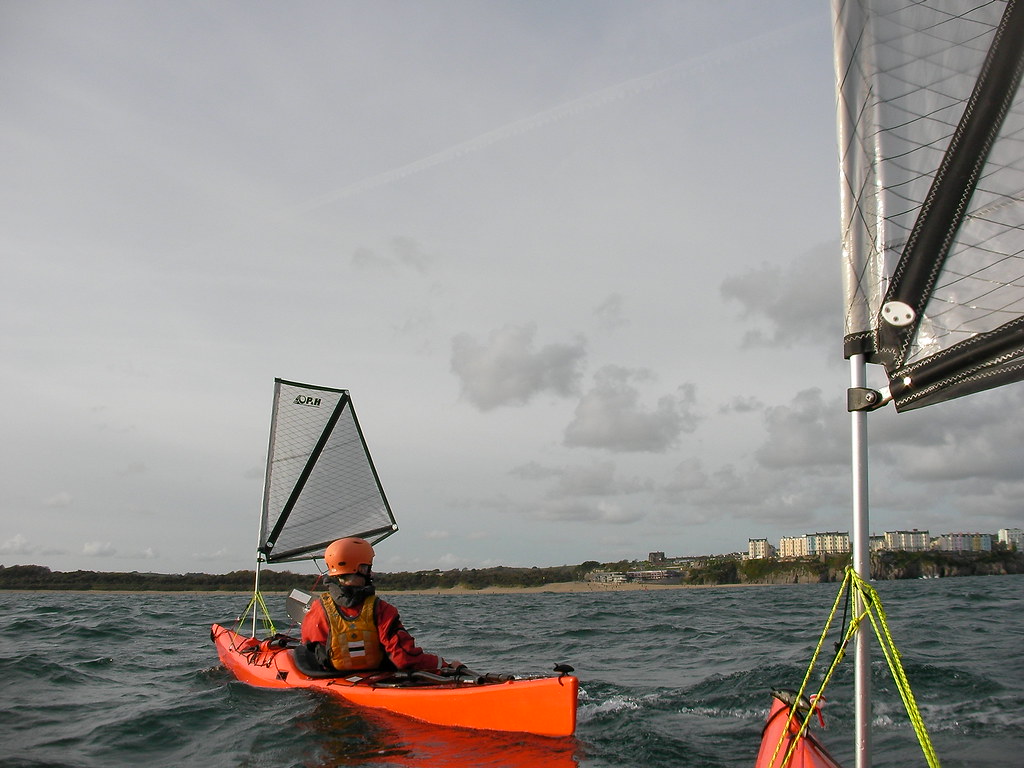
Sea kayaks enable their users to explore and play on life-affirming journeys.  Part of the challenge is to safely utilise the currents, swell and winds.  The direct energy of the wind has been largely unused by most modern sea kayakers.  In recent decades sailing rigs have become far more manageable to use on sea kayaks and their distribution/availability outside of Australia and New Zealand is only now becoming a reality.  This exciting development is opening up brand new sea kayaking opportunities and challenges for all.  From downwind coastal runs to traversing huge exposed island chains, like the Aleutians, sea kayak sailing is putting bigger smiles on people’s faces and aiding in epic journeys.

SANY0126

Tropical beach on Caldey Island

12744703_10153840162743950_103381946296525824_n

Windy day at Cadnant Bay Menai Straits

History

Kayak sailing was invented in 1865 when John “Rob Roy” MacGregor designed and built a sailing kayak for his 1,000 mile journey along the inland waterways of Europe.  Those early Rob Roy Kayaks subsequently evolved into the huge variety of kayak types that we know today.  Sail equipped kayaks remained popular into the 1930s.  In 1934, Alastair Dunnett and Seumas Adam (“The Canoe Boys”) used their sail equipped Lochaber kayaks on an impressive and pioneering journey to explore the west coast of Scotland.

Kayak sailing also became popular in continental Europe during the 1920s and 1930s.  In 1928 Franz Romer kayak sailed across the Atlantic from Lisbon to Puerto Rico.  He attempted to continue his journey onwards to New York but went missing, presumably killed, in a hurricane.  Oskar Speck’s similarly epic seven year kayak sailing trip from Germany to Australia should have been widely celebrated as an amazing achievement.  However, arriving at his destination in September 1939 he was interned for the duration of the Second World War.

Kayak sailing subsequently went out of fashion in Europe.  Towards the end of the twentieth century sails were beginning to be developed for use on modern sea kayaks by Australia and New Zealand-based kayakers.  Sea kayak sailing is now commonplace in these countries and is beginning to take hold in Europe and North America.

12112005_10207644408531019_7116226800410281658_n

Skerries Lighthouse, Anglesey

12932645_10101640730974140_4019521894634724354_n

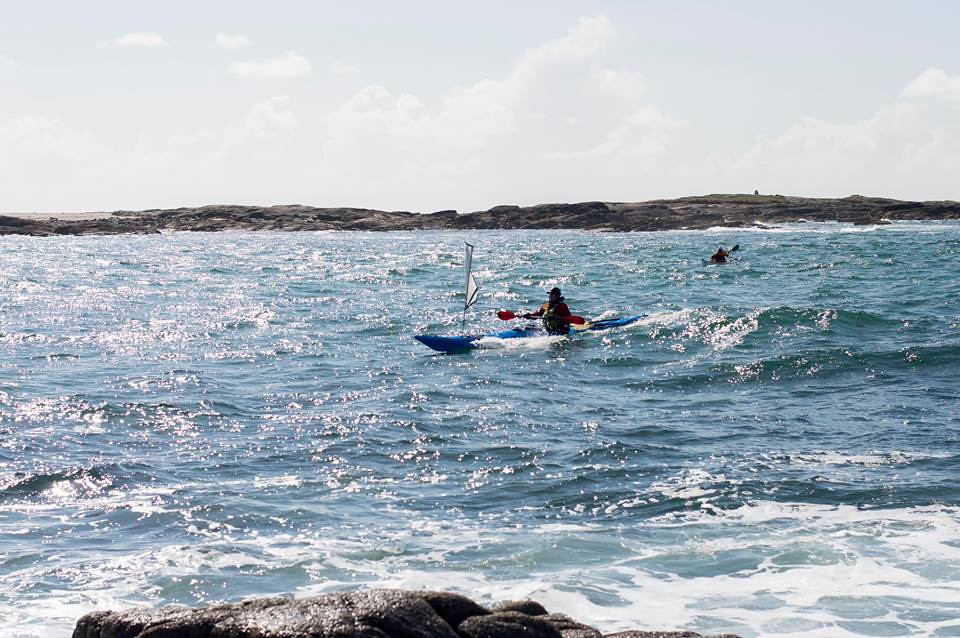
Surfing in Ireland

SANY0043

Surfing near Stackpole

Why sea kayak sail?

  • Speed/endurance/fun

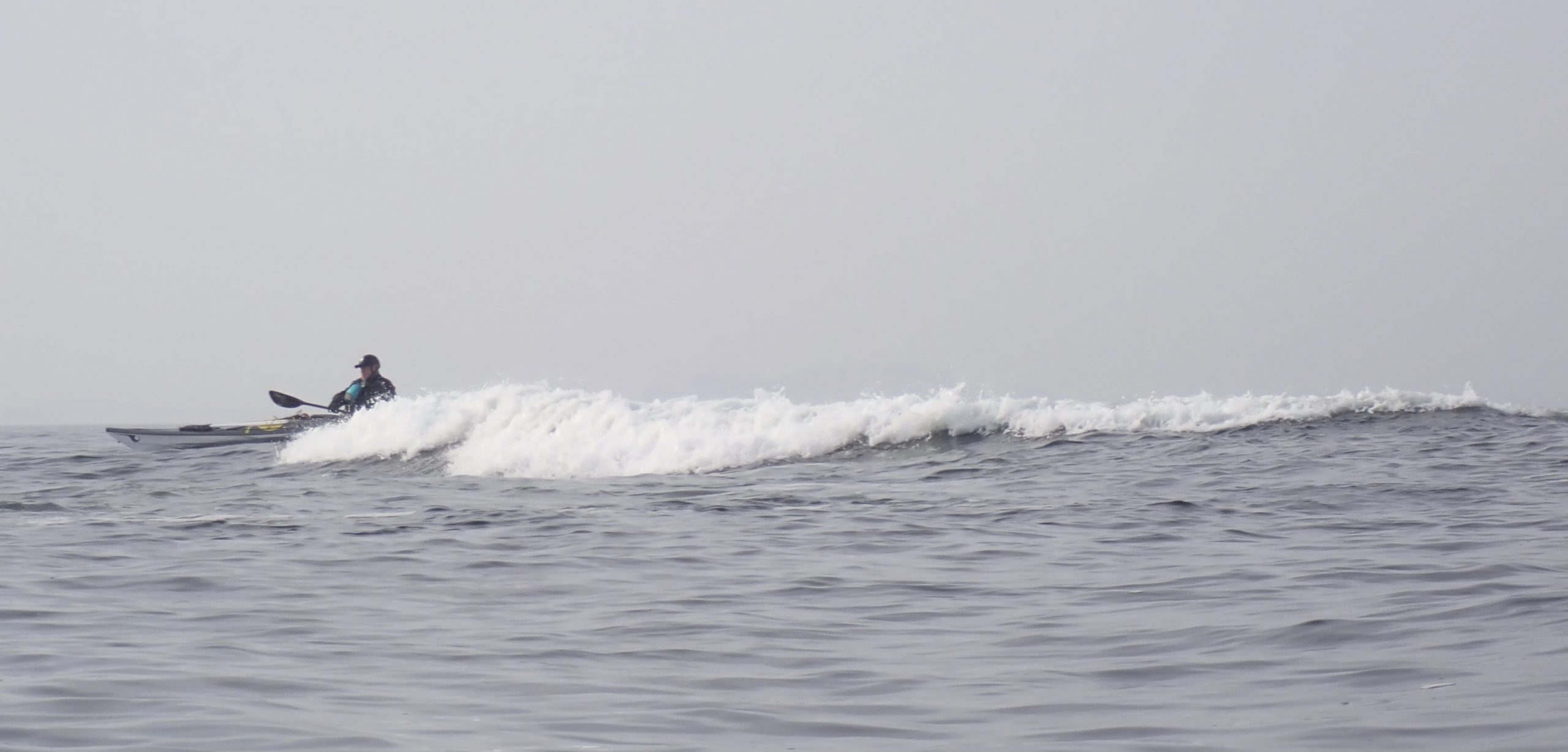
Maintaining the top displacement hull speed is easier when sea kayak sailing.  It is also much easier to get your kayak planing in swell and tidal rapids.  This is particularly useful when attempting to catch less steep waves.  In essence you will catch more waves, considerably increasing your speed and range.  Average speeds of 7 knots with planing top speed runs in excess of 10 knots are not unusual in conditions where it would be considerably more difficult for conventional sea kayaks to plane and maintain average speeds of more than 3-4 knots.

When the waves become too steep it is best to stow the sail away as it will no longer enhance the experience and will, most likely, become a liability.

  • Enhanced safety

The sail appears triangular and conspicuous from afar and/or in overhead rolling swell.

The exposure of paddling along coastlines with less frequent safe landings is reduced if the wind and sail combine to add to the kayaks propulsion.

SANY0112

Caldey Island tiderace

Getting into sea kayak sailing

Equipment

The main airfoil sail available in Europe is the Flat Earth Kayak Sails range of airfoils.  They are designed and manufactured in Australia by Mick MacRobb.  Other airfoil sails are being manufactured for sea kayaks but they are far less common in Europe.

Sea kayak manufacturers

Many composite sea kayaks will need strengthening in order to accommodate a sail mast. You can assess this by pressing down on the deck near the compass recess and gauging whether there is much flexibility in the deck and hull.  Most kayak companies will strengthen your kayak by special order. Plastic kayaks tend to be more robust in taking a sail mast.

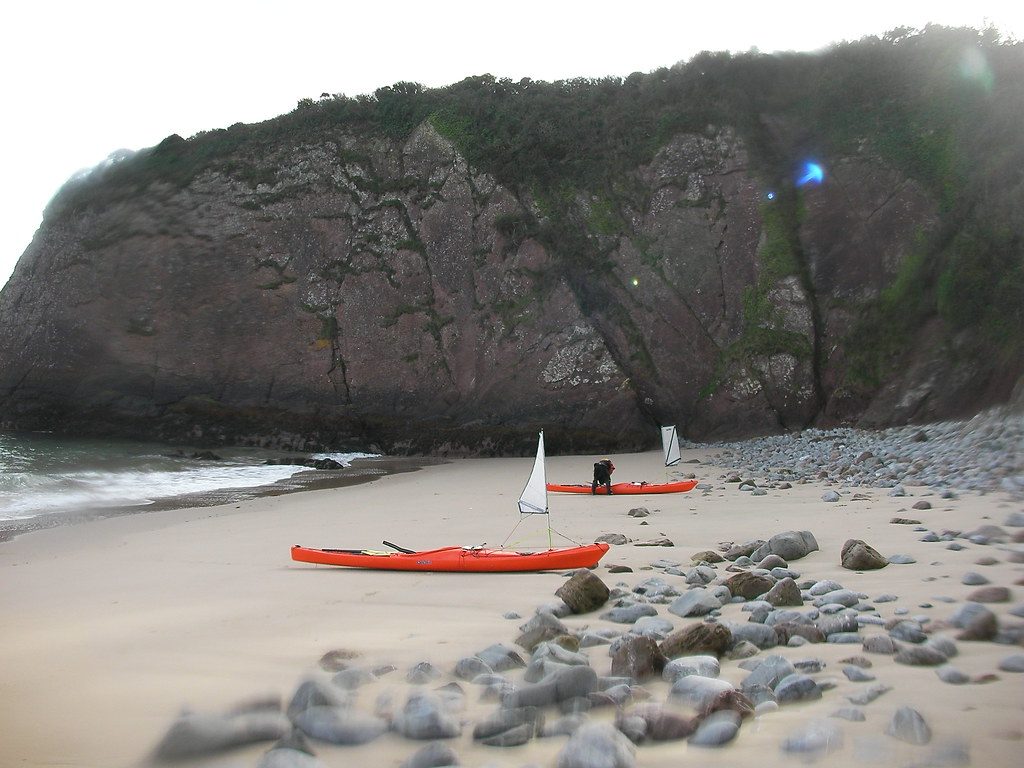
Since 2012, P&H kayaks have produced all of their composite kayaks with enough strength to accommodate a sail mast.  Their plastic Scorpio MKII range of sea kayaks has been designed with sailing in mind. It easily accommodates a Flat Earth Sail and handles superbly well when sailed.

Have a go/purchase

Scotland – Karitec are the main UK distributor of Flat Earth Kayak Sails and have a range of demo boats to try out under sail.

http://www.karitek.co.uk/

England – P&H have demo kayaks fitted with sails and attend many sea kayak symposiums.

http://www.phseakayaks.com/

Wales – Sea Kayaking Wales (SKW) are based on Anglesey and have a range of P&H sea kayaks and Flat Earth Kayak Sails to try out.  SKW also run sea kayaking (including sailing) courses in Ceredigion, Pembrokeshire, Llŷn and the Gower.  Flat Earth Sails are available to purchase from SKW.

https://seakayakingwales.com/

More Information

http://seakayakphoto.blogspot.co.uk/ – An excellent blog written by, Douglas Wilcox, one of the most enthusiastic proponents of sea kayak sailing in Europe.

http://www.flatearthkayaksails.com/ – The most popular airfoil sail in the UK at present.

SANY0138

Tenby

Geth

www.seakayakingwales.com

Page 1 of 2

Powered by WordPress & Theme by Anders Norén